
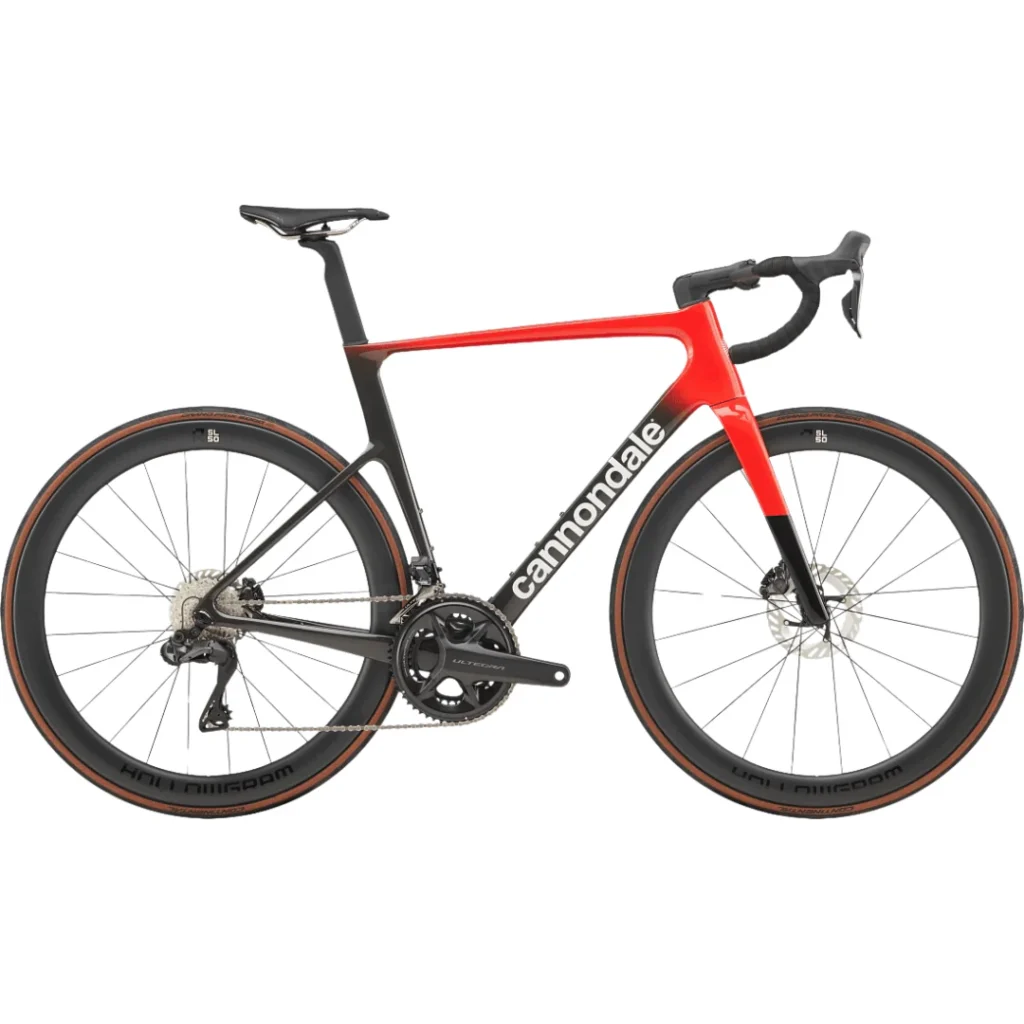
The Ultimate Guide to Cannondale Mountain Bike: Exploring Models, Features, and Rider Insights
If you’re passionate about hitting the trails, conquering rugged terrain, or simply enjoying the thrill of off-road cycling, a Cannondale mountain bike could be your perfect companion. Known for their innovative designs and high-performance builds, these bikes have carved a niche in the cycling world. In this comprehensive guide, we’ll dive deep into what makes a Cannondale mountain bike stand out, from its rich history to the latest models, key technologies, and practical advice for buyers. Whether you’re a beginner looking for your first ride or an experienced rider seeking an upgrade, this post will help you navigate the options and find the right fit.
A Brief History of Cannondale Bicycles
Cannondale’s journey began in 1971, founded by Joe Montgomery and Murdock MacGregor in Wilton, Connecticut. Initially, the company focused on outdoor gear like bike trailers and camping equipment, but it wasn’t long before they shifted to bicycles. By 1983, Cannondale introduced its first aluminum-frame bike, the ST-500 touring model, revolutionizing the industry with lighter, more responsive frames. This move away from traditional steel frames set the stage for their dominance in performance cycling.
In 1984, Cannondale entered the mountain bike scene with the SM-500 All-Terrain Bicycle, featuring oversized aluminum tubing for enhanced strength and reduced weight. Over the decades, the brand has pushed boundaries with innovations like the iconic Lefty single-sided fork and advanced carbon fiber constructions. Today, owned by Pon Holdings, Cannondale continues to blend cutting-edge technology with rider-focused designs, making their mountain bikes a favorite among enthusiasts worldwide.
This evolution reflects Cannondale’s commitment to “making bikes that just work better,” a philosophy that’s evident in every Cannondale mountain bike on the market.
Understanding the Different Types of Cannondale Mountain Bikes
Cannondale offers a diverse lineup tailored to various riding styles. Whether you prefer smooth cross-country paths or adrenaline-pumping downhill runs, there’s a Cannondale mountain bike designed for it. Let’s break down the main categories based on terrain and rider preferences.
Trail Bikes: Versatile All-Rounders
Trail bikes are the go-to for most riders, offering a balance of efficiency and fun. A Cannondale mountain bike in this category, like the Habit series, excels on mixed terrain with mid-travel suspension (120-140mm) that handles climbs and descents equally well. These bikes often feature aluminum or carbon frames, 27.5″ or 29″ wheels for stability, and components that prioritize durability.
For example, the Cannondale Habit is praised for its stiff yet flexible frame, making it ideal for cornering on varied trails. Prices start around $1,000 for entry-level models like the Trail series, which use SmartForm aluminum for a lightweight, responsive ride. Higher-end options climb to $3,000+, incorporating better drivetrains and suspension.
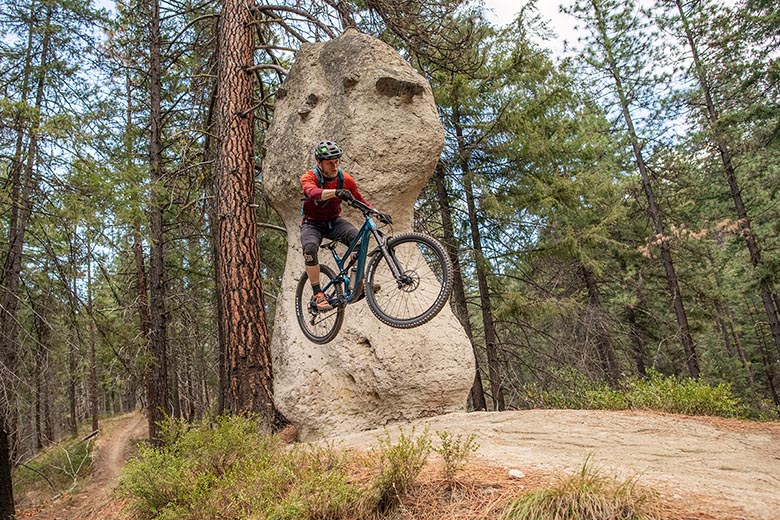
Target riders include those who want one bike for everything—from weekend adventures to light commuting.
Cross-Country (XC) Bikes: Built for Speed and Endurance
If racing or long-distance rides are your thing, a Cannondale mountain bike from the XC lineup, such as the Scalpel, is engineered for efficiency. These bikes feature shorter suspension travel (80-120mm), large 29″ wheels for rolling over obstacles, and lightweight frames—often BallisTec carbon—to minimize fatigue on extended rides.
The Scalpel stands out with its long wheelbase for stable pedaling and lockable forks for uphill sprints. Affordable aluminum versions start at $1,000, while premium carbon models exceed $3,000. Riders love them for their agility in competitions and comfort on marathon trails.
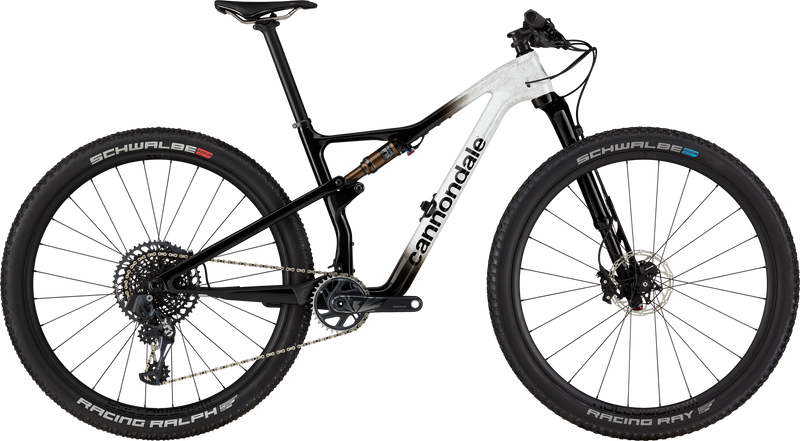
These are perfect for competitive cyclists or those prioritizing speed over extreme descents.
Enduro and All-Mountain Bikes: For Aggressive Terrain
Enduro bikes like the Jekyll are designed for riders who crave downhill thrills but still need to pedal uphill. With 140-180mm of travel, robust frames, and grippy tires, a Cannondale mountain bike in this class handles jumps, drops, and technical sections with ease. The Jekyll, for instance, emphasizes speed on descents while maintaining climbability.
Materials range from durable aluminum to advanced carbon, with wheel sizes optimized for maneuverability. Expect prices from $3,000 upward, reflecting the high-spec components like hydraulic disc brakes and dropper posts.

Ideal for bike park enthusiasts or those tackling steep, rocky mountains.
Downhill and Park Bikes: Extreme Performance
For pure gravity-fed fun, Cannondale’s downhill options feature heavy-duty frames with 180-200mm travel, smaller wheels for quick handling, and reinforced components. These bikes are built for high-speed runs in bike parks or racing circuits, prioritizing control over pedaling efficiency.
While not as versatile as trail models, they’re unmatched for aggressive riding. Pricing aligns with premium builds, often starting at $3,000.
Electric Mountain Bikes (E-MTBs): Power-Assisted Adventures
Cannondale’s e-MTBs, like the Moterra Neo, integrate Bosch or Shimano drive systems for assisted pedaling, allowing riders to cover more ground or tackle tougher climbs. With full suspension and powerful batteries, these bikes extend your range without sacrificing fun.
They’re great for all skill levels, especially those recovering from injuries or exploring farther afield. Prices reflect the tech, typically $3,000+.

Fat Bikes and Other Specialized Options
Though less emphasized, Cannondale has dabbled in fat bikes for snow or sand, with wide tires for flotation. Hardtail variants across categories offer simplicity and affordability for beginners.
Key Features and Innovative Technologies in Cannondale Mountain Bikes
What sets a Cannondale mountain bike apart? It’s the blend of proprietary tech and thoughtful engineering.
- Frames and Materials: SmartForm aluminum provides stiffness and lightness in budget models, while BallisTec carbon offers vibration damping in high-end ones. Steel and titanium appear in niche builds for durability.
- Suspension Systems: From hardtails with front forks to full-suspension setups, travel varies by category. Lockouts enhance efficiency on climbs.
- The Iconic Lefty Fork: This single-sided wonder reduces weight and improves steering precision, a hallmark of many Cannondale mountain bike models.

- Wheel and Tire Options: 29″ for stability, 27.5″ for agility—choose based on your style.
- Drivetrains and Brakes: Shimano or SRAM components ensure smooth shifting, with hydraulic discs for reliable stopping power.
These features make every ride smoother and more enjoyable.
Best Cannondale Mountain Bikes for Beginners
Starting out? Look for user-friendly options like the Cannondale Trail series. The Trail 6 or 8 offers hydraulic brakes, basic suspension, and aluminum frames for under $1,500—ideal for light trails and building skills. The Habit HT 2 combines hardtail simplicity with trail capability, earning praise as a fuss-free entry point.
Avoid complex full-suspension models initially; focus on fit and comfort.
Reviews and Pros/Cons of Cannondale Mountain Bikes
Recent reviews from 2023-2025 highlight Cannondale’s strengths. The Habit is lauded for its playful handling and value, though some note it’s pricier per spec. The Scalpel excels in XC racing, with riders appreciating its efficiency.
Pros:
- Innovative designs like the Lefty fork.
- Durable, lightweight frames.
- Versatile for various terrains.
Cons:
- Higher cost compared to some competitors.
- Parts can be proprietary, complicating repairs.
Overall, users rate Cannondale highly for quality and performance.
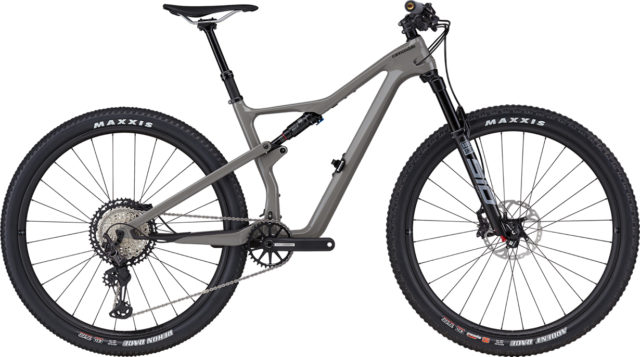
Cannondale Mountain Bike Buying Guide
When shopping for a Cannondale mountain bike, consider:
- Budget: Entry-level $1,000-$1,500; premium $3,000+.
- Riding Style: Match to category (e.g., XC for speed).
- Fit: Test ride for comfort; sizes vary.
- Where to Buy: Official site, REI, or local shops.
- Maintenance: Factor in warranties and service.
Think about your local trails—hardtail for smooth paths, full-suspension for rough ones.
Final Thoughts on Choosing a Cannondale Mountain Bike
A Cannondale mountain bike represents innovation, reliability, and pure riding joy. With options for every level and style, it’s easy to see why they’ve endured for over 50 years. Invest in one, and you’ll unlock endless adventures. Ready to hit the trails? Check out Cannondale’s latest lineup and find your match today.