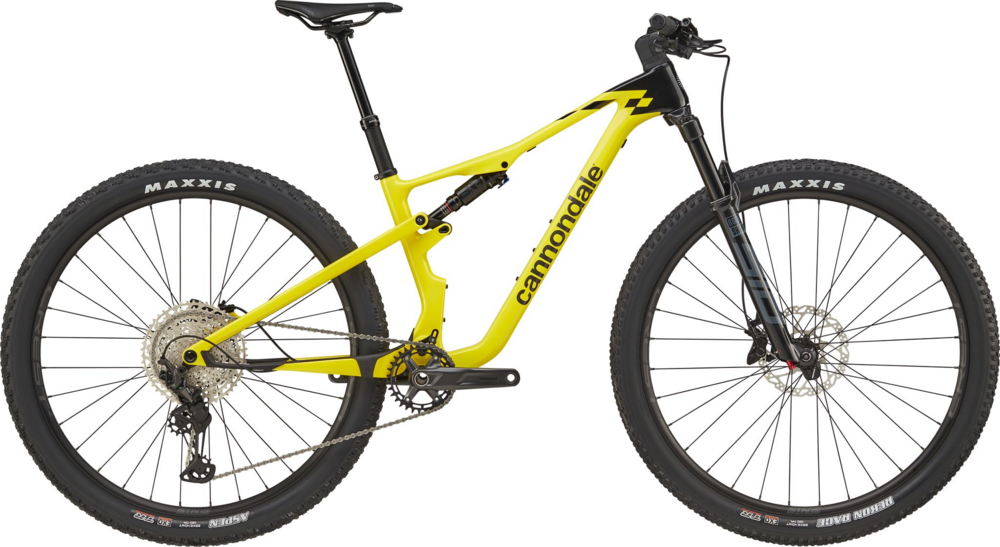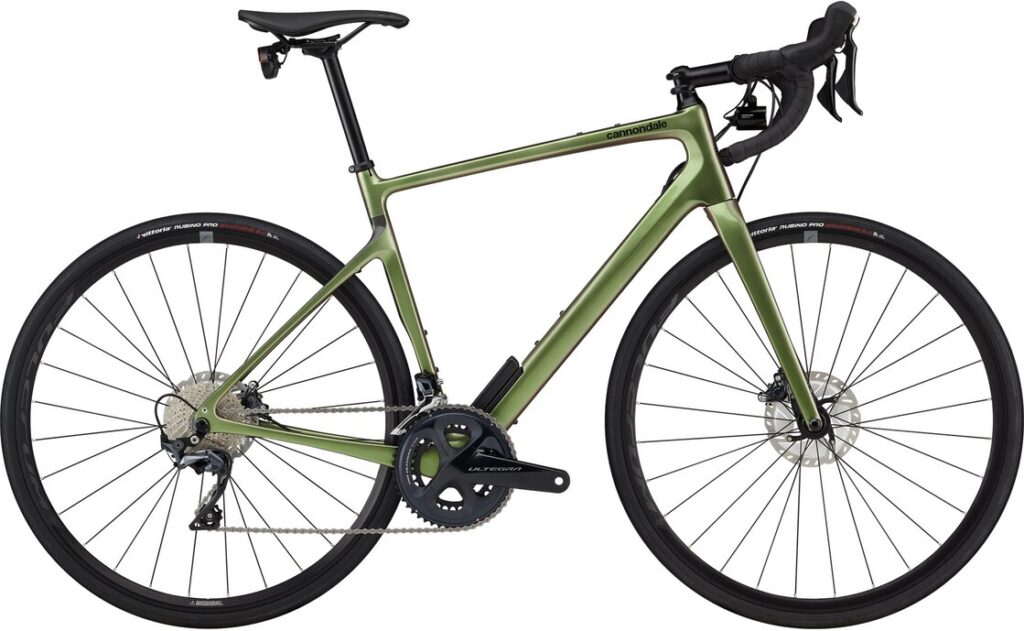
Cannondale Scalpel: Your Ultimate Guide to the High-Performance Cross-Country Mountain Bike
In the world of mountain biking, few names evoke as much excitement and respect as Cannondale. Known for pushing the boundaries of innovation, this brand has consistently delivered bikes that blend cutting-edge technology with real-world performance. Among their standout offerings is the Cannondale Scalpel, a model that’s become synonymous with speed, agility, and dominance on cross-country trails. Whether you’re a seasoned racer chasing podium finishes or an enthusiast looking to conquer challenging terrains, this bike promises an exhilarating ride. In this comprehensive guide, we’ll dive deep into what makes this machine a favorite among riders, exploring its history, features, models, and more.
A Brief History of the Cannondale Scalpel
The story of the Cannondale Scalpel begins in the early 2000s when Cannondale first introduced it as a revolutionary full-suspension cross-country bike. Designed to meet the demands of competitive XC racing, it quickly gained a reputation for its lightweight frame and efficient suspension system. Over the years, the model has evolved significantly, incorporating feedback from professional riders and advancements in materials and geometry.
By the mid-2010s, updates focused on enhancing its climbing prowess and descending stability, making it a staple in World Cup circuits. Today, the latest iterations draw from the expertise of the Cannondale Factory Racing team, who have secured multiple championships aboard these bikes. This racing pedigree ensures that every version is fine-tuned for maximum efficiency, helping riders accelerate where others falter and maintain grip on slippery sections.
The evolution reflects broader trends in mountain biking, where courses have become more technical and demanding. From its aluminum beginnings to the current carbon fiber masterpieces, the bike has adapted to stay ahead of the curve, proving its longevity in a competitive market.
Key Features and Innovations That Set It Apart
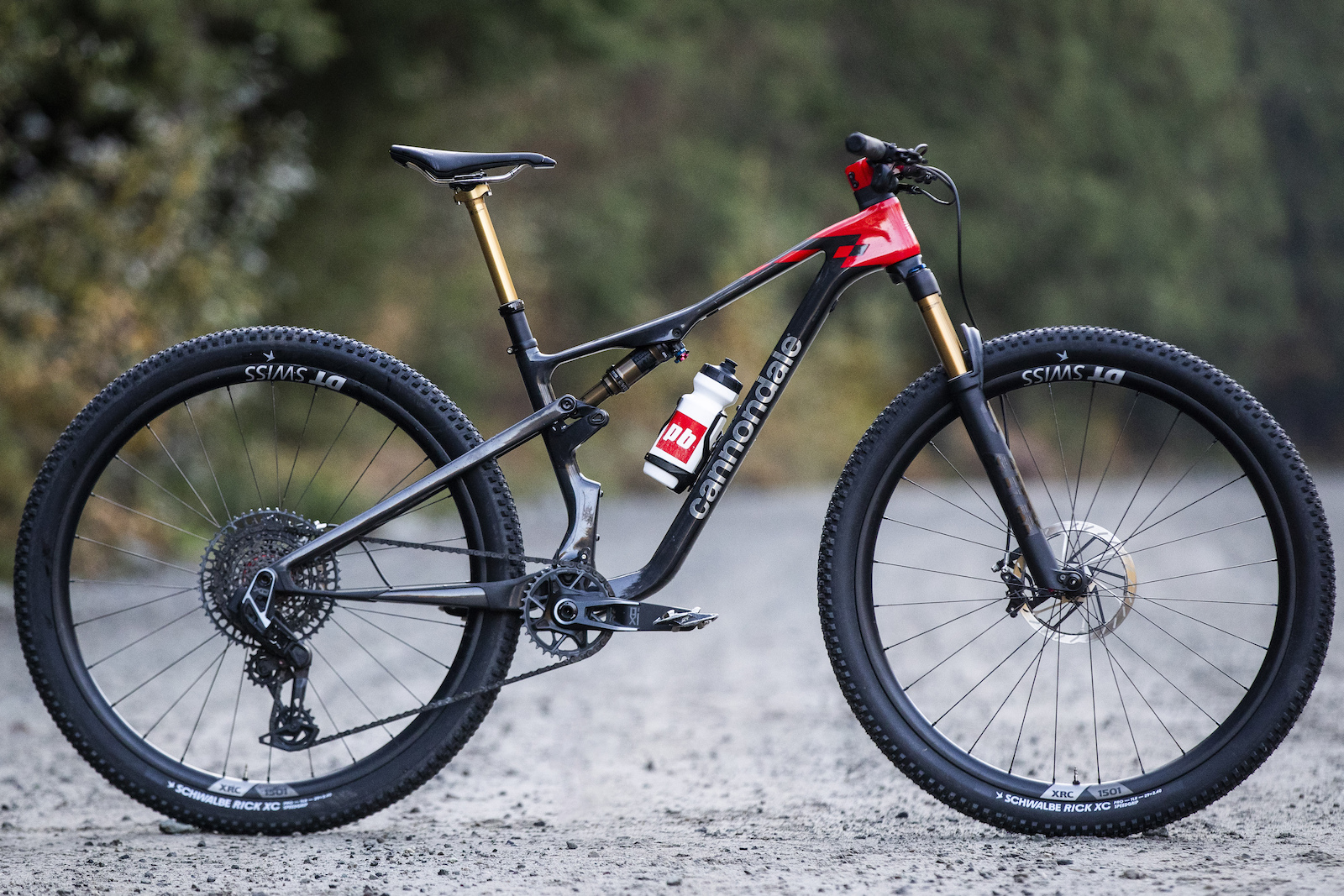
What truly distinguishes this bike is its blend of advanced engineering and rider-centric design. At the heart is the next-generation geometry, featuring a slacker head tube angle for confident descents and a steeper seat tube for powerful climbing. This setup provides 120mm of travel both front and rear, allowing it to soak up bumps while maintaining pedaling efficiency.
One standout innovation is the proprietary FlexPivot suspension system, which uses a flexible chainstay instead of traditional pivots to reduce weight and increase stiffness. This results in a smoother ride without sacrificing responsiveness. Paired with aggressive XC specs like grippy 2.4-inch tires, short stems, and wide handlebars, it’s built for speed on varied terrain.
Additionally, the frame is constructed from high-modulus carbon fiber in premium models, keeping the weight low—often under 10kg for the complete bike—while ensuring durability. Integration is key here, with internal cable routing, integrated tool storage, and compatibility with dropper posts for enhanced control during technical sections.
For those interested in the tech side, the bike often comes equipped with electronic shifting options and hydraulic disc brakes, providing precise control in all conditions. These features make it not just a race machine but a versatile trail companion.
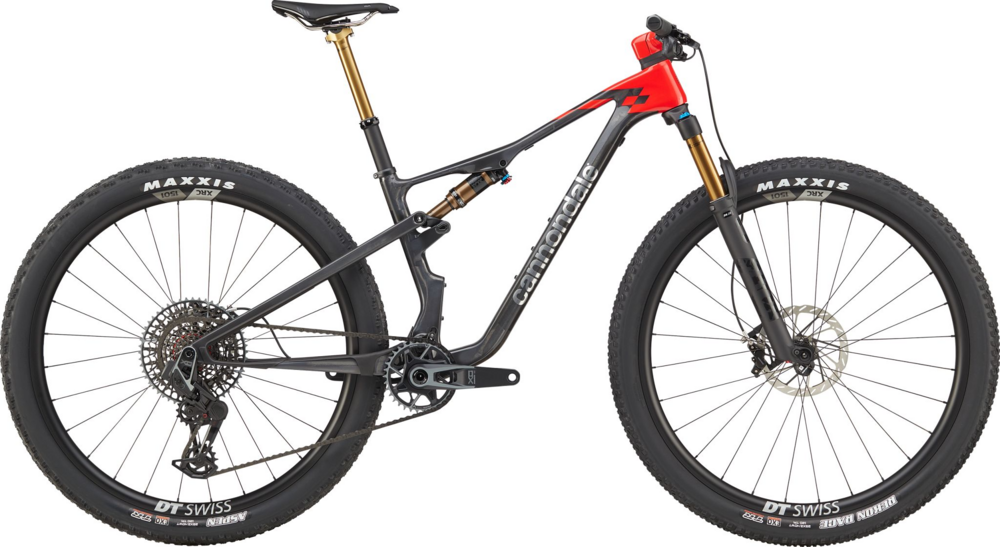
Exploring the Different Models and Specifications
The lineup offers something for various budgets and riding styles, from entry-level alloys to high-end carbon builds. Let’s break down some popular variants:
Entry-Level Options
Starting with more accessible models like the Scalpel 4, which features a SmartForm C2 alloy frame. It includes a RockShox Judy Silver TK fork and Recon RL rear shock for 100mm travel, paired with Shimano Deore components for reliable shifting. Weighing around 13kg, it’s ideal for beginners or budget-conscious riders who want a taste of full-suspension performance without breaking the bank.
Mid-Range Carbon Builds
Stepping up, the Carbon 3 variant boasts a BallisTec carbon frame, reducing weight significantly. It comes with a Fox Float DPS Performance Elite shock and Rhythm 34 fork for 120mm travel, along with SRAM NX Eagle drivetrain for smooth, wide-range gearing. This model strikes a balance between affordability and high-end features, making it popular among intermediate riders.
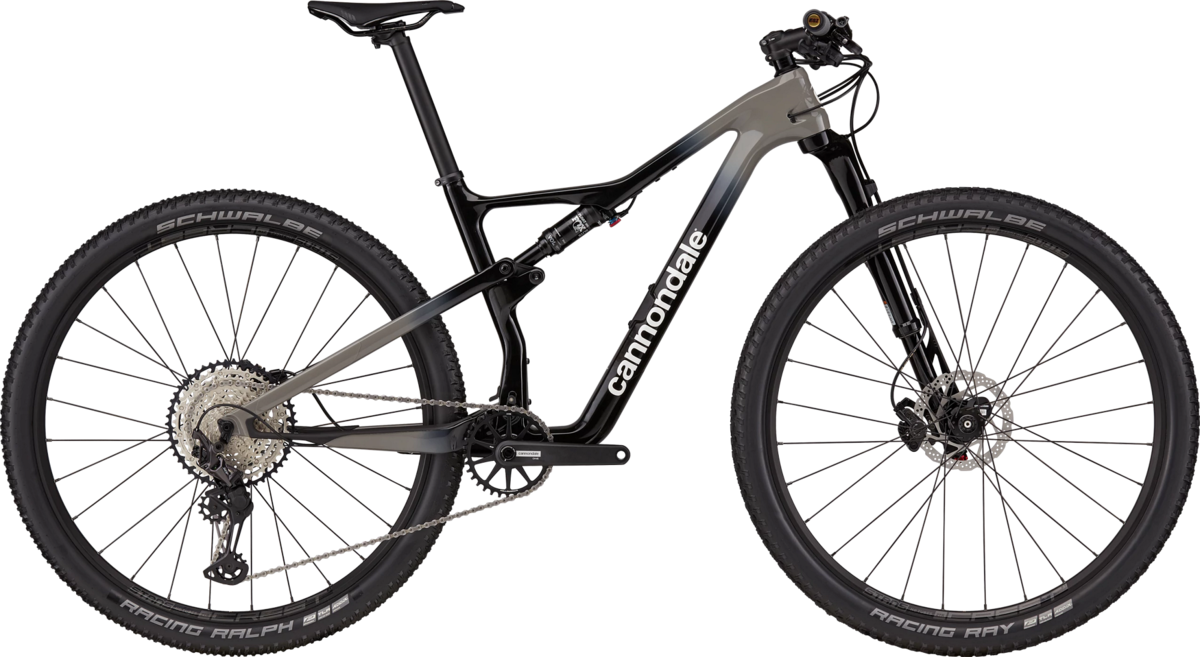
Premium and Race-Ready Versions
At the top end, the Hi-Mod 1 or SE 1 models shine with ultra-light Hi-Mod carbon frames and top-tier components like Shimano XT or SRAM XX1 Eagle. These include Lefty Ocho forks—a Cannondale signature with single-sided design for reduced weight and increased stiffness. With 120mm travel and features like remote lockout, they’re optimized for competitive racing, often seen on pro circuits.
Across the range, wheel sizes are typically 29-inch for faster rolling, and tire setups focus on low rolling resistance with ample traction. Braking is handled by powerful hydraulic systems, ensuring safety on steep descents. Prices can range from around $2,500 for base models to over $10,000 for fully specced race bikes, depending on the configuration.
Performance on the Trail: Real-World Insights
Riders consistently praise how this bike handles diverse conditions. On climbs, the efficient suspension and steep seat angle allow for powerful pedaling without energy loss. Descending feels planted, thanks to the slacker geometry and wide tires that provide confidence-inspiring grip.
In reviews, it’s often noted for its agility in tight singletracks and speed on flowy sections. One tester highlighted its ability to “accelerate where others hesitate and grip where others slip,” making it a thrill on aggressive XC courses. For endurance rides, the lightweight build reduces fatigue, while the dropper post enables quick position changes for technical maneuvers.
However, it’s not without quirks. Some users mention that the proprietary Lefty fork requires specific maintenance, though it’s lauded for its performance. Overall, it’s a bike that rewards skilled riders with unmatched speed and fun.
Pros and Cons: Weighing the Options
Like any bike, this one has its strengths and areas for consideration.
Pros
- Lightweight and Efficient: Carbon frames keep weight down, ideal for racing.
- Advanced Suspension: FlexPivot delivers smooth, maintenance-free performance.
- Versatile Geometry: Handles both climbs and descents with ease.
- Racing Pedigree: Proven in World Cups, ensuring top-tier reliability.
- Customization Options: Wide range of models to fit different budgets.
Cons
- Price Point: Premium models can be expensive for casual riders.
- Proprietary Parts: Lefty fork might limit upgrade options or require specialized service.
- Less Forgiving for Beginners: Aggressive setup demands good technique on rough terrain.
These factors make it a smart choice for serious enthusiasts but perhaps overwhelming for newcomers.
Comparisons with Competitors
When stacked against rivals like the Trek Supercaliber or Specialized Epic, this bike holds its own. The Supercaliber offers similar IsoStrut suspension for efficiency but lacks the slacker geometry for descents. The Epic, with its Brain technology, provides auto-adjusting damping, but reviewers often find the Cannondale more playful and responsive.
In terms of weight, it’s competitive, often lighter than alloy competitors while matching carbon ones. For value, mid-range models outperform similarly priced options from Scott or Giant in suspension feel and build quality.

Buyer’s Guide: Is This Bike Right for You?
If you’re into cross-country racing or fast trail rides, this is an excellent pick. Consider your skill level—beginners might start with alloy versions, while pros will appreciate the Hi-Mod builds. Factor in maintenance: Opt for models with standard forks if you prefer easy servicing.
When purchasing, check for deals on sites like BikeExchange or local dealers. Sizing is crucial; Cannondale offers frames from small to extra-large, with geometry charts available online.
Accessories like upgraded wheels or tires can enhance performance, but the stock setup is already race-ready.
Final Thoughts on This Trail Icon
In summary, the Cannondale Scalpel represents the pinnacle of cross-country innovation, blending speed, comfort, and durability into a package that’s hard to beat. Whether dominating races or exploring backcountry paths, it delivers an unforgettable experience. If you’re ready to elevate your riding, this bike could be your next adventure companion.
For more details, visit Cannondale’s official site or check out user forums for personal stories. Happy trails!