
Cannondale Jekyll: Your Guide to This Iconic Enduro Mountain Bike
In the world of mountain biking, few names evoke as much excitement as the Cannondale Jekyll. This high-performance enduro bike has carved out a reputation for delivering thrilling rides on challenging terrain, blending innovative design with robust engineering. Whether you’re an experienced rider tackling steep descents or someone looking to upgrade your trail setup, the Cannondale Jekyll stands out for its balance of speed, stability, and versatility. In this comprehensive guide, we’ll dive deep into what makes the Cannondale Jekyll a favorite among enthusiasts, exploring its history, features, specs, and real-world performance.
A Brief History of the Cannondale Jekyll
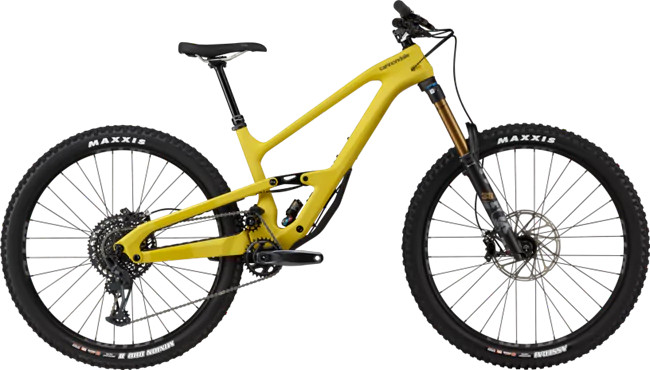
The Cannondale Jekyll has a rich legacy that traces back to the early days of full-suspension mountain bikes. First introduced in the late 1990s, it quickly became known for pushing boundaries in suspension technology and frame design. Over the years, Cannondale has refined the Jekyll through multiple iterations, adapting to evolving rider demands and technological advancements.
Early models of the Cannondale Jekyll featured innovative elements like the HeadShok suspension fork and aluminum frames, emphasizing lightweight construction and efficient pedaling. By the mid-2000s, the bike evolved to include more travel and slacker geometry, aligning with the growing popularity of enduro racing. The 2018 version, for instance, boasted 170mm of front travel and an adjustable rear suspension that could switch between 165mm in “Flow” mode and 130mm in “Hustle” mode via a remote lever on the Gemini shock. This allowed riders to optimize for climbing efficiency or descending prowess on the fly.
Fast forward to the 2022 redesign, and the Cannondale Jekyll embraced a high-pivot suspension layout, a trend that’s gained traction for improving traction and stability on rough trails. This update included a carbon frame with a hidden shock in the “Gravity Cavity,” size-specific kinematics, and 29-inch wheels for all-around performance. The evolution reflects Cannondale’s commitment to innovation, making the Jekyll not just a bike but a symbol of progression in mountain biking.
Design and Features That Set the Cannondale Jekyll Apart
What truly distinguishes the Cannondale Jekyll is its thoughtful design tailored for enduro enthusiasts. The frame is constructed from high-modulus carbon fiber, providing a perfect blend of strength and lightness. At the heart of its suspension is a four-bar linkage system combined with a high-pivot point and an idler pulley (dubbed the “Guidler”), which minimizes chain growth and pedal kickback while enhancing rear-wheel traction.
One standout feature is the Proportional Response design, where suspension kinematics, geometry, and chainstay lengths are customized by frame size. For example, smaller frames have shorter rear centers (around 430mm) for agility, while larger ones extend to 450mm for better stability. This ensures every rider, regardless of height, experiences optimized handling.
The “Gravity Cavity” is another clever innovation—a twin-spar downtube that houses the rear shock, lowering the center of gravity for improved stability and quicker line changes. While it can trap some dirt or rocks, leading to occasional noise, it’s a minor trade-off for the performance gains. Additionally, the bike comes with a custom fender to protect the shock.
Detailed Specifications of the Cannondale Jekyll 1
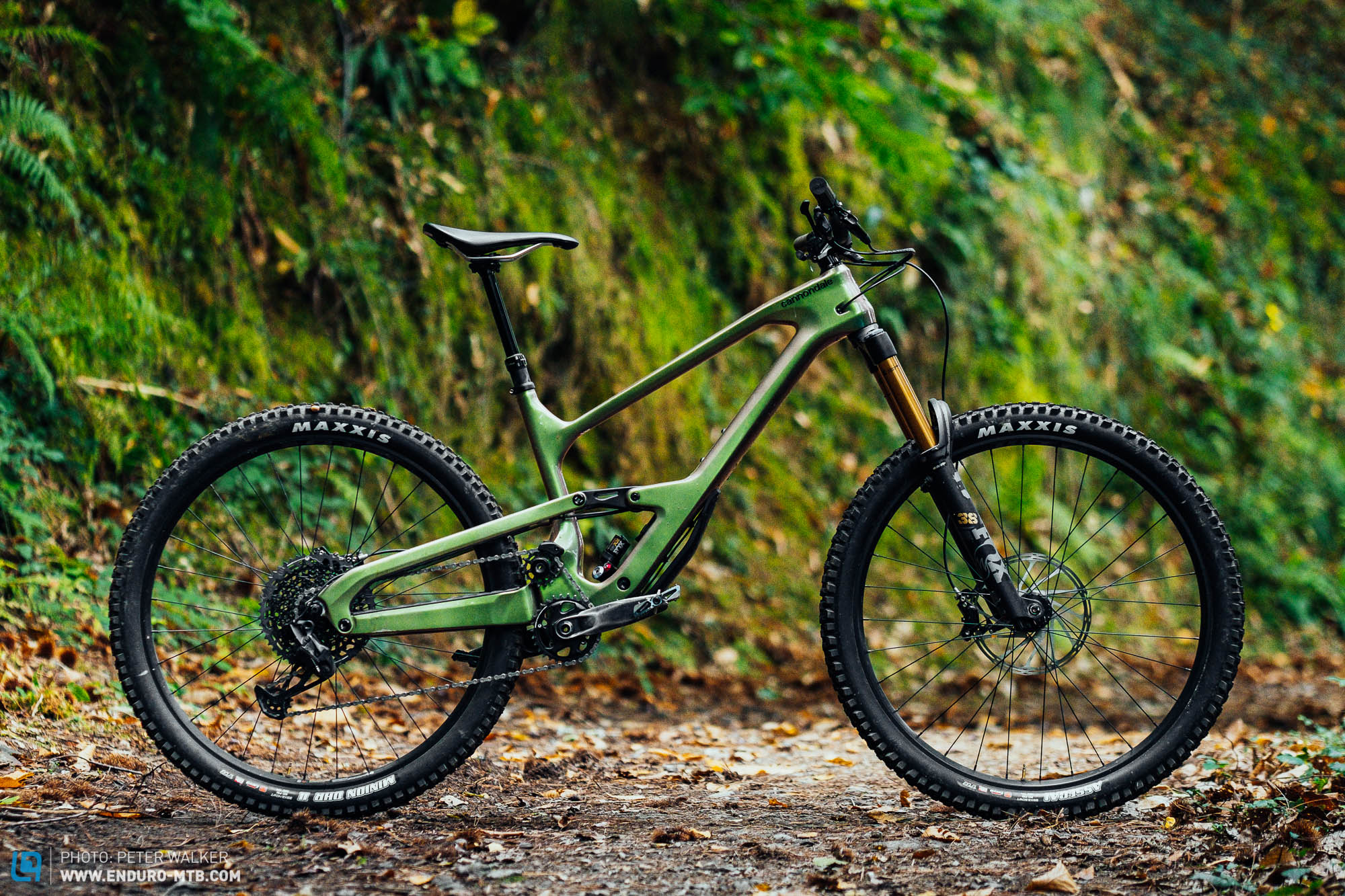
Let’s break down the specs of the premium Cannondale Jekyll 1 model, which exemplifies the line’s capabilities. This bike is built for aggressive riding, with components selected for durability and precision.
Frameset and Suspension
- Frame: Carbon fiber with 165mm travel, Proportional Response Tuned, Guidler idler pulley, BSA 73 bottom bracket, ISCG05 chain guide mount, tapered head tube, and Ai Offset.
- Fork: Fox Float Factory 38, 170mm travel, 15x110mm thru-axle, tapered steerer, 44mm offset.
- Rear Shock: Fox Float Factory X2, 205×65 Metric Trunnion, adjustable high/low-speed compression and rebound.
Drivetrain
- Shifters: SRAM GX Eagle, 12-speed.
- Rear Derailleur: SRAM GX Lunar Eagle.
- Crankset: SRAM X1 Eagle B148 CL55, 30T chainring.
- Cassette: SRAM XG-1275 GX Eagle, 10-52T.
- Chain: SRAM NX Eagle, 12-speed.
- Bottom Bracket: SRAM DUB BSA MTB73.
Brakes and Wheels
- Brakes: SRAM Code RSC hydraulic disc with 220mm front and 200mm rear CenterLine rotors.
- Wheels: 29-inch, WTB KOM Trail i30 TCS rims (32h, tubeless-ready), DT Swiss spokes, Formula front hub (15x110mm), SRAM MTH 700 rear hub (12x148mm, XD driver).
- Tires: Maxxis Assegai 29×2.5″ front (3C compound, EXO+ puncture protection) and Maxxis Minion DHR II 29×2.4″ rear (EXO+).
Components
- Handlebar: Cannondale 1 Riser, carbon, 780mm width, 30mm rise.
- Stem: FSA Grid 35, 35mm length.
- Seatpost: Cannondale DownLow Dropper, 31.6mm, with 125mm (small) or 150mm (medium-XL) travel.
- Saddle: Fabric Scoop Shallow Elite with cro-mo rails.
- Grips: Cannondale TrailShroom.
The Cannondale Jekyll 1 weighs around 16kg (depending on size and setup), making it competitive in the enduro category without sacrificing robustness.
Performance on the Trails: Climbing and Descending with the Cannondale Jekyll
When it comes to real-world riding, the Cannondale Jekyll shines brightest on descents. Reviews highlight its exceptional traction and stability, thanks to the high-pivot design that creates a rearward axle path, absorbing square-edged hits and maintaining momentum through rough sections. On high-speed trails, it feels planted and predictable, with ample grip in corners and the ability to handle big drops confidently. The suspension offers supple small-bump compliance, solid mid-stroke support, and controlled bottom-out resistance.
Climbing performance is solid but gravity-oriented. The steep seat tube angle (around 77.5 degrees) and high stack height provide a comfortable pedaling position, but the active suspension can lead to some bobbing on steep ascents. Anti-squat values hover around 100% in low gears, dropping off higher up, which suits shuttle laps or bike parks more than all-day epics. For efficiency, riders might appreciate the climb switch on the shock, though it’s a bit fiddly to access mid-ride.
In older models like the 2018 Cannondale Jekyll, the adjustable travel added versatility for climbs, making it feel more like a trail bike with enduro reserves. Modern versions prioritize descending prowess, but with tweaks like lighter wheels, it can handle varied terrain admirably.
Pros and Cons of Owning a Cannondale Jekyll
No bike is perfect, and the Cannondale Jekyll is no exception. Here’s a balanced look based on rider feedback and expert reviews.
Pros
- Balanced Handling: Centered riding position and size-specific geometry make it intuitive and fun to ride.
- Traction and Stability: High-pivot suspension delivers excellent grip and composure at speed.
- Build Quality: Premium components like Fox Factory suspension and SRAM drivetrain ensure reliability.
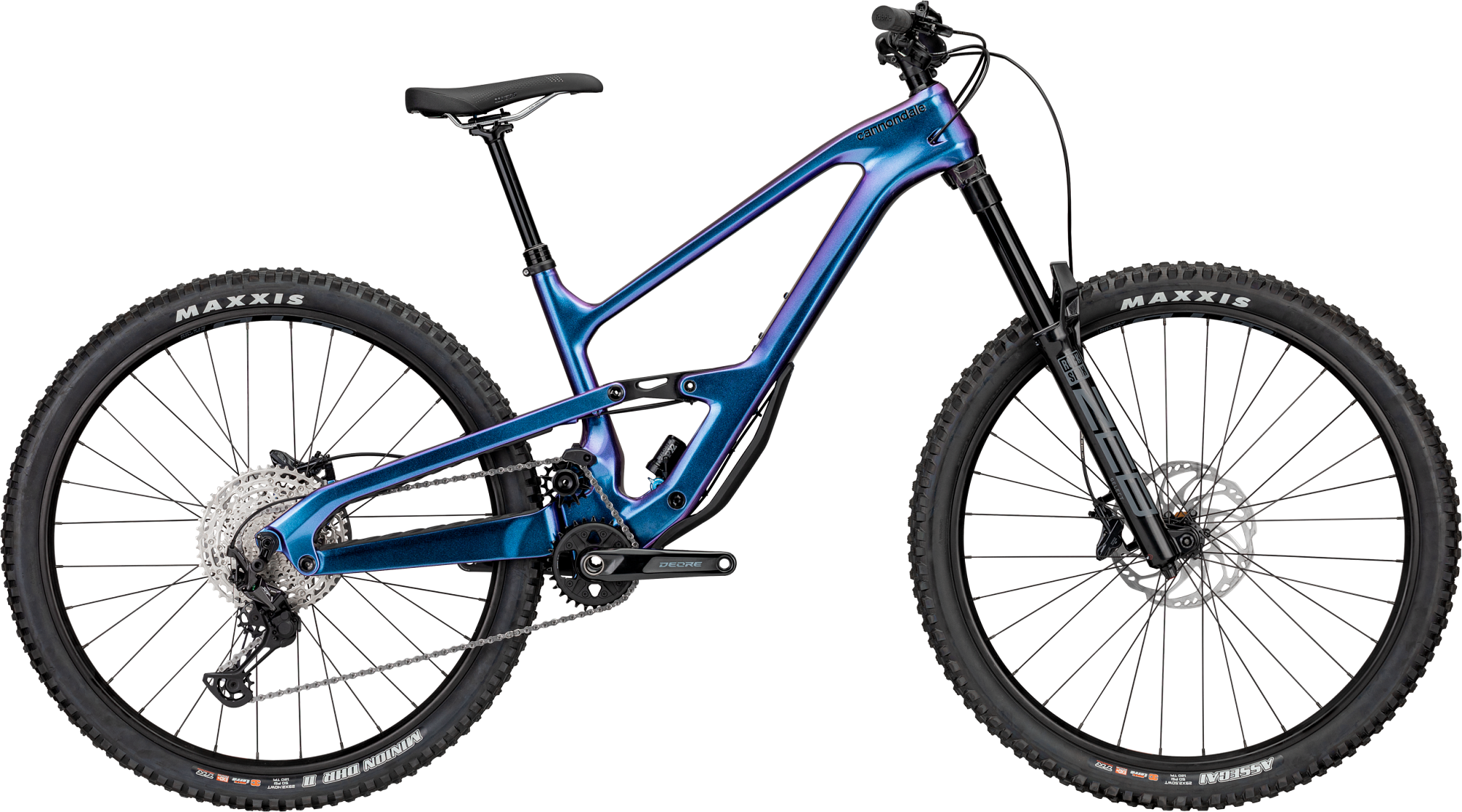
- Aesthetics: Striking paint jobs and innovative frame design turn heads on the trail.
- Versatility for Enduro: Excels in races, bike parks, and technical descents.
Cons
- Weight: At over 16kg, it’s not the lightest, which can feel sluggish on long climbs.
- Dropper Post Length: The stock 150mm dropper on larger frames is too short for some riders, limiting movement.
- Stock Wheels and Tires: Entry-level hubs and rims may require upgrades for heavy use; rear tire casing could be tougher for rocky terrain.
- Maintenance Quirks: The Gravity Cavity can collect debris, and the idler pulley needs occasional attention.
- Price Point: As a high-end model, it commands a premium, though value is strong compared to competitors.
Overall, the pros far outweigh the cons for riders focused on downhill thrills.
Who Should Consider the Cannondale Jekyll?
The Cannondale Jekyll is ideal for intermediate to advanced riders who prioritize enduro racing or aggressive trail riding. If you love bombing down steep, technical descents and value a bike that handles high speeds with poise, this is your match. It’s less suited for beginners or those seeking a lightweight XC machine for casual pedaling. Compared to bikes like the Yeti SB160 or Specialized Enduro, the Jekyll offers a unique high-pivot feel with better square-edge compliance, though it might not climb as eagerly as some low-pivot designs.
For customization, Cannondale offers models like the Jekyll 2 with slightly more affordable components, such as RockShox suspension and Shimano drivetrain, while maintaining the core DNA.
Final Thoughts on the Cannondale Jekyll
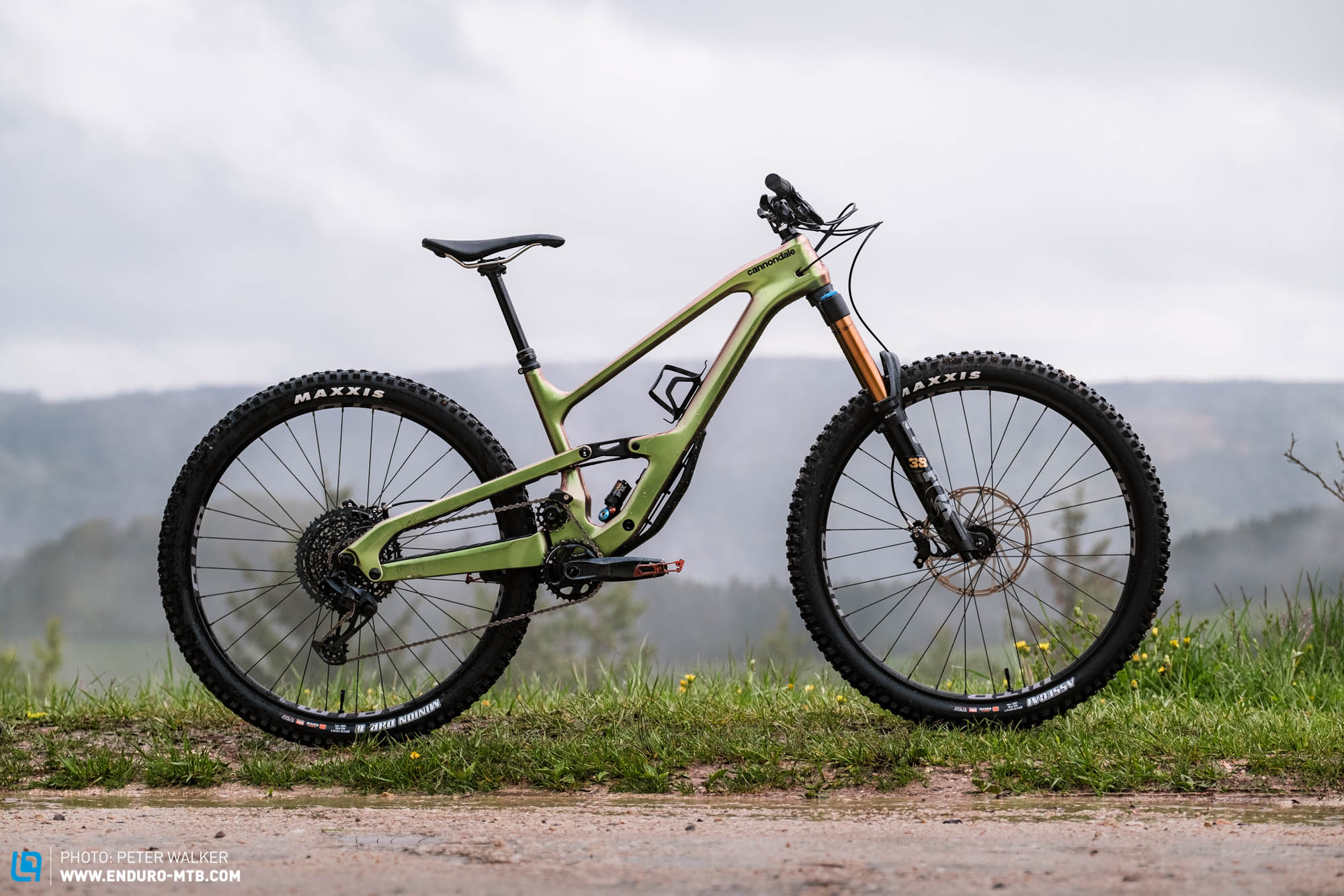
The Cannondale Jekyll continues to evolve as a benchmark in the enduro category, combining cutting-edge suspension with rider-centric features for an exhilarating experience. Whether you’re drawn to its history of innovation or its modern performance on demanding trails, this bike delivers confidence and fun in spades. If you’re in the market for a capable full-suspension MTB, test ride a Cannondale Jekyll—you might just find your new favorite ride.
For the latest models and pricing, check out Cannondale’s official site or your local dealer. Happy trails!
