
Exploring the Cannondale Trail Series: Your Ultimate Guide to Versatile Mountain Bikes
If you’re passionate about hitting the dirt paths, conquering rocky terrains, or simply enjoying a leisurely ride through the woods, the Cannondale Trail series might just be the perfect companion for your adventures. As one of the most accessible and reliable lines of mountain bikes from the renowned brand Cannondale, the Cannondale Trail bikes are designed for riders of all levels, from beginners dipping their toes into off-road cycling to seasoned enthusiasts seeking a dependable hardtail. In this comprehensive guide, we’ll dive deep into what makes the Cannondale Trail series stand out, explore its various models, highlight key features, and provide tips on choosing the right one for you. Whether you’re looking for affordability, performance, or durability, the Cannondale Trail has something to offer.
Cannondale, founded in 1971, has a rich history rooted in innovation and quality craftsmanship. Starting as a manufacturer of touring bags and trailers, the company quickly pivoted to bicycles in the 1980s, becoming famous for its aluminum frames that were lighter and stiffer than traditional steel options. Over the decades, Cannondale has pushed boundaries with technologies like the CAAD (Cannondale Advanced Aluminum Design) frames and has sponsored professional cycling teams, solidifying its reputation in the cycling world. The Cannondale Trail series embodies this legacy, bringing high-end engineering to entry-level and mid-range mountain bikes that prioritize fun, reliability, and value.
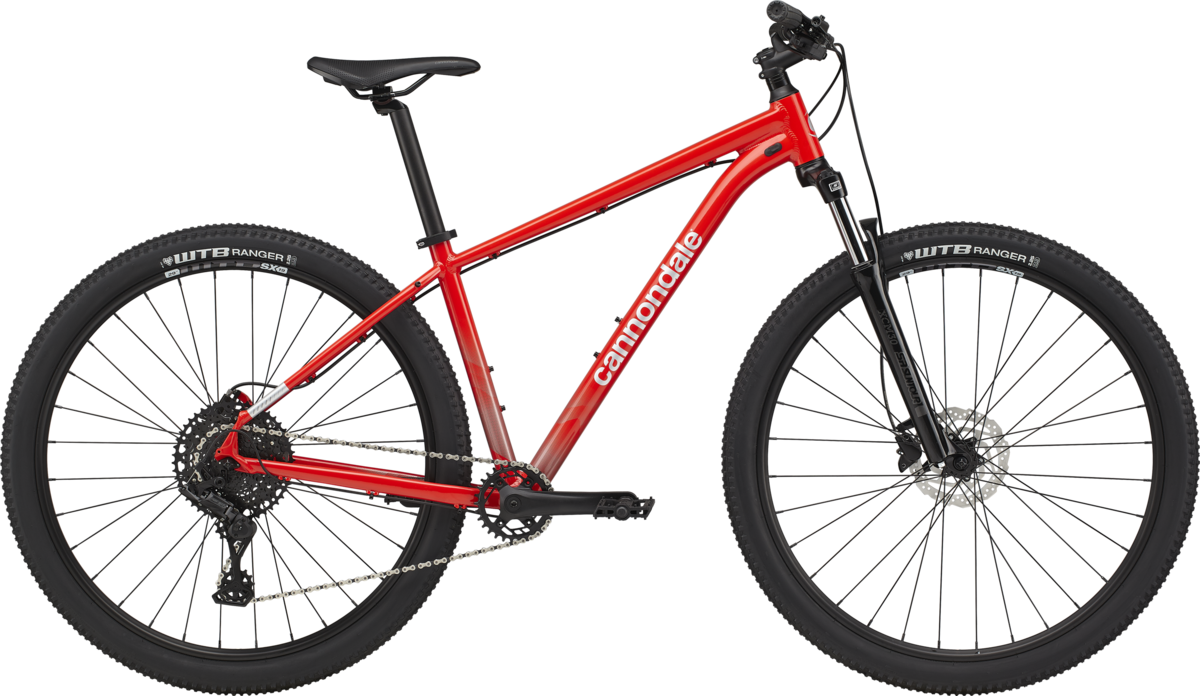
What Sets the Cannondale Trail Series Apart?
At its core, the Cannondale Trail series consists of hardtail mountain bikes, meaning they feature front suspension forks but no rear shock, which keeps them lightweight and efficient for climbing while providing enough cushion for moderate trails. These bikes are built around Cannondale’s SmartForm C3 alloy frames, which are known for their strength-to-weight ratio and responsive handling. Unlike full-suspension models that can feel sluggish on smoother paths, the Cannondale Trail bikes excel in versatility, making them ideal for cross-country rides, light downhill, and even urban commuting with a twist of adventure.
One of the standout aspects of the Cannondale Trail lineup is its focus on modern geometry. With slack head angles for better stability on descents and short chainstays for nimble maneuvering, these bikes inspire confidence on varied terrain. Riders often praise the Cannondale Trail for its balanced ride quality—it’s not overly aggressive like some enduro bikes, nor too tame for exciting singletracks. According to reviews, the mid-range models like the Trail 6 offer a 100mm SR Suntour front fork, paired with Shimano’s reliable drivetrain and hydraulic disc brakes, ensuring smooth shifts and powerful stopping power even in wet conditions.
For those seeking more capability, the Cannondale Trail SE variants amp up the features with longer travel forks (up to 120mm), wider tires for better grip, and dropper posts for on-the-fly saddle adjustments during descents. This makes them suitable for rougher trails without sacrificing the efficiency that hardtails are known for.
Breaking Down the Cannondale Trail Models
The Cannondale Trail series spans several models, each tailored to different budgets and riding styles. Let’s explore them in detail, starting from the entry-level options and moving up.
Entry-Level: Cannondale Trail 8 and Trail 7
If you’re new to mountain biking or on a tight budget, the Cannondale Trail 8 is an excellent starting point. Priced affordably, it features a lightweight alloy frame, a 75mm SR Suntour coil fork for basic shock absorption, and a Shimano Tourney 3×7 drivetrain for straightforward gearing. The mechanical disc brakes provide adequate stopping, though they might not match the hydraulic options on higher models. Reviewers note it’s great for dirt paths and easy trails but may struggle on rocky, root-filled routes due to its simpler components.
Stepping up, the Cannondale Trail 7 improves on this with a better fork (SR Suntour XCT with 100mm travel), hydraulic disc brakes for superior modulation, and a microSHIFT drivetrain. It’s a solid choice for beginners who want a bit more performance without breaking the bank. Both models come in multiple frame sizes and colors, ensuring a good fit for riders from 5’0″ to 6’4″.
Mid-Range: Cannondale Trail 6 and Trail 5
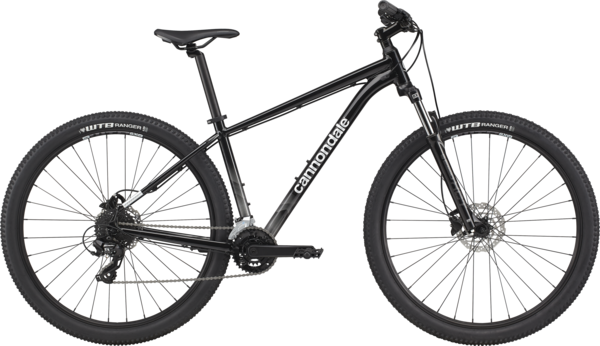
For riders ready to tackle more challenging terrain, the Cannondale Trail 6 shines with its Shimano Altus 2×9 drivetrain, offering a wider gear range for steep climbs and fast descents. The 100mm SR Suntour XCM fork with lockout allows you to firm up the suspension on smooth sections for better pedaling efficiency. Hydraulic brakes from Shimano ensure confident control, and the bike’s overall build makes it feel lively and fun on trails.
The Cannondale Trail 5 takes it further with upgraded components like a Shimano Deore 1×10 drivetrain for simpler shifting and fewer maintenance issues. Its SmartForm C3 frame is praised for being comfortable during long rides, with a geometry that encourages an upright posture for all-day adventures. In tests, this model has been highlighted for its value, blending affordability with features that punch above its weight class.
Premium Options: Cannondale Trail 1, Trail SE 4, and Beyond
At the top of the Cannondale Trail hierarchy sits the Trail 1, which boasts a premium SmartForm C3 alloy frame that’s light and responsive, drawing from 50 years of Cannondale’s alloy expertise. It includes a RockShox Judy Silver TK fork with 100mm travel, a SRAM SX Eagle 1×12 drivetrain for precise shifting across a massive gear range, and powerful hydraulic brakes. This model is ideal for intermediate riders who want a bike that can grow with their skills.
For even more trail-focused performance, the Cannondale Trail SE 4 stands out with 120mm of front travel via a RockShox Judy Silver fork, wide WTB Ranger tires for enhanced traction, and a dropper post for dynamic riding. Reviews commend its Shimano drivetrain for reliability and note that while the brakes could be more powerful, the overall package offers great upgrade potential and comfort on cruises and climbs.

Key Features and Technologies in Cannondale Trail Bikes
What truly elevates the Cannondale Trail series is the integration of thoughtful technologies. The SmartForm C3 alloy uses advanced hydroforming to create tubes that are strong yet lightweight, reducing fatigue on long rides. Many models feature internal cable routing for a clean look and protection from the elements, while the SAVE micro-suspension technology in the rear triangle absorbs vibrations for a smoother experience.
Wheel sizes vary, with 27.5″ options for smaller frames to ensure better handling for petite riders, and 29″ wheels on larger sizes for rolling over obstacles with ease. Braking systems from Shimano or Tektro provide consistent performance, and the bikes are compatible with tubeless tires, allowing for lower pressures and better puncture resistance.
In terms of customization, Cannondale Trail bikes often include mounts for racks and fenders, making them versatile for bikepacking or commuting. Sustainability is also a focus, with Cannondale committing to eco-friendly manufacturing processes.
Performance Reviews and Real-World Testing
From user feedback and expert reviews, the Cannondale Trail series consistently earns high marks for its handling and value. For instance, the Trail SE 4 is lauded for its comfortable climbing position and upgrade-friendly frame, though some note the brakes lack urgency on steep descents. Older models like the Trail SL 29er have been praised for precise line selection and stable rear-end tracking, making them excellent for technical trails.
In video breakdowns, the Cannondale Trail range is highlighted for confident handling and modern cross-country geometry, suitable for every rider from casual to competitive. Beginners appreciate the forgiving nature, while advanced users enjoy pushing the limits on light downhill sections.
Buying Guide: Choosing Your Cannondale Trail Bike
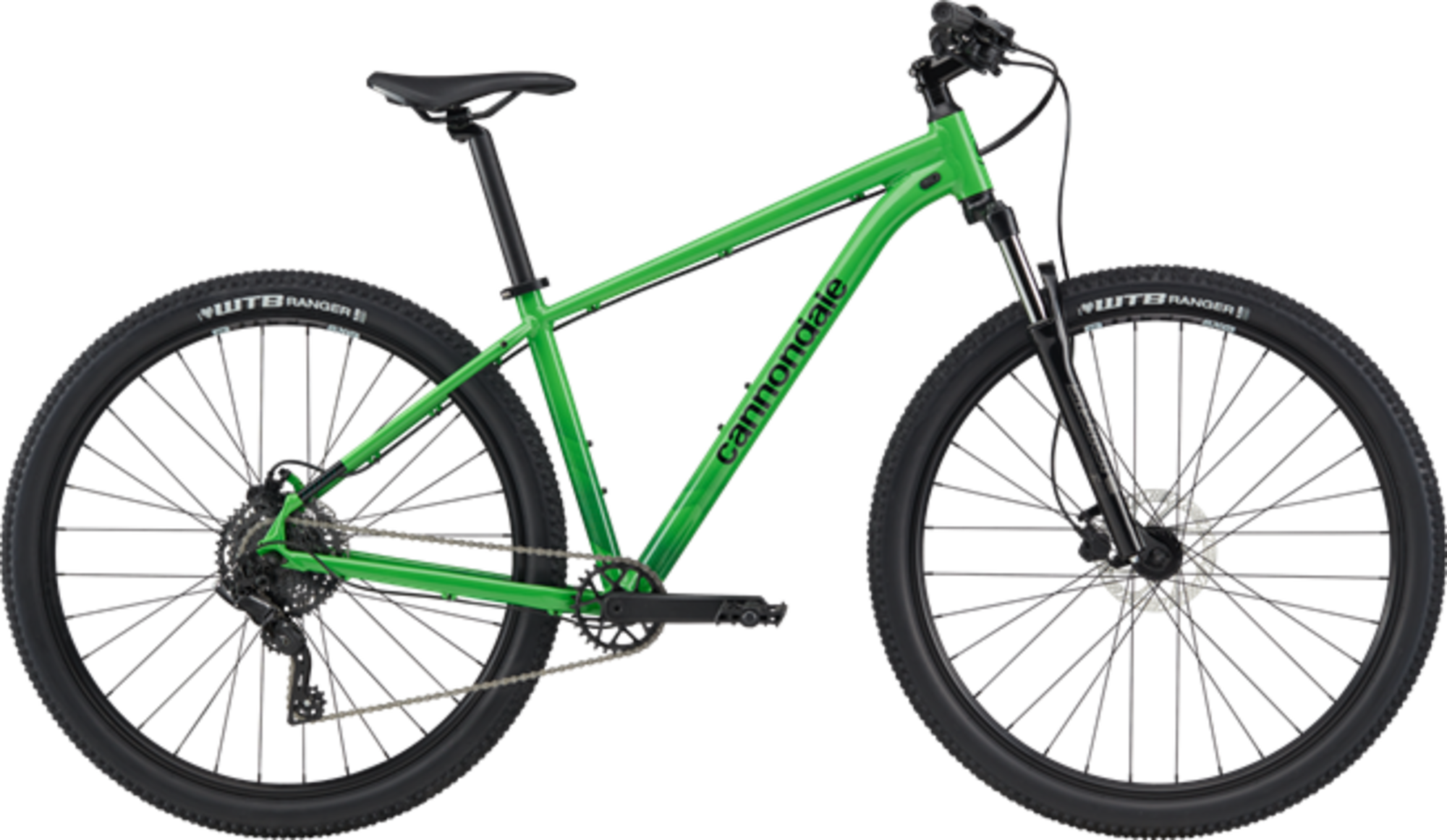
When selecting a Cannondale Trail model, consider your riding style, terrain, and budget. For casual paths, the Trail 8 or 7 suffices around $500-$700. Mid-range options like the Trail 6 or 5, priced $800-$1000, offer better components for frequent use. Premium models exceed $1000 but provide long-term value.
Fit is crucial—visit a local dealer for sizing. Accessories like pedals, helmets, and lights enhance safety. Maintenance tips include regular chain cleaning and fork servicing to keep your Cannondale Trail performing optimally.
Compared to competitors like Trek’s Marlin or Giant’s Talon, the Cannondale Trail stands out for its superior frame quality and ride feel, often at similar price points.
Final Thoughts on the Cannondale Trail Series
The Cannondale Trail series represents the essence of accessible mountain biking—reliable, fun, and built to last. Whether you’re embarking on your first trail ride or upgrading your setup, these bikes deliver performance that inspires exploration. With their blend of innovation, comfort, and affordability, it’s no wonder the Cannondale Trail continues to win over cyclists worldwide.
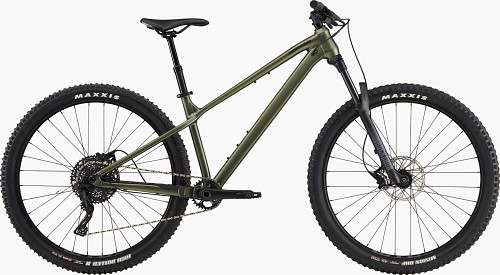
Ready to hit the trails? Check out the latest Cannondale Trail models at your nearest bike shop or online retailer, and start your adventure today!