
Cannondale CAAD 8: The Ultimate Guide to This Legendary Aluminum Road Bike
If you’re diving into the world of road cycling, few bikes capture the essence of performance and affordability quite like the Cannondale CAAD 8. This aluminum powerhouse has been a staple for enthusiasts and beginners alike, blending cutting-edge engineering with a ride that’s both responsive and forgiving. In this in-depth blog post, we’ll explore everything you need to know about the Cannondale CAAD 8, from its rich history to its specs, real-world performance, and why it remains a smart choice even years after its prime. Whether you’re considering a used model or just curious about classic road bikes, stick around for a comprehensive look that could help you pedal your way to better adventures.
The History Behind the Cannondale CAAD Series
Cannondale’s journey into aluminum road bikes began in the early 1980s, revolutionizing the cycling industry with innovative designs that prioritized lightness and strength. The first Cannondale road frame hit the market in 1983, priced at around $350 including the fork, and featured a steel fork with unique helical reinforcements. This laid the groundwork for the CAAD (Cannondale Advanced Aluminum Design) lineup, which quickly became synonymous with high-performance alloy frames.
The Cannondale CAAD 8 emerged as part of this evolution in the mid-2000s, positioned as an entry-to-mid-level option that borrowed technology from higher-end models like the CAAD10. By 2010, it was often equipped with budget-friendly components like Shimano Sora, making it accessible for new riders. Over the years, the series saw refinements in tube shaping, welding techniques, and geometry, with the CAAD 8 benefiting from SAVE (Synapse Active Vibration Elimination) technology for improved comfort on rough roads. Models from 2012 onward incorporated CAAD10-derived tube shapes, enhancing stiffness while keeping the weight competitive—often around 9kg for a complete bike.
What sets the Cannondale CAAD 8 apart in history is its role as a “fast starter” bike. It was designed for those stepping up from hybrids or mountain bikes, offering race-inspired geometry that’s more forgiving than aggressive pro-level setups. This Heads-Up Race geometry provided stability without sacrificing speed, making it ideal for long rides or casual races. Even today, vintage models from 2006 to 2014 are sought after on resale markets, with values holding steady due to their durable build.
Key Features and Specifications of the Cannondale CAAD 8
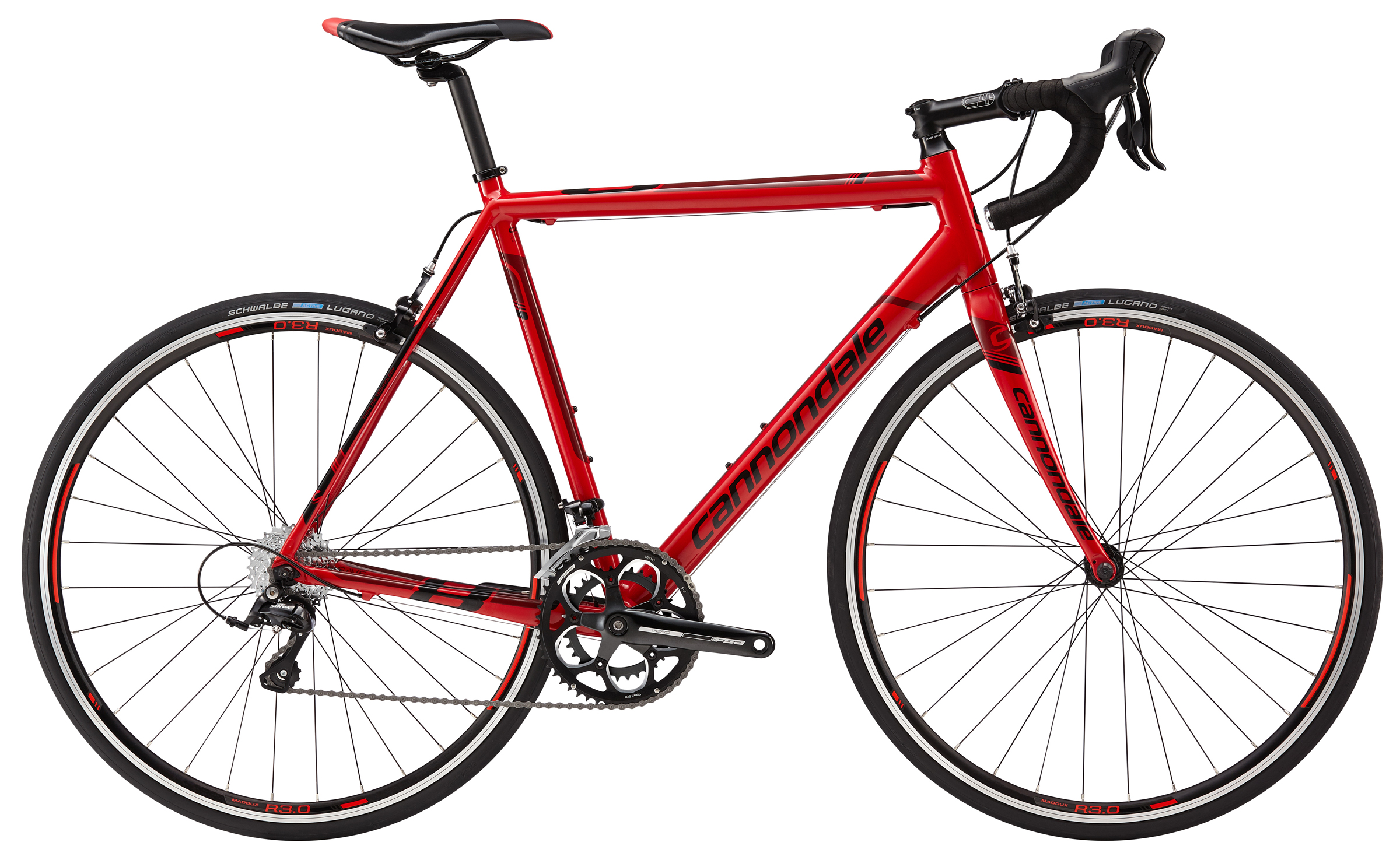
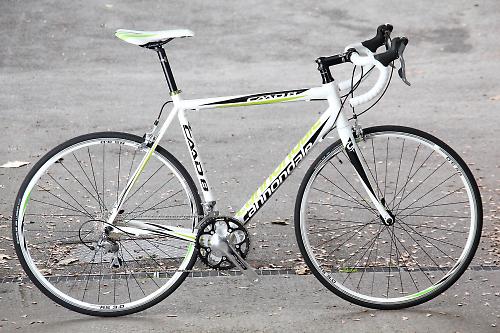
Diving into the nuts and bolts, the Cannondale CAAD 8 boasts an optimized 6061-T6 alloy frame, known for its balance of strength and weight savings. This material choice keeps the bike lighter than many competitors in its price range, with frames often tipping the scales at under 1,300 grams. Paired with a carbon fork—like the Cannondale Ultra or Slice models—it absorbs vibrations effectively, ensuring a smoother experience on varied terrain.
Component-wise, variations abound depending on the year and trim. For instance, a 2015 Cannondale CAAD 8 105 model featured Shimano 105 shifters and derailleurs, a 50/34 compact crankset, and an 11-28 cassette for versatile gearing. Brakes were typically Tektro R741 calipers, providing reliable stopping power. Wheels came from brands like Maddux, with quick-rolling rims that enhanced acceleration. Earlier versions, such as the 2006 R800, might sport Shimano Ultegra groupsets on a triple crank (3×9 setup), catering to hillier routes.
Geometry is another highlight: With a slightly relaxed head angle and longer wheelbase compared to pure race bikes, the Cannondale CAAD 8 promotes confidence-inspiring handling. Sizes ranged from 48cm to 63cm, accommodating riders of various heights. BB30 bottom bracket standards ensured efficient power transfer, a nod to Cannondale’s racing heritage.
In terms of upgrades, many owners swap out stock saddles or tires for personalized comfort, but the base setup is solid for entry-level racing or commuting.
Performance on the Road: How the Cannondale CAAD 8 Rides
When it comes to actual riding, the Cannondale CAAD 8 shines in its ability to feel premium without the carbon price tag. Reviewers often praise its stiffness-to-weight ratio, allowing for quick sprints and efficient climbing. On flat roads, the bike accelerates eagerly, thanks to the responsive alloy frame and carbon fork that mute buzz from pavement imperfections.
For longer endurance rides, the SAVE technology integrated into the stays helps reduce fatigue, making it a great option for century rides or group outings. Handling is stable, especially in descents, where the geometry prevents twitchiness. However, it’s worth noting that while it’s not the lightest road bike (around 9-10kg fully built), it punches above its weight in terms of value.
In mixed conditions, the Cannondale CAAD 8 performs admirably. Wet weather braking is decent with the caliper setup, though modern disc brakes on newer bikes might edge it out. Overall, it’s a bike that encourages you to push limits without overwhelming beginners.
Pros and Cons of Owning a Cannondale CAAD 8
Like any bike, the Cannondale CAAD 8 has its strengths and weaknesses. Here’s a balanced breakdown:
Pros:
- Affordability and Value: Often available used for under $500-$800, it’s a budget-friendly entry into serious road cycling.
- Durability: Aluminum construction withstands daily use and minor crashes better than fragile carbon.
- Versatility: Suitable for commuting, training, or light racing with easy upgrade paths.
- Comfort: Vibration-damping features make long rides enjoyable.
- Timeless Design: Clean lines and reliable components keep it relevant.
Cons:
- Weight: Heavier than modern carbon bikes, which might matter for competitive racing.
- Entry-Level Components: Base models with Sora groupsets may feel basic compared to higher-end Shimano or SRAM options.
- Outdated Tech: Lacks integrated cabling or aero optimizations found in current models.
- Availability: As an older series, new parts might require hunting on aftermarket sites.
Who Should Consider the Cannondale CAAD 8?
This bike is perfect for aspiring cyclists who want a reliable steed without breaking the bank. If you’re a beginner transitioning to road biking, the forgiving geometry will build your confidence. Commuters appreciate its robustness for urban environments, while hobbyists enjoy tinkering with upgrades like better wheels or electronic shifting.
Seasoned riders might pick one up as a winter trainer or backup bike, given its low maintenance needs. However, if you’re chasing ultra-lightweight or disc-brake modernity, look to newer Cannondale models like the CAAD13.
Maintenance Tips for Your Cannondale CAAD 8
Keeping your Cannondale CAAD 8 in top shape is straightforward. Regularly clean the chain and drivetrain to prevent wear, especially after wet rides. Check tire pressure weekly—aim for 90-110 PSI depending on your weight. The alloy frame resists rust, but inspect welds and cables annually.
For the carbon fork, avoid high-pressure washes to prevent damage. If upgrading, consider wider tires (up to 28mm) for added comfort. Professional tune-ups every 500-1000 miles ensure longevity.
Comparisons: Cannondale CAAD 8 vs. Modern Alternatives
How does the Cannondale CAAD 8 stack up today? Compared to entry-level carbon bikes like the Trek Domane AL, it’s heavier but often cheaper and more durable. Against alloy peers like the Specialized Allez, it offers similar performance with Cannondale’s signature stiffness.
For those eyeing vintage vibes, it outperforms older steel frames in speed but lacks the supple ride of chromoly. Ultimately, if budget is key, the CAAD 8 edges out many contemporaries in bang-for-buck.

Final Thoughts on the Cannondale CAAD 8
In a market flooded with high-tech carbon wonders, the Cannondale CAAD 8 stands as a testament to timeless engineering. Its blend of performance, affordability, and reliability makes it a beloved choice for cyclists worldwide. Whether you’re hitting the pavement for fitness, fun, or friendly competition, this bike delivers without pretense. If you’re in the market, scout reputable sellers for a well-maintained model—you won’t regret it.
Ready to ride? Share your experiences with the Cannondale CAAD 8 in the comments below!