
The Ultimate Guide to Cannondale Racing Bicycle: Speed, Innovation, and Rider Performance
In the world of competitive cycling, few brands capture the essence of speed and precision quite like Cannondale. If you’re passionate about road racing or simply seeking a high-performance bike that pushes boundaries, a Cannondale racing bicycle might just be your perfect match. This comprehensive guide dives deep into what makes these bikes stand out, from their storied history to cutting-edge features and top models. Whether you’re a seasoned pro or an aspiring enthusiast, we’ll explore why a Cannondale racing bicycle continues to dominate races and win hearts worldwide.
A Brief History of Cannondale: From Humble Beginnings to Racing Dominance
Cannondale’s journey began in 1971 in Wilton, Connecticut, initially as a manufacturer of touring bags and camping gear. It wasn’t until the 1980s that the brand pivoted to bicycles, revolutionizing the industry with innovative aluminum frames. The introduction of the CAAD (Cannondale Advanced Aluminum Design) series in the mid-1980s marked a turning point, offering lightweight yet stiff frames that rivaled steel alternatives. By the 1990s, Cannondale had established itself as a force in professional cycling, sponsoring teams and earning podium finishes in major tours.
Fast forward to 2008, when Cannondale launched the SuperSix, its first full-carbon racing bike focused on an exceptional stiffness-to-weight ratio. This model set the stage for modern Cannondale racing bicycles, blending aerodynamics, comfort, and power transfer. Today, under Dorel Industries, Cannondale sponsors elite teams like EF Education-EasyPost, with riders tackling the Tour de France on these machines. The brand’s reputation for quality is echoed in reviews, where users praise their durability and performance— one Reddit user even called their CAAD10 “a great bike” that’s hard to beat.
This evolution underscores Cannondale’s commitment to innovation, making every Cannondale racing bicycle a testament to engineering excellence.
Key Features That Define a Cannondale Racing Bicycle
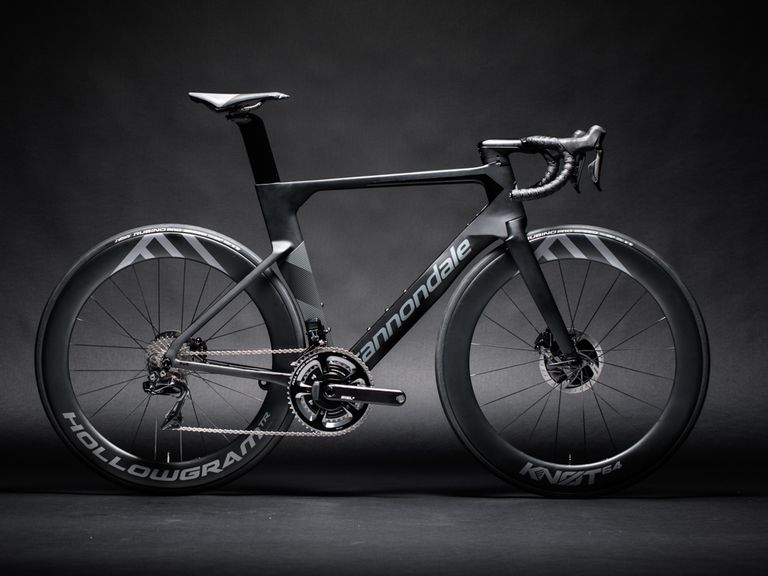
What sets a Cannondale racing bicycle apart? It’s the meticulous attention to materials, technology, and rider-focused design. Most models feature premium carbon fiber frames, like the BallisTec or Series 0 carbon, which provide superior strength while keeping weight minimal—often under 900 grams for high-end frames.
Aerodynamics play a crucial role, especially in models like the SystemSix, which integrates truncated airfoil shapes in the frame, fork, and seatpost to reduce drag by up to 30% compared to traditional round-tube designs. Technologies such as SAVE (Synapse Active Vibration Elimination) micro-suspension absorb road vibrations, enhancing comfort during long races without sacrificing stiffness.
Cannondale’s HollowGram wheels and integrated cockpits further optimize performance. For instance, the KNØT system hides cables internally for a cleaner look and better aero efficiency. Electronic shifting compatibility with groupsets from Shimano or SRAM ensures precise gear changes, vital for sprint finishes.
Safety and versatility are also key; many Cannondale racing bicycles include disc brakes for reliable stopping power in all weather conditions. These features make them ideal for everything from criteriums to gran fondos.
Exploring Popular Cannondale Racing Bicycle Models
Cannondale offers a range of racing bicycles tailored to different needs and budgets. Let’s break down some standout models based on current offerings and reviews.
The SuperSix EVO: The All-Around Champion
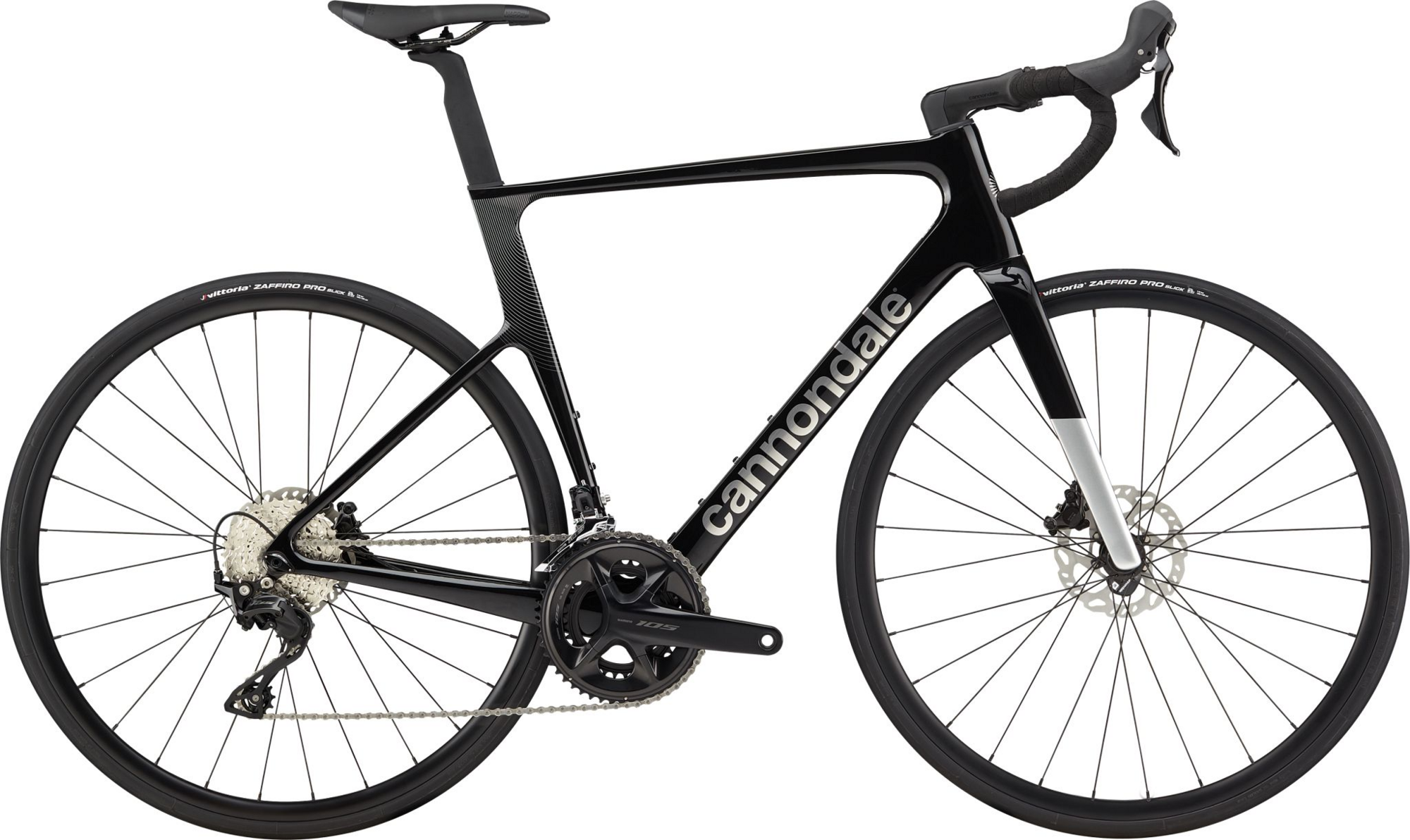
The SuperSix EVO is Cannondale’s flagship all-around racer, evolving from a lightweight climber to a aero-lightweight hybrid. Launched in 2008 and refined over generations, the latest versions boast a frame weight as low as 770 grams in the Hi-MOD variant. It’s equipped with Ultegra or Dura-Ace components, offering 12-speed shifting for smooth performance.
Cyclingnews highlights its blend of low weight and aerodynamics, making it perfect for hilly terrains and fast flats. Pro riders love it for its responsive handling—stiff where it counts but compliant for endurance. Prices start around $3,000 for entry-level models, scaling to over $10,000 for LAB71 editions with top-spec parts.
SystemSix: Aero-Optimized for Speed Demons
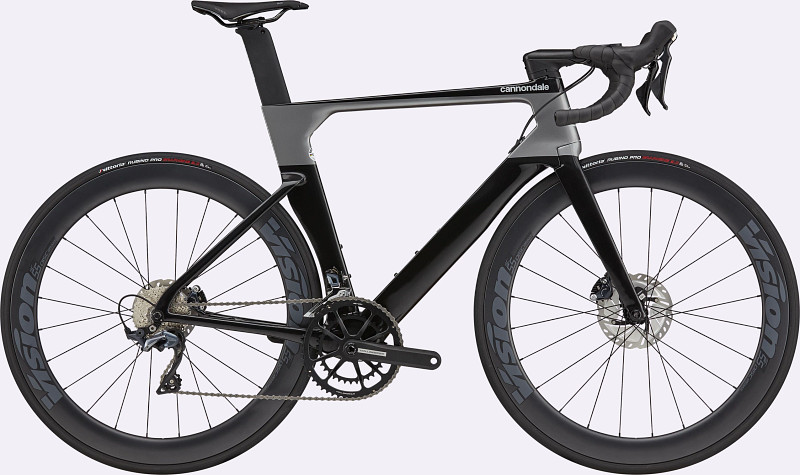
For those prioritizing flat-out speed, the SystemSix is Cannondale’s aero road bike. Introduced in 2018, it features a fully integrated design that saves watts—up to 50 watts at 30 mph, according to Cannondale’s wind tunnel tests. The carbon frame uses drag-reducing shapes, and it’s compatible with power meters for data-driven training.
Reviews from Bicycling magazine praise its stability at high speeds and efficient power transfer. It’s a favorite in sprint stages, with models like the Carbon Ultegra offering value at mid-range prices. If you’re chasing KOMs on Strava or competing in triathlons (with aero bars), this Cannondale racing bicycle delivers.
CAAD Series: Aluminum Excellence on a Budget
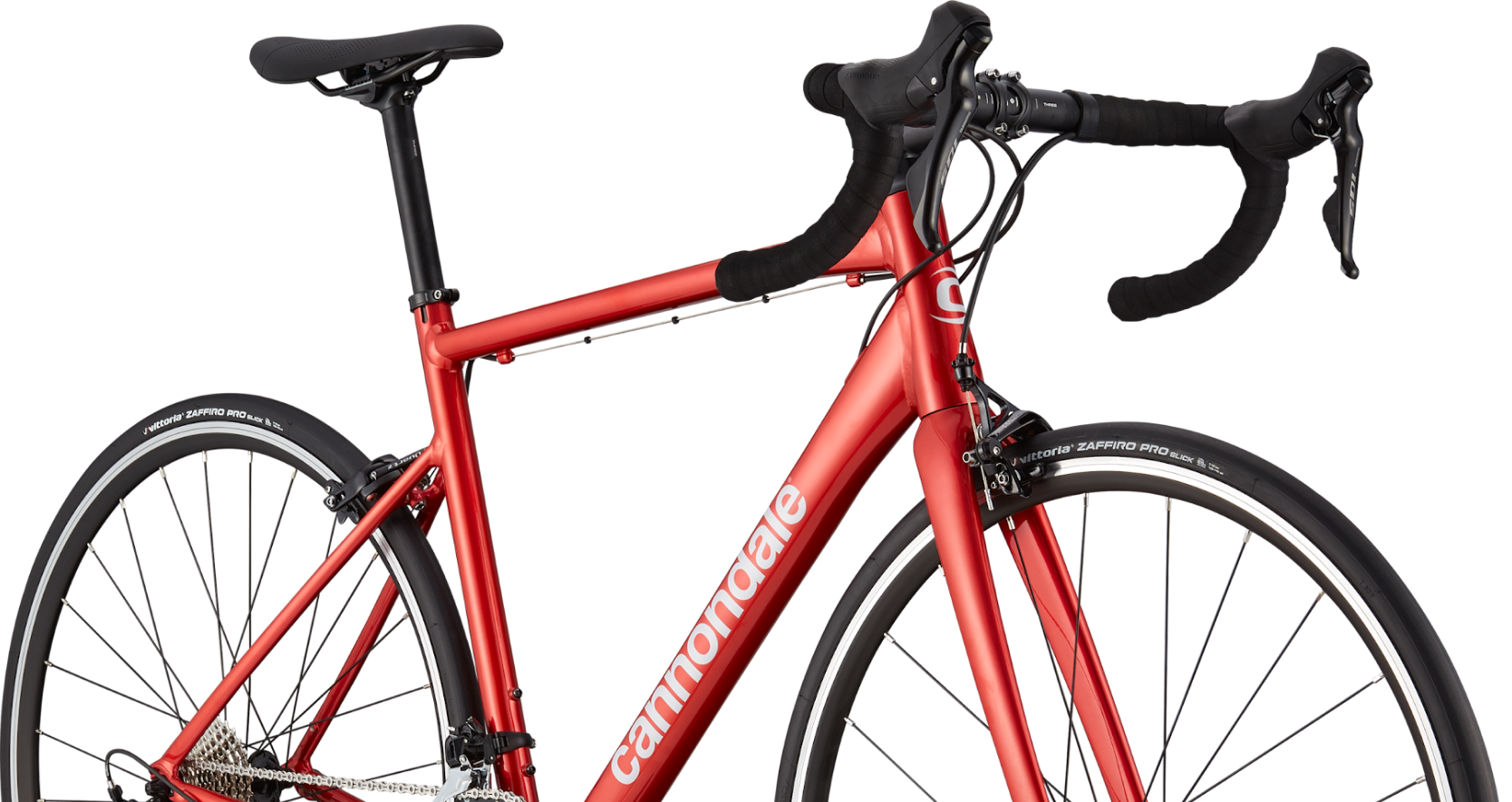
Don’t overlook the CAAD lineup for affordable performance. The CAAD Optimo and CAAD13 continue Cannondale’s aluminum legacy, with SmartForm C1 alloy frames that are lighter and stiffer than many carbon competitors. These bikes shine in crit racing, where quick acceleration is key.
Cyclist magazine reviewed the CAAD10 as a “benchmark” for aluminum bikes, noting its lively ride feel. Starting under $2,000, they’re accessible for beginners yet capable for upgrades. The Optimo series includes rim or disc brake options, ensuring versatility.
Other models like the Quick hybrid nod to Cannondale’s versatility, but for pure racing, stick to the road race category.
Performance Benefits: Why Choose a Cannondale Racing Bicycle?
Riding a Cannondale racing bicycle isn’t just about specs—it’s about the experience. These bikes excel in power efficiency, transferring every pedal stroke into forward motion. Professional cyclists, including those from sponsored teams, rely on them for Grand Tours, where marginal gains matter.
Comfort is another win; integrated vibration damping reduces fatigue, allowing longer training sessions. Aerodynamic advantages mean faster average speeds, crucial for time trials. Durability is top-notch—aluminum models withstand crashes better than fragile carbon, and warranties (often lifetime on frames) provide peace of mind.
User reviews on forums like Reddit and BikeForums emphasize reliability. One owner shared how their 1997 R800 CAD3 still performs flawlessly after decades. For fitness enthusiasts, these bikes encourage personal bests, blending fun with function.
Maintenance Tips for Your Cannondale Racing Bicycle
To keep your Cannondale racing bicycle performing at its peak, regular maintenance is essential. Start with cleaning: Use a soft brush and bike-specific cleaner to remove grime from the frame and drivetrain after rides. Lubricate the chain weekly, especially in wet conditions, to prevent wear.
Check tire pressure before every outing—most racing tires thrive at 80-100 PSI for optimal rolling resistance. Inspect brakes and cables monthly; disc brakes may need bleeding annually. For carbon frames, avoid high-pressure washers to prevent damage.
Professional tune-ups every 6-12 months ensure shifting accuracy and wheel trueness. Cannondale’s app and website offer resources like torque specs for DIY enthusiasts. Investing in quality tools pays off, extending your bike’s lifespan.
Comparing Cannondale Racing Bicycles to Competitors
How does a Cannondale racing bicycle stack up against brands like Trek or Specialized? Cannondale often edges out in innovation—its aero integrations are more seamless than Trek’s Madone in some tests. Weight-wise, the SuperSix EVO rivals the Specialized Tarmac SL7, but Cannondale’s pricing can be more competitive.
Reviews from Cyclingnews note Cannondale’s superior vibration damping compared to Pinarello’s Dogma, making it better for rough roads. However, if you prefer Italian flair, Cervélo might appeal more aesthetically. Ultimately, test rides are key; Cannondale’s geometry suits aggressive postures without discomfort.
Buying Guide: Selecting the Right Cannondale Racing Bicycle
Ready to purchase? Consider your riding style—climbers favor the SuperSix, sprinters the SystemSix. Budget matters: Entry-level at $2,000-4,000, pro-spec over $8,000. Sizing is crucial; use Cannondale’s fit guide or visit a dealer.
Look for deals on previous-year models. Accessories like pedals and helmets enhance the package. Online retailers like BikeExchange offer wide selections, but local shops provide fittings.
In summary, a Cannondale racing bicycle represents the pinnacle of cycling engineering, blending history, tech, and performance into a ride that’s hard to beat. Whether racing or recreational, it elevates every pedal. Explore one today and feel the difference.