
Exploring the Cannondale Bike Company: A Legacy of Innovation in Cycling
In the world of cycling, few names resonate as strongly as the Cannondale bike company. Known for pushing the boundaries of bicycle design and performance, this brand has carved out a unique niche among enthusiasts and professionals alike. Whether you’re a road racer, a mountain trail adventurer, or someone looking for an efficient commuter, the Cannondale bike company offers something for every rider. In this in-depth blog post, we’ll dive into the rich history, groundbreaking technologies, diverse product range, and the reasons why so many cyclists swear by their bikes. Let’s pedal through the story of this iconic brand.
The Origins and Evolution of the Cannondale Bike Company
The Cannondale bike company traces its roots back to 1971, when it was founded by Joe Montgomery and Murdock MacGregor in Wilton, Connecticut. Interestingly, the company didn’t start out making bicycles at all. Its initial focus was on precast concrete housing, but that venture didn’t take off as planned. Instead, the team pivoted to innovative outdoor gear after a camping trip inspired Montgomery to create the “Bugger” bicycle trailer—a lightweight, hitch-equipped trailer that quickly gained popularity at bike shows.
Within months, the Cannondale bike company became the world’s largest producer of lightweight bicycle bags, expanding into backpacks, tents, and other camping equipment. The name “Cannondale” itself comes from the Cannondale Metro-North train station near their original location, adding a touch of local flavor to the brand. By the early 1980s, with the addition of talents like Todd Patterson, who developed advanced welding techniques for aluminum frames, the company made its foray into bicycle manufacturing. Their first mountain bike, the SM-500, hit the market in 1984, featuring a TIG-welded 6061 aluminum frame that was both lightweight and durable.
The 1990s marked a period of rapid growth and innovation for the Cannondale bike company. They introduced game-changing features like the Headshok suspension system in 1992, which integrated a shock absorber directly into the head tube for smoother rides on rough terrain. This era also saw the launch of the CAAD (Cannondale Advanced Aluminum Design) series, starting with the 2.8 series frame that weighed just 2.8 pounds. Using computer-aided design and finite element analysis, these frames set new standards for stiffness and weight reduction.
However, growth wasn’t without challenges. The Cannondale bike company went public with a $22 million IPO in 1995, but ventures into motorsports—like off-road motorcycles and ATVs—led to financial strain. By 2003, they filed for bankruptcy protection due to losses in that division. Pegasus Capital Advisors acquired the assets, refocusing solely on bicycles. In 2008, Dorel Industries bought the company for about $200 million, and production largely shifted to Taiwan. The latest chapter came in 2022 when Dutch conglomerate Pon Holdings purchased Dorel Sports, making Cannondale part of a larger family that includes other cycling giants.
Today, headquartered in Wilton, Connecticut, with engineering offices in Freiburg, Germany, the Cannondale bike company continues to emphasize quality craftsmanship. Frames are primarily made in Taiwan, with assembly happening in various locations to meet regional demands. This global approach ensures that riders worldwide can access their cutting-edge designs.
Groundbreaking Innovations from the Cannondale Bike Company
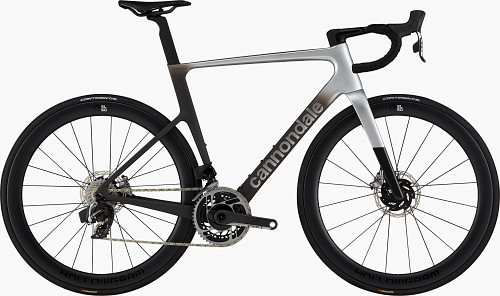
What sets the Cannondale bike company apart is its relentless pursuit of innovation. From the beginning, they’ve been pioneers in materials and engineering. Aluminum was their initial claim to fame, with the CAAD series evolving through generations—CAAD3 in 1997 adapted mountain bike tech for roads, while CAAD4 introduced S-bend seat stays for better compliance.
By the 2000s, carbon fiber became a staple. The 2004 Six13 model blended carbon tubes with aluminum rear triangles, offering a lightweight yet stiff ride. Although marketed aggressively (with slogans like “Legalize my Cannondale”), it held its own against competitors. The Cannondale bike company also developed the Hollowgram bottom bracket and crankset in 2001, which was 80 grams lighter and 10% stiffer than leading alternatives like Shimano’s Dura-Ace.
One of their most influential contributions is the BB30 standard, introduced in 2000. Featuring a 30mm spindle and 42mm shell with press-in bearings, it reduces weight and boosts stiffness but requires precise machining. While it’s harder to service than threaded options, it’s widely adopted today. Other innovations include the OnePointFive oversized headtube standard in 2001 and external bottom bracket bearings as early as 1992—features that are now industry norms.
In suspension, the Headshok system revolutionized front forks by placing the shock inside the head tube, allowing for an oversized design that improved handling. For mountain bikes, models like the Super V (1993) brought full-suspension with a banana-shaped swingarm, while the Scalpel (2002) focused on lightweight cross-country performance with adjustable travel.
Electric bikes are another area where the Cannondale bike company shines. Their e-bikes use Toshiba SCiB lithium-ion titanite batteries for reliable power, integrating seamlessly into road, mountain, and urban models. This blend of traditional cycling ethos with modern tech ensures riders get the best of both worlds.
Diverse Product Lineup: Bikes for Every Adventure
The Cannondale bike company offers an extensive range of bicycles, categorized to suit various riding styles. Let’s break it down:
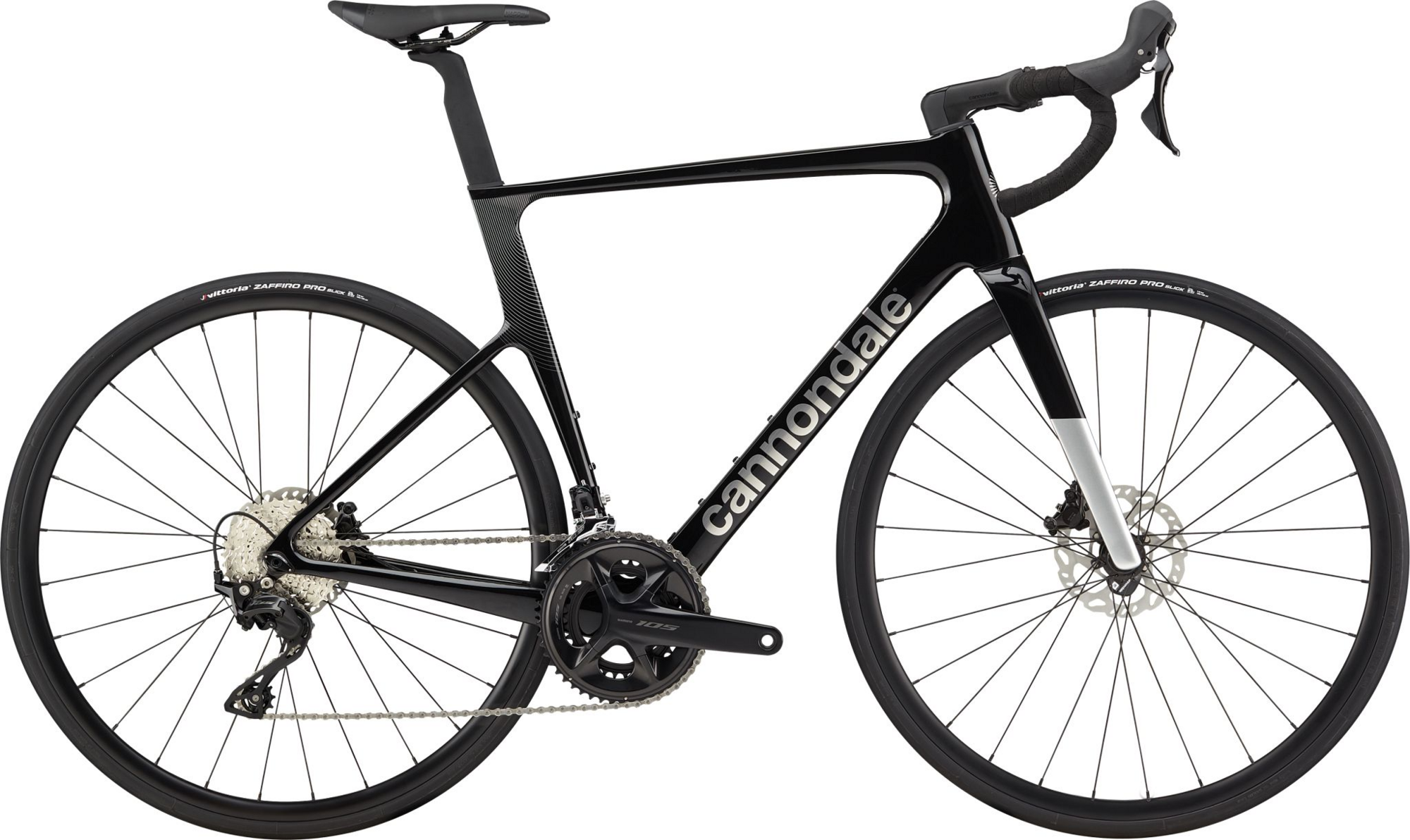
Road Bikes: For speed demons and endurance riders, the SuperSix EVO series stands out. These carbon fiber machines are aerodynamic, lightweight, and responsive, perfect for racing or long tours. The Synapse line, on the other hand, prioritizes comfort with vibration-damping features for all-day rides.
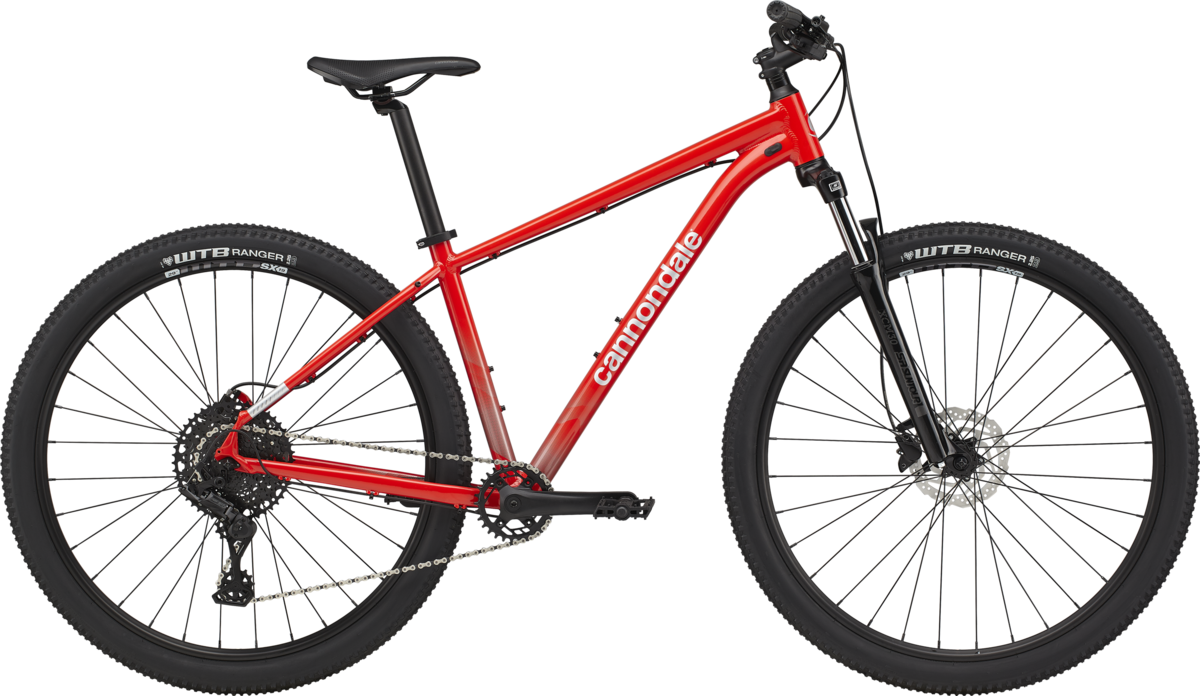
Mountain Bikes: Cannondale’s MTB legacy is legendary. The Trail series, like the Trail 5, provides affordable entry into off-road fun with reliable components and geometry suited for beginners to intermediates. For more aggressive riding, the Jekyll offers adjustable rear suspension (120-135mm travel), while the Habit delivers balanced trail performance. Full-suspension options like the Trigger 29 excel in enduro scenarios with 29-inch wheels for stability.
Gravel and Adventure Bikes: Blending road speed with off-road capability, models like the Topstone feature wide tire clearance and comfortable geometry for mixed-terrain exploration.
Electric Bikes: The Cannondale bike company has embraced e-mobility with lines like the Tesoro Neo for urban commuting and the Moterra Neo for electric mountain biking. These bikes provide pedal-assist power without compromising on the brand’s signature handling.
Kids and Urban Bikes: For younger riders, the Quick and Kids series offer scaled-down versions with safety features. Urban commuters appreciate the Treadwell for its upright position and versatility.
All bikes from the Cannondale bike company emphasize durability, with many featuring SmartForm aluminum or BallisTec carbon construction. Prices range from entry-level models around $500 to high-end pro builds exceeding $10,000, making them accessible yet aspirational.
Sponsorships, Achievements, and Community Impact
The Cannondale bike company has a storied history in professional cycling, sponsoring teams that have dominated races worldwide. In road racing, they backed Saeco from 1996-2004, where Mario Cipollini claimed multiple Tour de France stages and Giro d’Italia wins. Later, Liquigas-Cannondale (2007-2012) secured two Giro victories. The brand evolved through teams like Cannondale Pro Cycling (2013-2014), Cannondale-Garmin (2015), and eventually EF Education-EasyPost, which continues to compete at the highest levels.
In mountain biking, the Volvo Cannondale team (1994-2002) racked up 11 world championship golds and Olympic medals with riders like Alison Sydor and Missy Giove. The Cannondale Factory Racing team persists today, supporting athletes in cross-country and enduro events. Triathlon stars like Chrissie Wellington (three-time Ironman world champion) and Faris Al-Sultan have also ridden Cannondale to victory.
Beyond pros, the Cannondale bike company engages with the community through initiatives like the Bahati Foundation team in 2010, promoting diversity in cycling. Their innovations have influenced the industry, though not without hiccups—like the 2001 recall of the Super V Raven for pivot issues or the failed push for a 1 1/4-inch headset standard.
Why Riders Choose the Cannondale Bike Company
Choosing a bike from the Cannondale bike company means investing in quality, performance, and heritage. Riders praise the brand for its stiffness-to-weight ratios, which translate to efficient power transfer and responsive handling. While some note that press-fit bottom brackets can be finicky, the overall build quality is top-tier. Compared to competitors like Trek or Specialized, Cannondale often stands out for its bold designs and tech-forward approach.
For eco-conscious cyclists, the shift to sustainable practices under Pon Holdings is a plus, with efforts to reduce carbon footprints in manufacturing. Plus, with global distribution through retailers like Mike’s Bikes and Bike24, finding a Cannondale is easy.
Final Thoughts on the Cannondale Bike Company
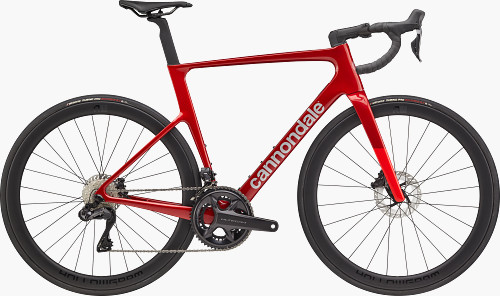
The Cannondale bike company has come a long way from its humble beginnings in a Connecticut train station shadow. Through ups and downs, including ownership changes and market challenges, it remains a beacon of innovation in the cycling world. Whether you’re eyeing a high-performance road bike, a rugged mountain rig, or an electric assist for daily commutes, their lineup delivers. As cycling evolves with new materials and technologies, expect the Cannondale bike company to lead the charge.
If you’re ready to experience the difference, check out their official website or a local dealer. Happy riding!