Discovering the Cannondale CAAD: A Timeless Icon in Road Cycling
In the world of road biking, few names evoke as much respect and admiration as the Cannondale CAAD series. Renowned for its innovative aluminum construction and race-ready performance, the Cannondale CAAD has been a staple for cyclists seeking speed, durability, and value without breaking the bank. Whether you’re a seasoned racer or a weekend warrior looking to upgrade your ride, this lineup offers something for everyone. In this comprehensive guide, we’ll dive deep into what makes the Cannondale CAAD stand out, exploring its history, features, models, and more. By the end, you’ll have a clear understanding of why this bike continues to dominate the aluminum road bike market.
The Origins and Evolution of the Cannondale CAAD Series
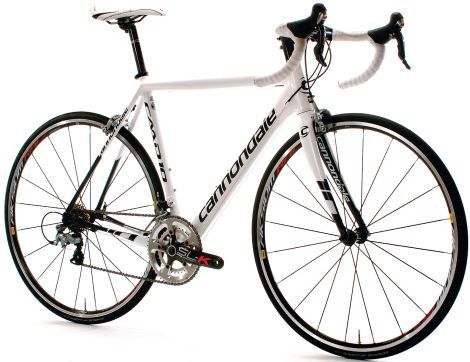
The story of the Cannondale CAAD begins in the early 1980s when Cannondale, an American brand founded in 1971, decided to revolutionize bicycle frames. At a time when steel dominated the industry, Cannondale introduced its first aluminum road frame in 1983. Priced at around $350 for the frame and fork, it featured a steel fork with helical reinforcement ribs for added strength. This marked the birth of what would become the Cannondale Advanced Aluminum Design – or CAAD – a technology that pushed the boundaries of what aluminum could achieve in cycling.
Over the decades, the Cannondale CAAD evolved through multiple iterations. The CAAD3, CAAD4, and CAAD5 models in the 1990s and early 2000s refined the geometry for better stiffness and ride quality, with incremental improvements like enhanced tube shaping. By the mid-2000s, the series had gained a cult following among competitive cyclists for its lightweight yet robust build. Fast forward to today, and the Cannondale CAAD has reached its 13th generation, the CAAD13, which Cannondale describes as the pinnacle of high-performance aluminum frames. For nearly four decades, these bikes have set the standard, blending cutting-edge engineering with real-world reliability.
What sets the Cannondale CAAD apart is its commitment to aluminum in an era obsessed with carbon fiber. While carbon offers weight savings, aluminum provides unmatched durability and a responsive feel that’s hard to replicate. Riders often praise the “realness” of the ride – that direct connection to the road that makes every pedal stroke feel purposeful.
Key Features That Define the Cannondale CAAD Experience
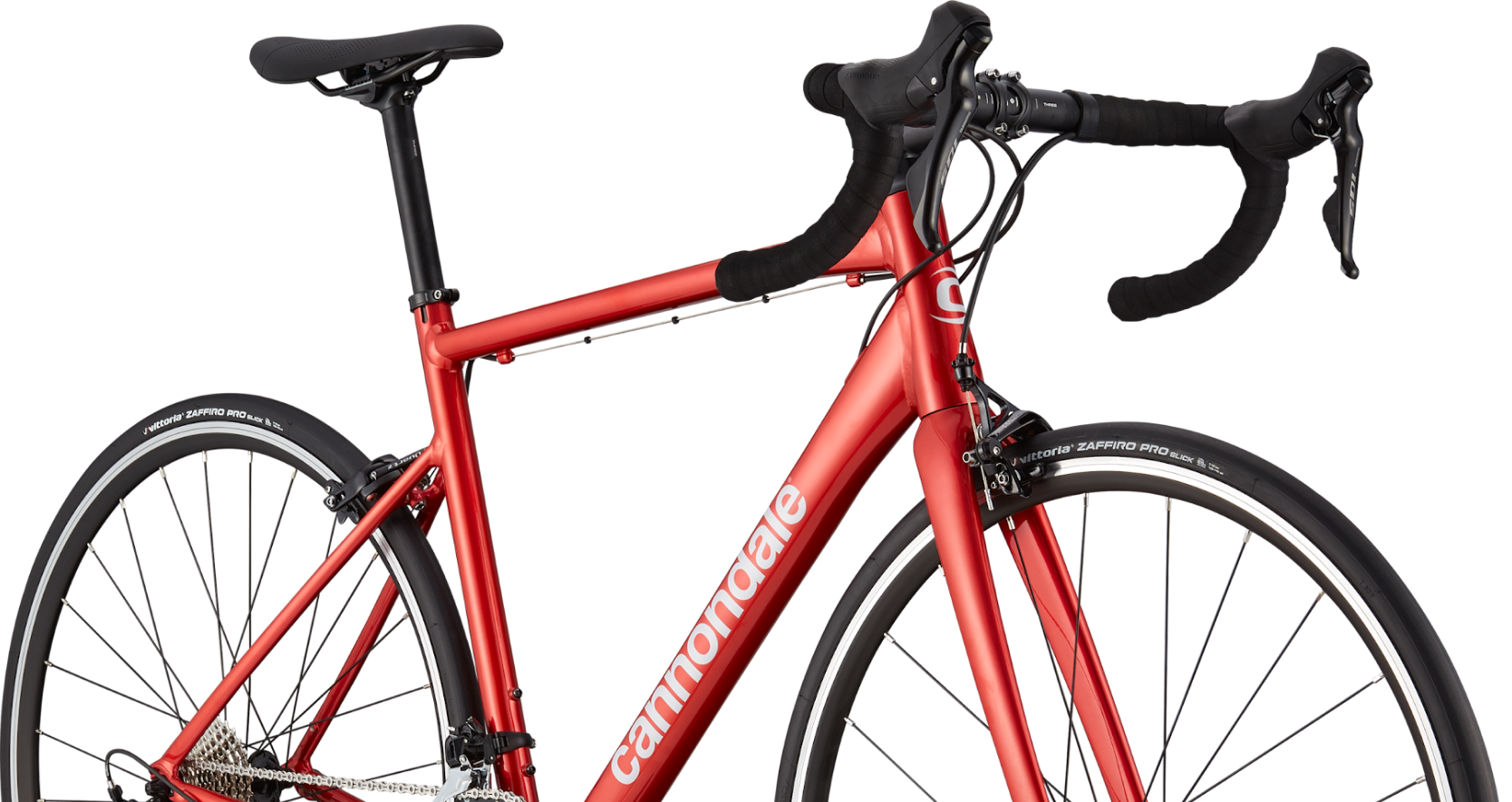
At the heart of every Cannondale CAAD bike is its advanced aluminum frame. Using proprietary alloys and sophisticated welding techniques, Cannondale engineers create frames that are incredibly light – often rivaling entry-level carbon models – while maintaining exceptional stiffness for efficient power transfer. The SAVE (Synapse Active Vibration Elimination) technology, integrated into many models, helps absorb road vibrations, ensuring a smoother ride without sacrificing speed.
Geometry plays a crucial role too. The Cannondale CAAD series typically features a race-oriented setup with a steep head angle for quick handling and a short wheelbase for agility. This makes it ideal for criteriums, hill climbs, and fast group rides. Aerodynamic elements, like truncated airfoil tube shapes in the CAAD13, reduce drag, allowing riders to slice through the wind more effectively.
Component-wise, the Cannondale CAAD comes equipped with reliable groupsets from Shimano, such as 105 or Ultegra, offering crisp shifting and powerful braking. Wheels are often lightweight alloys, and tires are chosen for grip and low rolling resistance. For those opting for higher-end builds, electronic shifting like Shimano Di2 is available, adding precision to an already impressive package.
One standout feature is the BB30 bottom bracket standard, pioneered by Cannondale. This oversized design enhances stiffness at the crank area, translating to better acceleration and climbing prowess. Combined with internal cable routing for a clean look and improved aerodynamics, the Cannondale CAAD feels modern and premium, even in its more affordable variants.
Exploring Popular Models in the Cannondale CAAD Lineup
The Cannondale CAAD family includes several models tailored to different budgets and riding styles. Let’s break down some of the most popular ones.
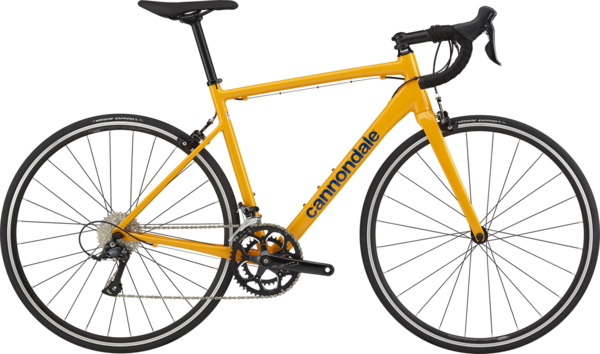
Starting with the entry-level Cannondale CAAD Optimo, this bike serves as a gateway to racing performance. Available in configurations like the Optimo 1, 3, and 4, it features a SmartForm C2 alloy frame that’s lightweight and efficient. The Optimo 1, for instance, comes with Shimano 105 components, making it a solid choice for beginners or those on a budget. Reviewers highlight its excellent handling and value, noting that it punches above its weight class in terms of speed and comfort.
Moving up the ladder, the Cannondale CAAD13 represents the flagship of the series. Described by Cannondale as the fastest and best-handling alloy race bike on the planet, it incorporates truncated airfoil tubing for aero gains and a full carbon fork for reduced weight. Models like the CAAD13 105 Di2 blend aluminum’s durability with electronic shifting, appealing to serious racers. Weighing in at around 8-9 kg depending on the build, it’s competitive even against carbon bikes in terms of performance.
Older models like the CAAD12 and CAAD10 still hold appeal in the used market. The CAAD12, for example, was praised for its stiffness and nimbleness, available with groupsets from Shimano 105 to Dura-Ace. These legacy bikes demonstrate the longevity of the Cannondale CAAD design – many riders swear by their vintage frames for training or commuting.
Performance Insights and Real-World Reviews
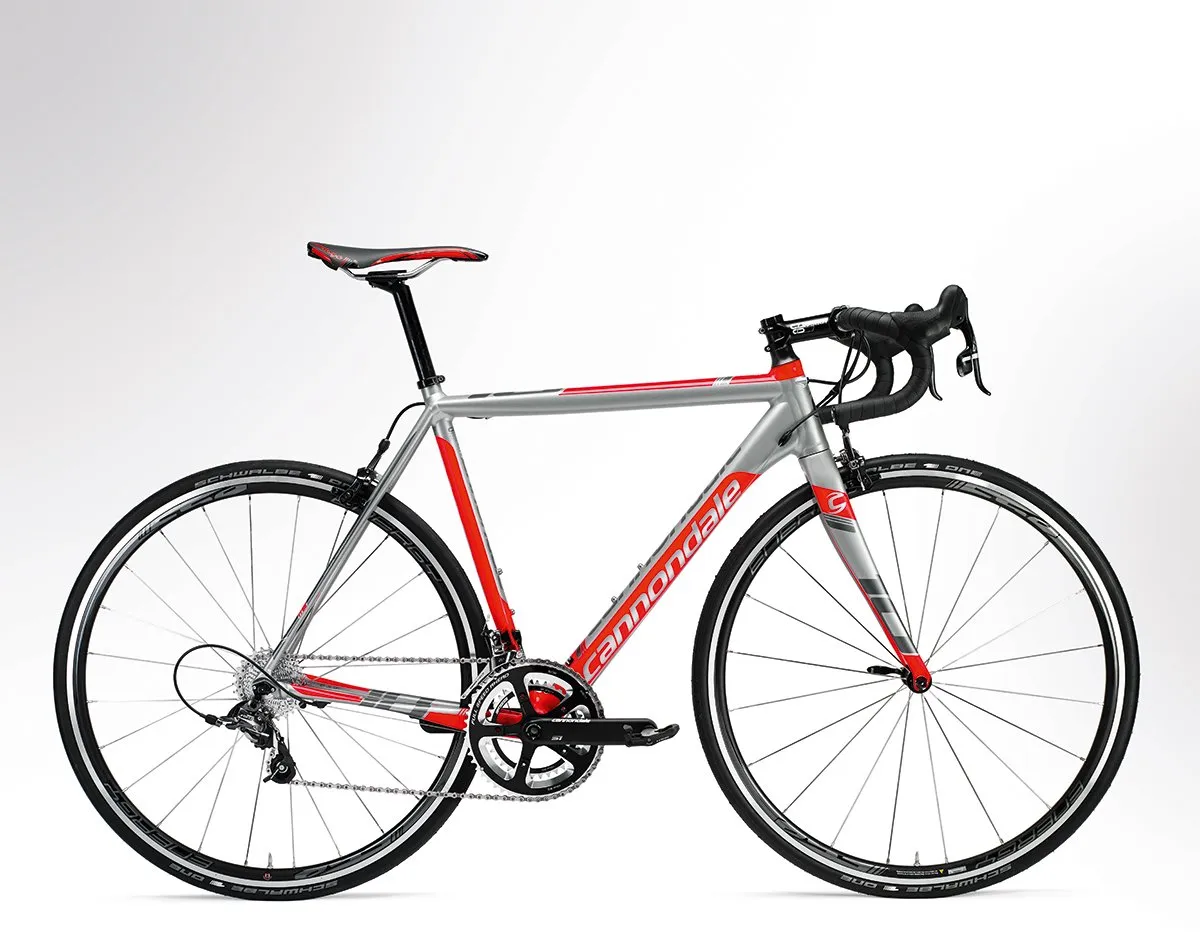
When it comes to on-the-road performance, the Cannondale CAAD excels in delivering a lively, engaging ride. Cyclists report that the frame’s stiffness translates to explosive acceleration, making it perfect for sprints and attacks. The responsive handling inspires confidence in corners and descents, while the vibration-damping features keep fatigue at bay during long rides.
Reviews from outlets like Cycling Weekly and BikeRadar are overwhelmingly positive. The CAAD12 was called “the pinnacle of aluminum road bikes,” with testers noting its race-like feel. Similarly, the CAAD Optimo 1 earned high marks for its affordability and versatility, scoring well in comfort and efficiency tests. Users on forums like Weight Weenies appreciate the frame’s evolution, from the early CAAD3 to the modern CAAD13, for consistent improvements in weight and ride quality.
Of course, no bike is perfect. Some riders mention that aluminum can feel harsher over rough roads compared to carbon, though SAVE technology mitigates this. Maintenance is straightforward, but the proprietary BB30 might require specific tools. Overall, the Cannondale CAAD scores high in value, with many owners keeping their bikes for years due to their durability.
How the Cannondale CAAD Stacks Up Against Competitors
In a crowded road bike market, the Cannondale CAAD holds its own against brands like Trek, Specialized, and Giant. Compared to the Trek Emonda ALR, the CAAD13 offers similar aluminum prowess but with a more aggressive geometry for racing. Versus the Specialized Allez, the Cannondale CAAD often edges out in stiffness and aero features, though the Allez might appeal for its broader size range.
For those eyeing carbon alternatives, the Cannondale CAAD provides a cost-effective entry point. It’s lighter and stiffer than many budget carbon bikes, and its aluminum construction means it’s less prone to damage from crashes or rough handling. If you’re debating between the CAAD Optimo and a basic carbon model, consider your priorities: aluminum for durability and value, carbon for ultimate weight savings.

A Buyer’s Guide to Choosing Your Cannondale CAAD
Selecting the right Cannondale CAAD starts with assessing your needs. For entry-level riders, the Optimo series offers builds under $2,000 with reliable components. Mid-range options like the CAAD13 with 105 groupset hover around $2,500-$3,000, providing pro-level performance. High-end versions with Di2 or Ultegra can push $4,000+, ideal for competitive cycling.
Fit is crucial – Cannondale offers sizes from 44cm to 62cm, accommodating a wide range of heights. Test ride if possible to ensure the geometry suits your style. Accessories like pedals, saddles, and wheels can be upgraded later, but start with a solid frame.
Maintenance tips: Keep the aluminum frame clean to prevent corrosion, and regularly check the BB30 for creaks. With proper care, a Cannondale CAAD can last a decade or more.
Why the Cannondale CAAD Remains a Top Choice for Cyclists
In conclusion, the Cannondale CAAD series embodies the essence of high-performance cycling without the premium price tag of carbon. From its humble beginnings in 1983 to the sophisticated CAAD13 today, it has consistently delivered speed, handling, and durability. Whether you’re chasing personal bests on Strava or enjoying scenic routes, this bike series offers an unparalleled blend of technology and tradition.
If you’re in the market for a road bike that feels alive and responsive, look no further than the Cannondale CAAD. It’s not just a bike; it’s a legacy on wheels. Ready to hit the road? Check out local dealers or Cannondale’s website for the latest models and deals.