
Cannondale Mountain Bikes: Your Ultimate Guide to Conquering the Trails
In the world of off-road cycling, few brands capture the spirit of adventure quite like Cannondale. Known for their innovative designs and high-performance engineering, Cannondale mountain bikes have become a staple for riders seeking reliability, speed, and durability on rugged terrains. Whether you’re a beginner dipping your toes into trail riding or a seasoned pro tackling steep descents, Cannondale mountain bikes offer something for everyone. This comprehensive guide dives deep into the history, types, features, and top models of Cannondale mountain bikes, helping you make an informed decision for your next ride.
The Rich History of Cannondale Bikes
Cannondale’s journey began in 1971, not with bicycles, but with innovative cycling accessories. Founded by Joe Montgomery in Wilton, Connecticut, the company started as a producer of bike trailers and touring bags, including the iconic aluminum Bugger trailer. This early focus on practical gear laid the foundation for Cannondale’s commitment to innovation. By 1983, Cannondale entered the bicycle market with its first aluminum touring bike, the ST-500, which revolutionized the industry with its oversized aluminum tubing for enhanced stiffness and lighter weight.
The brand quickly expanded into mountain biking in 1984, introducing models that stood out with their aluminum frames at a time when steel dominated. Over the decades, Cannondale has pushed boundaries with technologies like the HeadShok suspension fork and Lefty single-sided fork, which became signatures of their mountain bike lineup. Despite facing financial challenges, including a bankruptcy filing in 2003 due to an ambitious expansion into motorsports, Cannondale bounced back under new ownership and continued to innovate. Today, as part of the Pon Holdings group, Cannondale remains a leader in the cycling world, with a legacy of over 50 years of crafting bikes that “just work better.”
This history of resilience and creativity is evident in every Cannondale mountain bike, blending American ingenuity with cutting-edge materials to deliver exceptional performance on the trails.
Exploring the Types of Cannondale Mountain Bikes
Cannondale mountain bikes come in various categories, each tailored to specific riding styles and terrains. From speedy cross-country racers to burly enduro machines, understanding these types will help you find the perfect fit.
Cross-Country (XC) Bikes
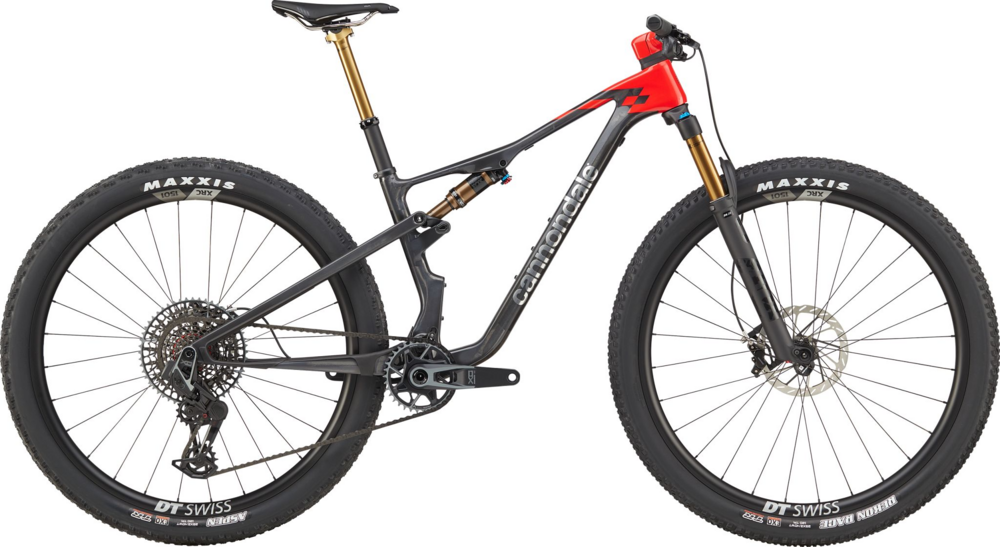
Cross-country Cannondale mountain bikes are built for efficiency and speed, ideal for long-distance rides, races, and smoother trails. These bikes emphasize lightweight construction and quick handling. Popular in this category is the Scalpel series, which features short suspension travel (around 100-120mm) and large 29-inch wheels for rolling over obstacles with ease. Hardtail options like the Scalpel HT provide a rigid rear for better pedaling efficiency, while full-suspension models offer added comfort without sacrificing speed.
For 2025, the Scalpel has been updated with 20mm more travel than previous versions, making it even more capable on technical sections while maintaining its race-ready DNA. If you’re into competitive riding or want a bike that excels on climbs, XC Cannondale mountain bikes are a top choice.
Trail Bikes
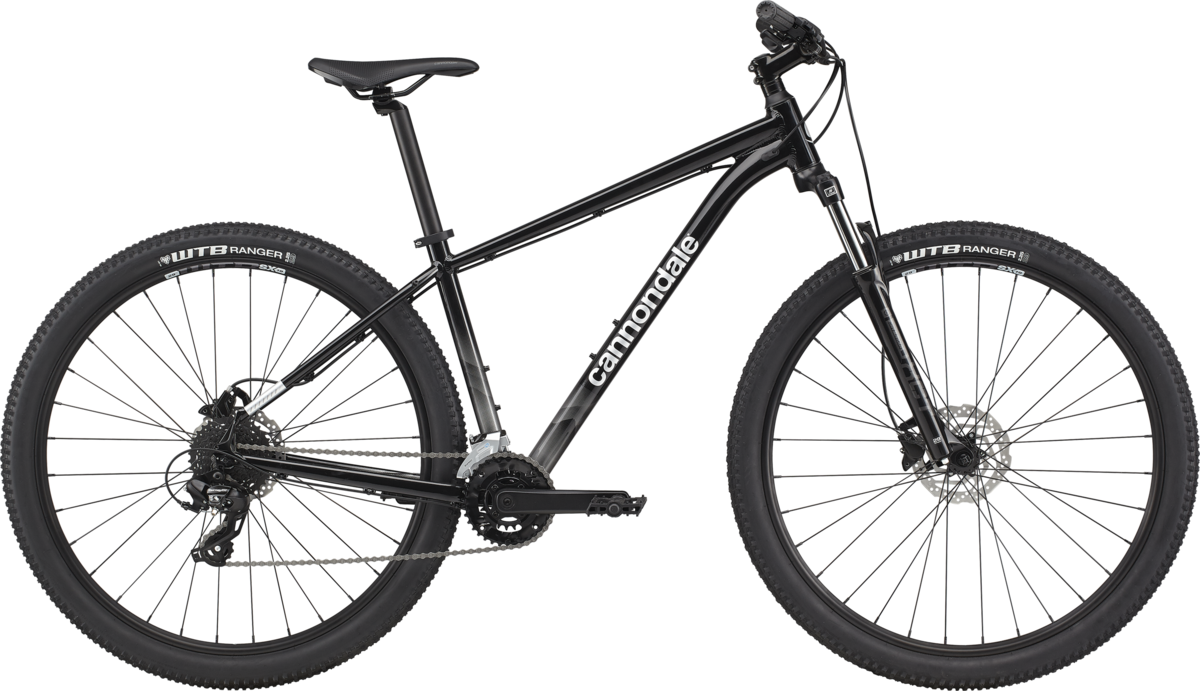
Trail Cannondale mountain bikes strike a balance between climbing prowess and descending fun, making them versatile for everyday riders. With suspension travel between 120-140mm, these bikes handle a mix of terrains, from flowy singletracks to rocky paths. The Habit and Trail series are standout examples, featuring progressive geometry for confident handling and components like dropper posts for quick adjustments on the fly.
Entry-level Trail models, such as the Trail 7, start with aluminum frames and hydraulic disc brakes, offering great value for beginners. Higher-end versions incorporate carbon fiber for reduced weight and improved ride quality. These Cannondale mountain bikes are perfect if you want an all-rounder that doesn’t specialize in one extreme.
Enduro/All-Mountain Bikes
For aggressive riders tackling steep descents and technical climbs, enduro Cannondale mountain bikes like the Jekyll deliver with 140-170mm of suspension travel. These full-suspension beasts feature slack geometry for stability at high speeds and powerful brakes for control. The Jekyll, in particular, has been praised for its innovative four-bar linkage suspension that provides excellent traction and pedaling efficiency.
In 2025, models like the Jekyll 1 and 2 continue to shine in enduro comparisons, offering a mix of agility and durability that’s hard to beat. If your rides involve big drops and rough terrain, these Cannondale mountain bikes will keep you grinning from ear to ear.

Downhill Bikes
Downhill Cannondale mountain bikes are engineered for gravity-fed thrills, with massive 180-200mm suspension travel and robust frames to handle bike park jumps and high-speed runs. While Cannondale’s focus has shifted more toward trail and enduro in recent years, legacy models like the Super V series from the 90s set the standard for downhill performance. Current offerings emphasize durability with features like reinforced aluminum or carbon frames and coil shocks for consistent damping.
These bikes are less about pedaling up and more about bombing down, making them ideal for lift-accessed parks.
Electric Mountain Bikes (E-MTBs)
Cannondale’s electric mountain bikes, such as the Moterra Neo, bring pedal-assist power to the trails, allowing riders to conquer longer distances and steeper climbs with ease. Integrated Bosch or Shimano drive systems provide up to 85Nm of torque, paired with full-suspension setups for a natural riding feel. The Moterra SL LAB71, a top-tier model, combines lightweight carbon construction with advanced battery tech for extended range.
E-MTBs like these expand access to challenging terrains, making Cannondale mountain bikes inclusive for all fitness levels.
Key Features and Technologies in Cannondale Mountain Bikes
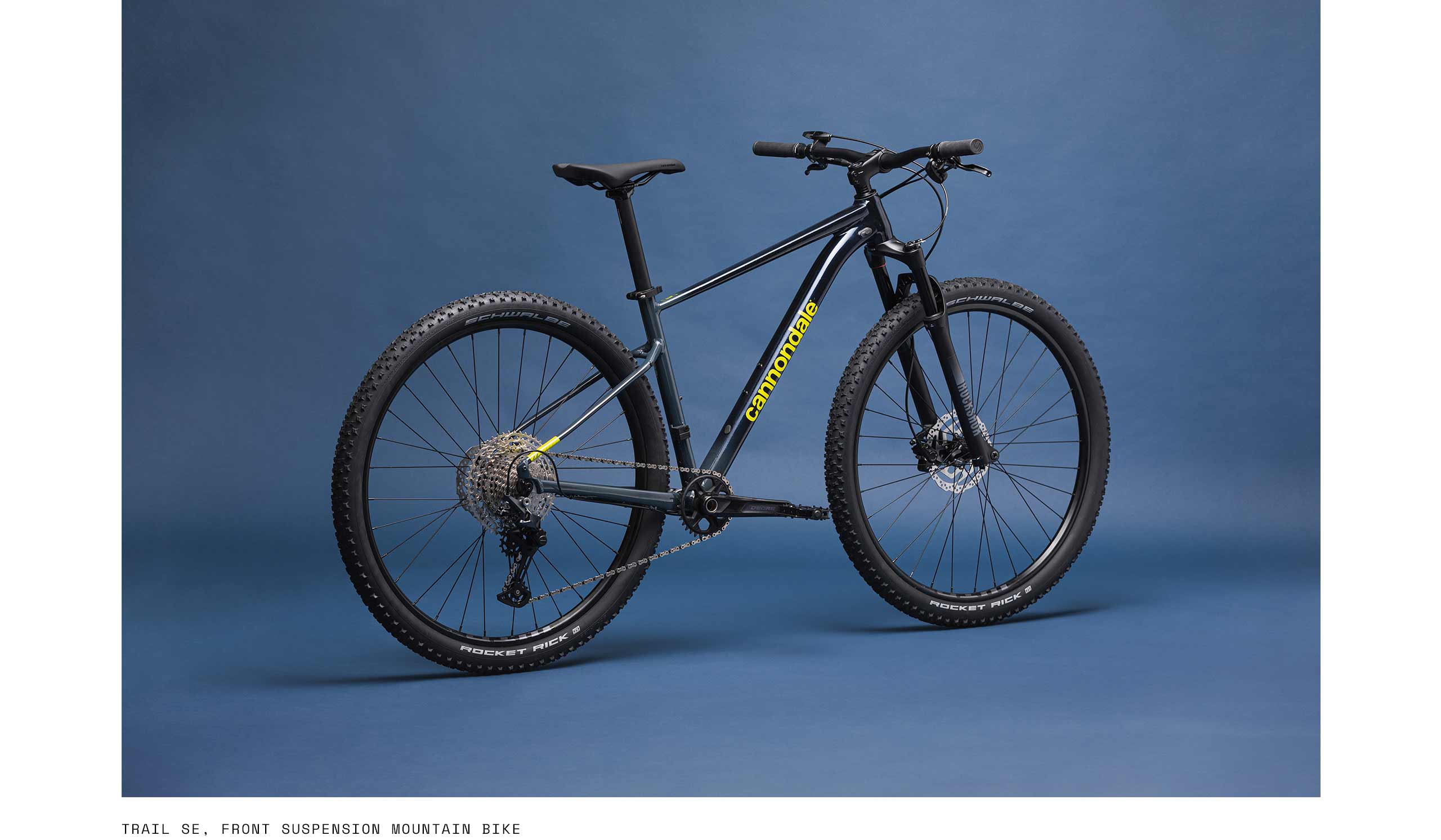
What sets Cannondale mountain bikes apart is their proprietary technologies. Frames are often made from SmartForm aluminum or BallisTec carbon, offering a perfect blend of strength, lightness, and compliance. Suspension systems like Proportional Response tune the kinematics based on frame size for optimal performance across rider heights.
Brakes are predominantly hydraulic discs for superior stopping power, while drivetrains range from 10-speed entry-level to 12-speed Shimano XT on premium models. Wheel sizes vary—29ers for stability in XC and trail, 27.5″ for maneuverability in enduro. Innovations like the Lefty Ocho fork provide unmatched stiffness with reduced weight, enhancing steering precision.
These features ensure Cannondale mountain bikes deliver a smooth, responsive ride, whether you’re navigating roots or flying over jumps.
Popular Cannondale Mountain Bike Models in 2025
2025 brings exciting updates to Cannondale’s lineup. The Scalpel Lab71 Team is a pinnacle XC racer with ultra-light carbon and top-spec components, priced around $14,000. For trail enthusiasts, the Habit LT 2 offers 140mm rear travel and aggressive geometry for versatile fun.
Budget-friendly options like the Trail 2 provide solid performance with alloy frames and reliable shifting, making entry into Cannondale mountain bikes accessible. The Jekyll 2 stands out in enduro, with its high-pivot design for better traction. For e-bikes, the Moterra SL excels in all-mountain duties.
How to Choose the Right Cannondale Mountain Bike
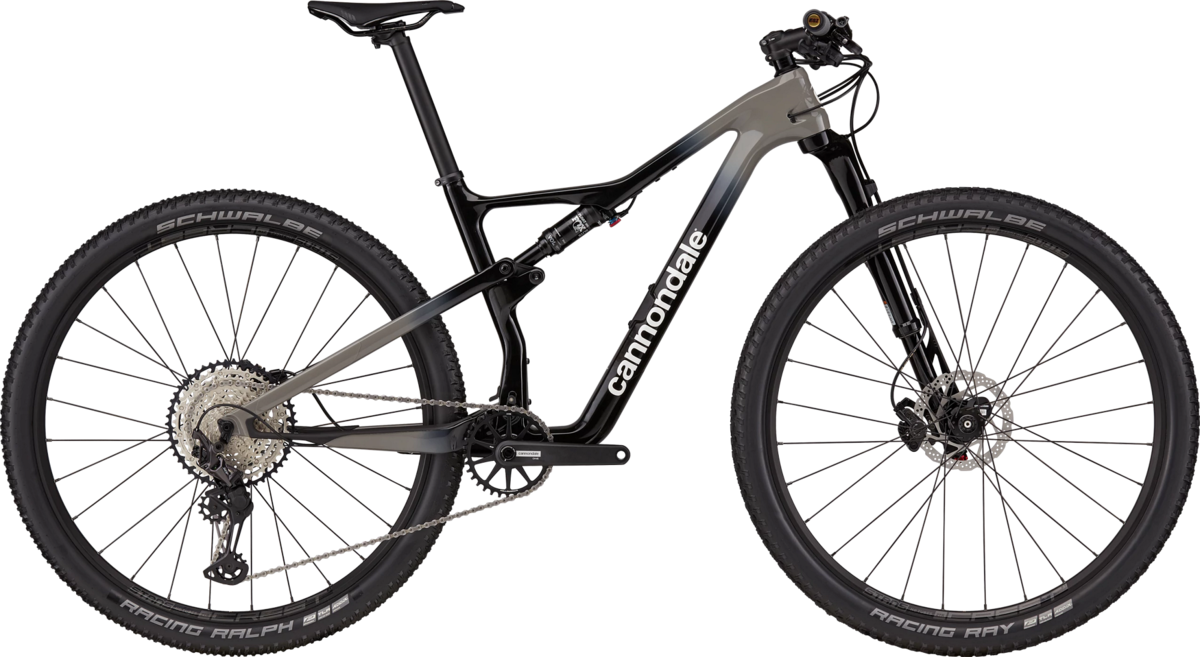
Selecting from Cannondale mountain bikes starts with your riding style—XC for speed, trail for versatility, enduro for aggression. Budget is key: Entry-level models hover around $1,000-$1,500 with aluminum frames, while premium ones exceed $3,000 with carbon and advanced tech.
Consider fit: Measure your inseam for stand-over height and test ride at a dealer. Wheel size matters—29″ for taller riders, 27.5″ for agility. Don’t forget accessories like helmets and pedals.
Cannondale mountain bikes are available at authorized dealers, online retailers like BikeExchange, or sites like Mike’s Bikes.
Maintenance and Care for Your Cannondale Mountain Bike
To keep your Cannondale mountain bike performing at its best, regular maintenance is essential. Clean the frame and drivetrain after muddy rides to prevent wear. Check tire pressure weekly—typically 25-35 PSI for trails—and inspect brakes for pad wear.
Lubricate the chain every 100-200 miles, and service suspension forks annually. For e-bikes, monitor battery health and charge properly. Cannondale’s bike archive offers manuals for specific models. Proper care extends the life of your investment, ensuring countless adventures.

Why Choose Cannondale Mountain Bikes?
Cannondale mountain bikes embody innovation, quality, and passion for cycling. With a model for every rider and terrain, they offer unmatched value and performance. Whether exploring local trails or competing in races, these bikes empower you to push limits. Ready to hit the dirt? Visit a Cannondale dealer today and experience the difference.