
Ultimate Guide to Cannondale MTB: Exploring Models, Features, and Essential Tips
Mountain biking enthusiasts know that choosing the right bike can make all the difference in conquering trails, racing through forests, or simply enjoying a weekend ride. When it comes to high-performance options, Cannondale MTB stands out as a top choice for riders of all levels. With a legacy of innovation and a commitment to quality, Cannondale MTB bikes blend cutting-edge technology with durable designs to handle everything from smooth cross-country paths to rugged downhill descents. In this comprehensive guide, we’ll dive deep into the world of Cannondale MTB, covering its history, popular models, key features, buying advice, and maintenance tips to help you get the most out of your riding experience.
Whether you’re a beginner looking for your first trail bike or an experienced rider seeking an upgrade, understanding what makes Cannondale MTB special is key. These bikes are engineered for efficiency, comfort, and thrill, making them a favorite among cyclists worldwide. Let’s start by exploring the roots of this iconic brand.
The Rich History of Cannondale MTB
Cannondale’s journey began in 1971 in Wilton, Connecticut, not with bicycles, but with innovative cycling accessories like trailers and backpacks for touring cyclists. Founded above a pickle factory, the company quickly gained a reputation for craftsmanship and out-of-the-box thinking. It wasn’t until 1983 that Cannondale produced its first bicycle—a touring model called the ST500, which featured oversized aluminum tubing for enhanced stiffness and lightness. This marked the beginning of Cannondale’s aluminum revolution, setting it apart from competitors who relied on steel frames.
By 1984, Cannondale entered the mountain bike market with the SM-500, its inaugural Cannondale MTB model. This bike was unique for its time, boasting a 26-inch front wheel and a larger 27-inch rear wheel, along with oversized aluminum tubes that provided superior strength without added weight. Throughout the 1990s, Cannondale MTB evolved rapidly, introducing groundbreaking features like the HeadShok suspension fork and CAAD (Cannondale Advanced Aluminum Design) frames. These innovations helped the brand dominate races and earn accolades in the cycling community.
In the 2000s, Cannondale expanded into carbon fiber technology with BallisTec frames, further lightening their bikes while maintaining durability. Today, under the ownership of Dorel Industries (acquired in 2008), Cannondale continues to push boundaries, incorporating electric assists and advanced suspension systems. The brand’s history is a testament to its dedication to performance, making Cannondale MTB a symbol of American ingenuity in the global cycling scene.
To visualize the evolution, here’s a glimpse of a vintage Cannondale MTB from the 1990s, showcasing the bold designs that defined the era.

Understanding the Types of Cannondale MTB
Cannondale MTB bikes are categorized based on riding styles, ensuring there’s a perfect fit for every terrain and preference. From lightweight racers to burly downhill machines, these bikes incorporate technologies like 29-inch wheels for stability and mid-travel suspension for balanced handling. Here’s a breakdown of the main categories:
Cross-Country (XC) Bikes
XC models in the Cannondale MTB lineup are built for speed and efficiency on long rides and races. With suspension travel ranging from 80-120mm, they prioritize lightweight frames and quick pedaling. Ideal for climbers and endurance riders, these bikes often feature lockable forks to save energy on smooth sections.
Trail Bikes
Trail Cannondale MTB options are versatile all-rounders, perfect for mixed terrains. They offer 120-140mm of suspension travel, making them capable of handling jumps, roots, and drops while remaining climb-friendly. Hardtail versions provide affordability for beginners, while full-suspension models add comfort for longer adventures.
All-Mountain/Enduro Bikes
For aggressive riding, enduro Cannondale MTB bikes like those in the all-mountain category deliver 140-180mm of travel. They’re designed for fast descents on rocky paths but still pedal well uphill, striking a balance for riders who want thrill without sacrificing versatility.
Downhill/Park Bikes
Downhill-focused Cannondale MTB models emphasize stability at high speeds, with 180-200mm of suspension and robust frames. Suited for bike parks and steep trails, they’re less about pedaling and more about control during intense drops.
Electric Mountain Bikes (E-MTB)
E-MTB variants amplify the fun, adding motor assistance for extended range. They adapt to any category, from XC to enduro, and are great for tackling challenging climbs with ease.
Each type leverages Cannondale’s signature tech to enhance performance, ensuring riders get a bike tailored to their needs.
Top Cannondale MTB Models to Consider
Cannondale offers a diverse range of models, each with unique specs to match different budgets and riding styles. Here’s a closer look at some standout options, complete with features and real-world insights.
Cannondale Scalpel: The XC Powerhouse
The Scalpel series is a flagship Cannondale MTB for cross-country enthusiasts. Built with BallisTec carbon frames, it weighs in lightly while offering 100-120mm of flex-stay suspension for efficient power transfer. Models like the Scalpel Carbon SE feature 29-inch wheels, SRAM drivetrains, and dropper posts for quick adjustments. Priced from $3,000 to $6,000, it’s praised for its race-ready geometry and bump absorption, making it ideal for competitive riders.
See the Scalpel in action on challenging trails:


Cannondale Trail Series: Versatile Hardtails
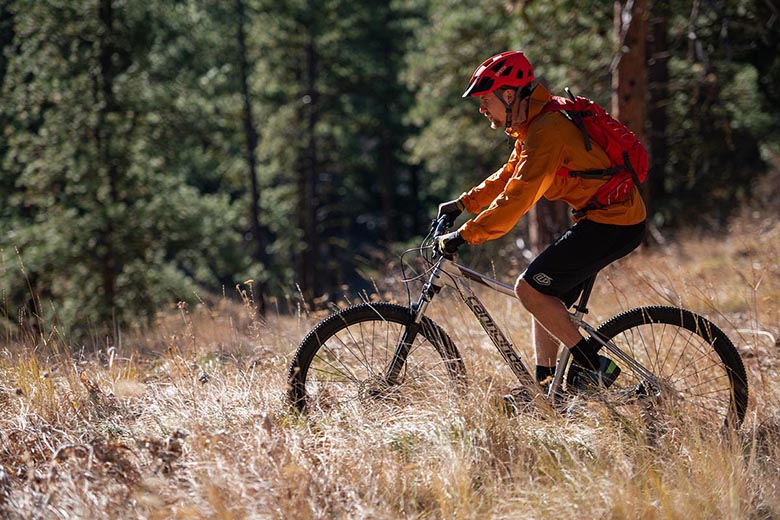
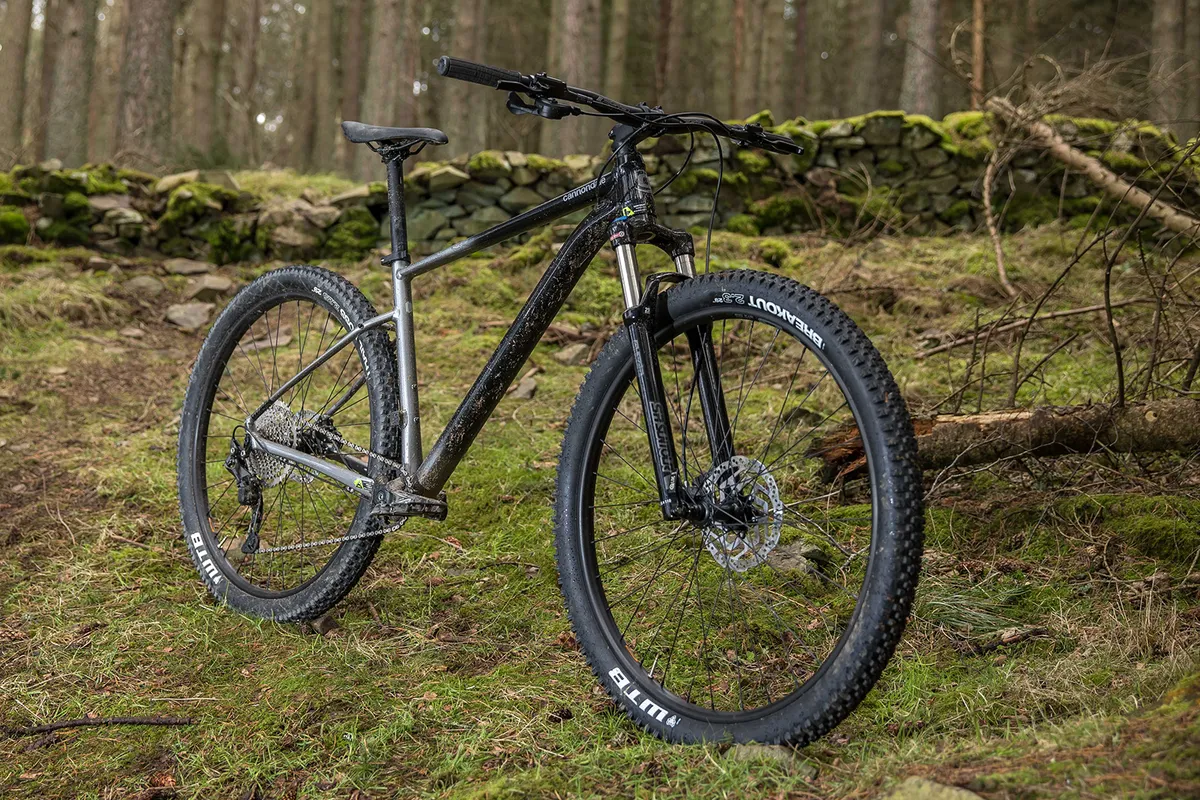
For budget-conscious riders, the Trail lineup provides excellent entry-level Cannondale MTB options. These aluminum hardtails, like the Trail 5 or SE 4, come with SmartForm frames, 100mm forks, and wide-range gearing. Starting at around $1,000, they’re durable for forest paths and feature progressive geometry for confident handling. Reviews highlight their value, with users noting smooth rides on moderate trails.
Experience the Trail on a wooded adventure:
Cannondale Habit: Full-Suspension Trail Master
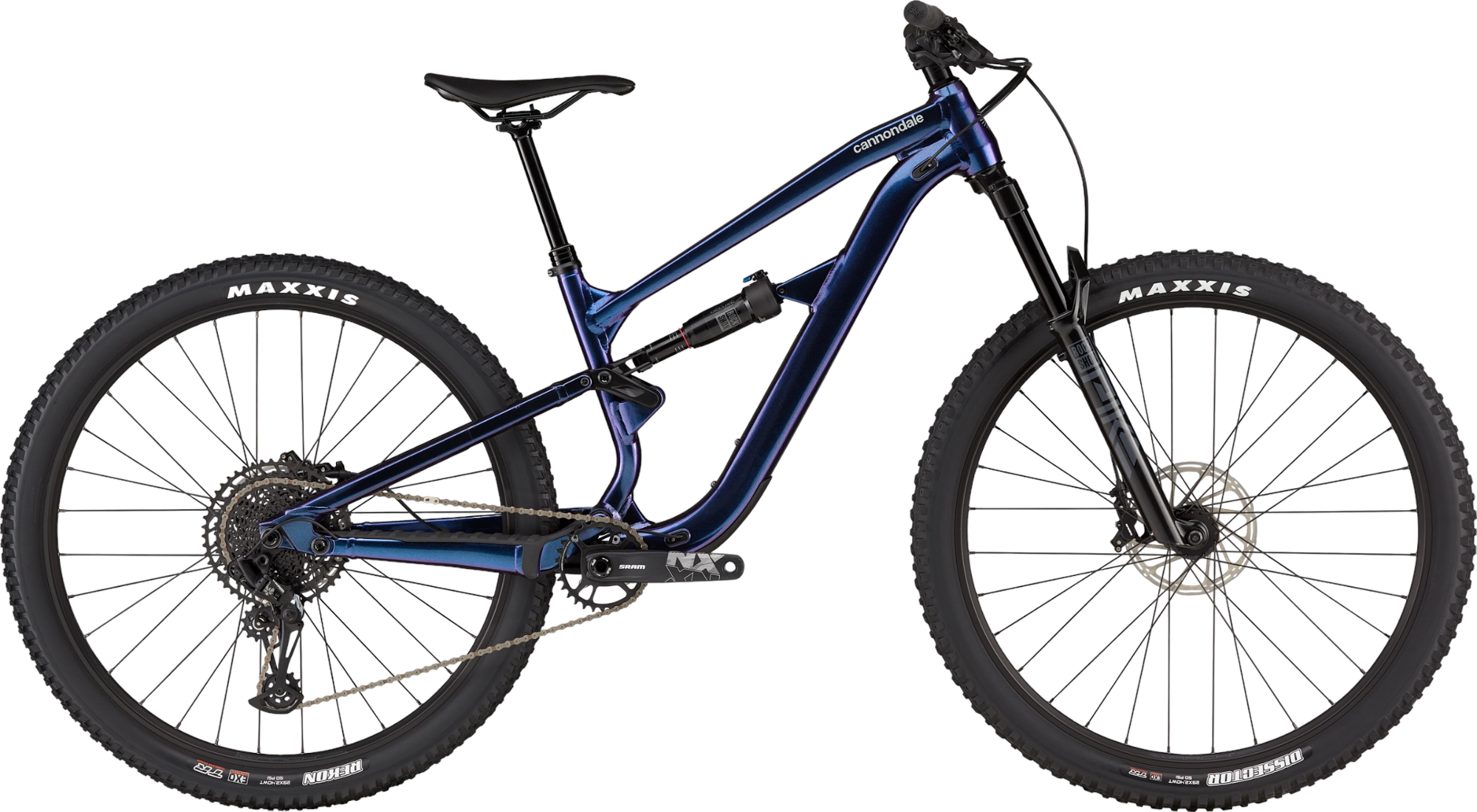
The Habit is a go-to full-suspension Cannondale MTB for trail riding, with 130-140mm travel and proportional response suspension that tunes to rider size. Carbon or aluminum frames keep it agile, and features like flip chips allow geometry tweaks. Ranging from $2,500 to $5,000, it’s lauded for its playful handling and climbing prowess in reviews.
Watch the Habit conquer varied terrain:

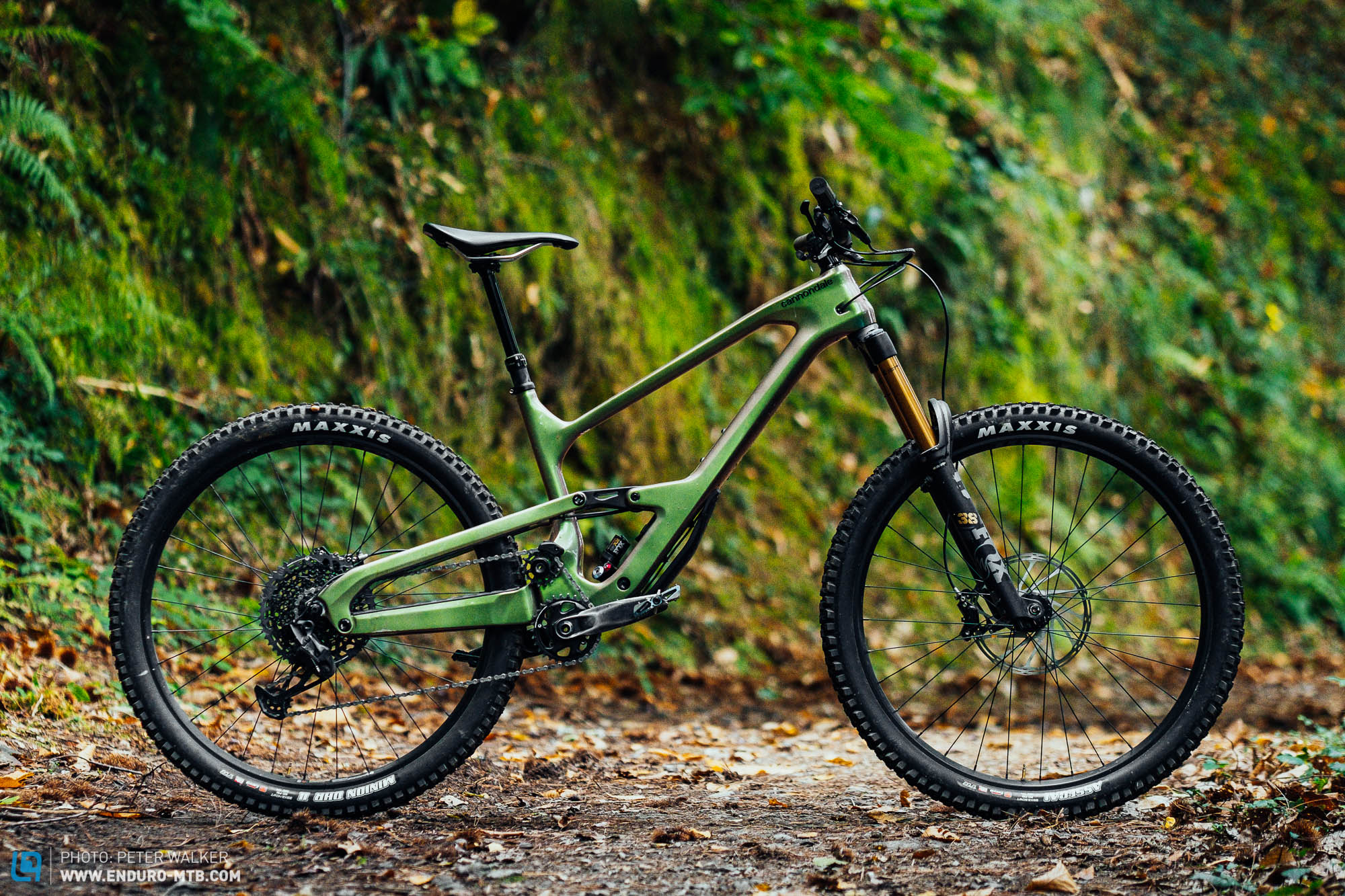
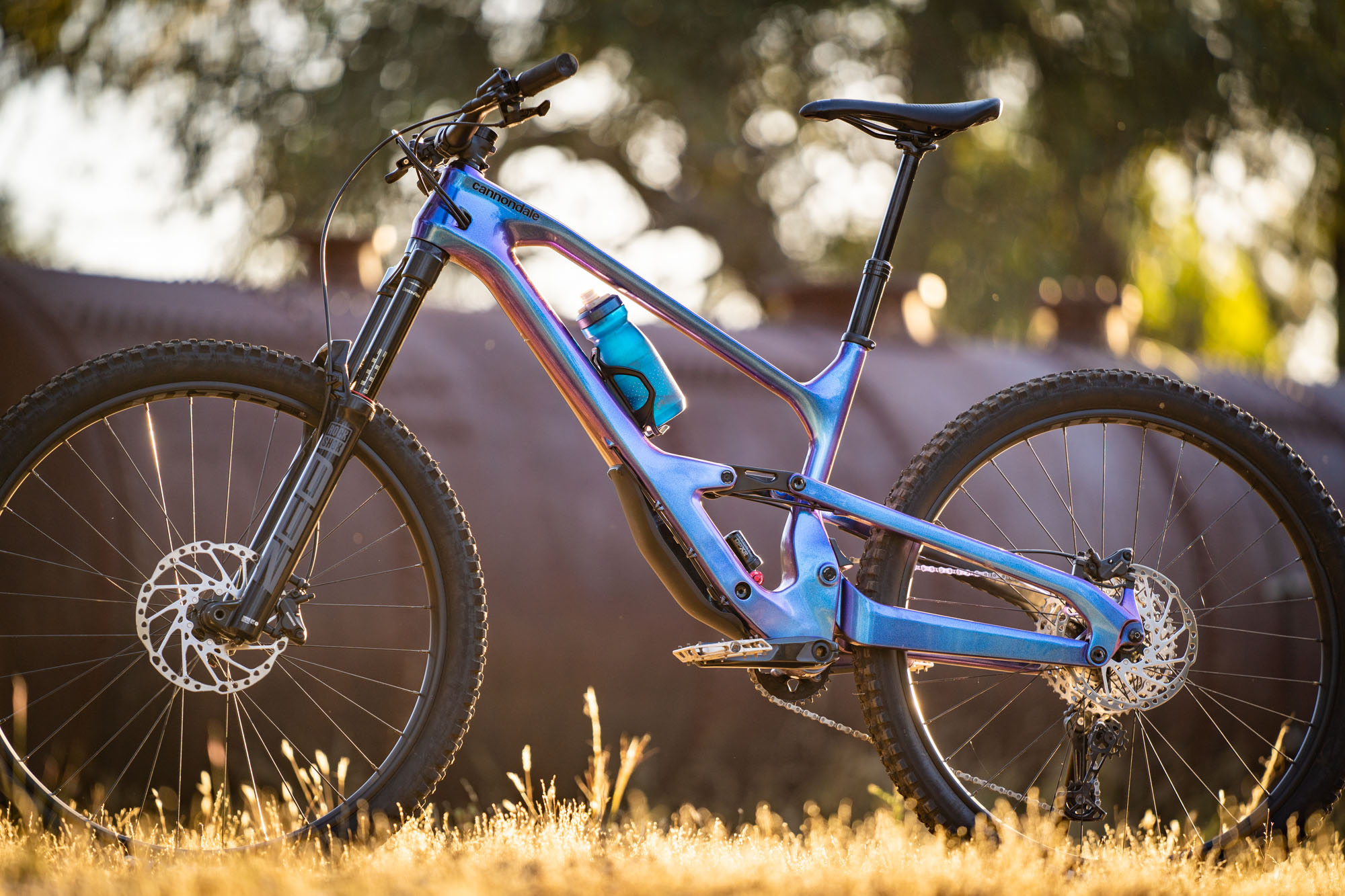
Cannondale Jekyll: Enduro Beast
For enduro fans, the Jekyll Cannondale MTB excels with 165mm rear travel and a high-pivot design for smooth descents. It includes the Lefty fork for precise steering and Gemini dual-mode shock. Prices start at $4,000, and testers rave about its stability on rocky drops while maintaining pedaling efficiency.
Feel the adrenaline with the Jekyll:
Key Features and Technologies in Cannondale MTB
What sets Cannondale MTB apart? It’s the proprietary tech that enhances every ride:
- Lefty Fork: A single-sided suspension fork that reduces weight and improves stiffness, found in many models for better control.
- SmartForm Aluminum: Advanced alloy framing for lightweight strength and affordability.
- BallisTec Carbon: High-modulus carbon for vibration damping and durability in premium bikes.
- Proportional Response Suspension: Tailors kinematics to frame size for consistent feel.
- Ai Offset Drivetrain: Asymmetrical design for shorter chainstays and better tire clearance.
These features ensure Cannondale MTB bikes perform exceptionally, whether on climbs or descents.
Buying Guide: How to Choose Your Cannondale MTB
Selecting the right Cannondale MTB starts with assessing your riding style—XC for speed, trail for versatility, or enduro for aggression. Consider budget: Entry-level models under $2,000 suit beginners, while high-end ones exceed $5,000 for pros. Test ride for fit, focusing on frame size and geometry. Look for components like Shimano or SRAM groupsets for reliability. Online reviews emphasize Cannondale’s quality, but check warranties and dealer support. For e-MTBs, evaluate battery life for longer outings.
| Factor | Considerations for Cannondale MTB |
|---|---|
| Riding Style | XC: Efficiency; Trail: Balance; Enduro: Aggression |
| Budget | $1,000-$3,000 for aluminum; $3,000+ for carbon |
| Wheel Size | 29″ for stability; 27.5″ for agility |
| Suspension | Hardtail for simplicity; Full for comfort |
| Components | Hydraulic brakes, dropper posts for control |
Maintenance Tips for Long-Lasting Cannondale MTB Performance
To keep your Cannondale MTB in top shape, regular upkeep is essential. Clean the frame and drivetrain after rides using mild soap to remove mud and debris. Lubricate the chain every 100-200 miles, and check tire pressure weekly for optimal traction. For suspension models, service forks and shocks annually, following owner’s manuals. Inspect brakes and gears for wear, and use the Cannondale app for service reminders. Proper storage in a dry place prevents rust, ensuring years of reliable rides.
Final Thoughts on Cannondale MTB
Cannondale MTB represents the pinnacle of mountain biking innovation, offering bikes that cater to every adventure seeker. From the lightweight Scalpel to the robust Jekyll, these machines combine history, technology, and performance to elevate your rides. By choosing the right model, maintaining it well, and hitting the trails, you’ll discover why Cannondale MTB continues to inspire cyclists globally. Ready to gear up? Head to a local dealer or explore online to find your perfect match.