
The Ultimate Guide to Cannondale Road Bikes: Performance, Innovation, and Top Models in 2025
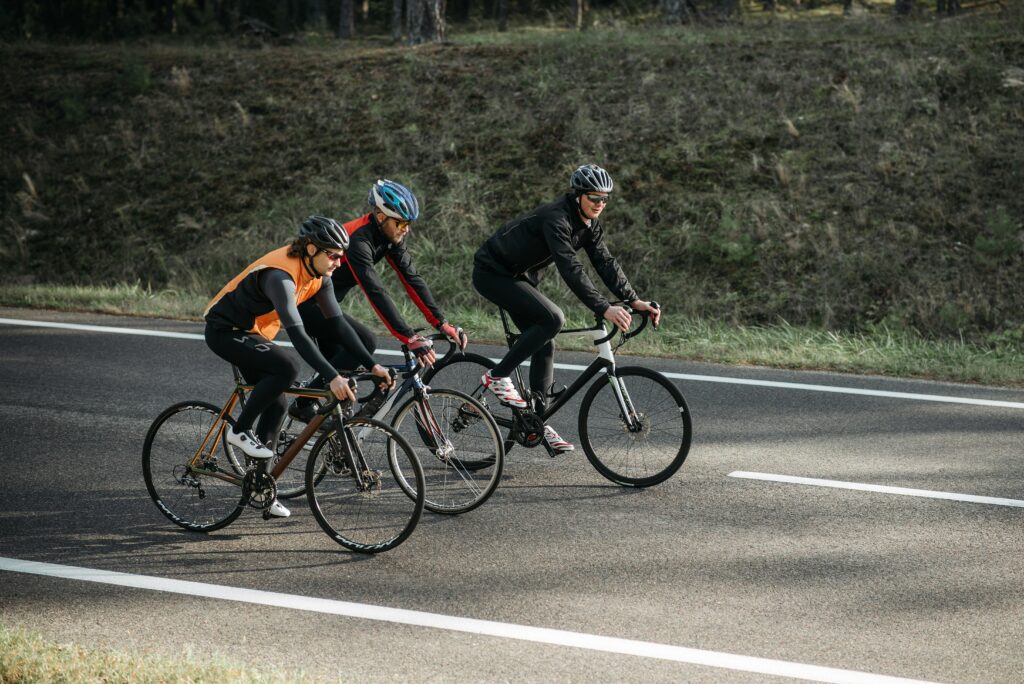
If you’re passionate about cycling, few brands capture the essence of speed, comfort, and cutting-edge technology quite like Cannondale. Cannondale road bikes stand out in a crowded market, blending lightweight materials with aerodynamic designs to deliver an exhilarating ride. Whether you’re tackling steep climbs, cruising long distances, or exploring mixed terrain, these bikes are engineered to elevate your experience. In this comprehensive guide, we’ll dive deep into what makes Cannondale road bikes so special, from their rich history to the latest 2025 models, key features, and tips for choosing the right one. By the end, you’ll have all the information needed to decide if a Cannondale road bike is your next ride.
A Brief History of Cannondale: Pioneers in Bicycle Innovation
Cannondale’s story began in 1971 in Connecticut, USA, founded by Joe Montgomery, Murdock MacGregor, and Ron Davis. Starting as a small operation above a pickle factory, the company quickly gained a reputation for pushing boundaries. While most manufacturers stuck with steel frames, Cannondale pioneered aluminum and carbon fiber constructions, revolutionizing the industry with lighter, stiffer bikes.
By the 1980s, Cannondale road bikes were making waves in professional racing, sponsoring teams and earning victories in major events. Innovations like the single-sided “Lefty” suspension fork and the BB30 bottom bracket standard showcased their commitment to performance. Today, owned by Dorel Industries, Cannondale continues to innovate, with a focus on sustainability and rider-centric designs. Their road bikes have evolved from pure race machines to versatile options that cater to endurance riders, gravel enthusiasts, and even e-bike users. This legacy of innovation is why Cannondale road bikes remain a top choice for cyclists worldwide.
Understanding the Categories of Cannondale Road Bikes
Cannondale organizes its road bikes into several categories to suit different riding styles. From high-speed racing to all-day adventures, each line incorporates advanced technologies like disc brakes, internal cable routing, and wide tire clearances for enhanced versatility. Let’s break them down.
Race Road Bikes: Built for Speed and Competition
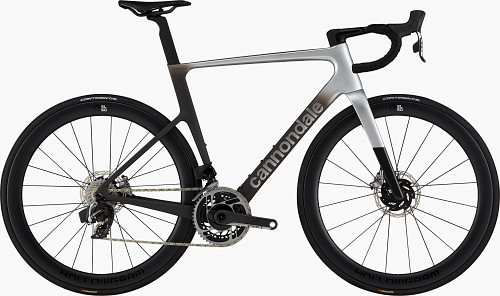
For those who crave velocity, Cannondale’s race road bikes are engineered to slice through the wind and conquer podiums. The flagship SuperSix EVO series exemplifies this, blending lightweight carbon frames with aerodynamic profiles.
The 2025 SuperSix EVO 4 represents a significant update, defying logic with its lightness, speed, and aero efficiency. It features a narrower headtube, delta steerer for seamless internal routing, and extended tube profiles for reduced drag. Tire clearance up to 30mm allows for versatility without sacrificing race sharpness. Materials range from premium Hi-MOD carbon in top tiers to standard carbon in more affordable options. Prices start around $3,000 for entry-level models and climb to over $15,000 for Lab71 editions equipped with SRAM RED AXS and Reserve Turbulent Aero wheels.
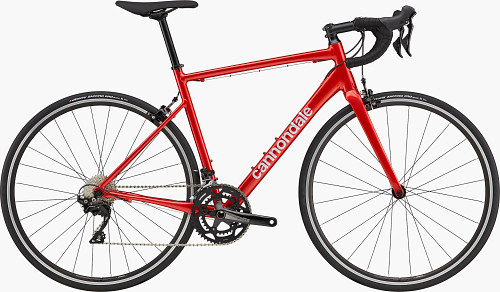
Other race models include the CAAD13, an aluminum powerhouse with aero tubing and dropped seat stays for vibration damping. It’s a budget-friendly alternative to carbon, offering 30mm tire clearance and mudguard mounts. The CAAD Optimo rounds out the lineup as an entry-level alloy bike with rim brakes and external cabling for easy maintenance, ideal for beginners dipping into Cannondale road bikes.
Professional teams like EF Education–EasyPost rely on these bikes for Grand Tour stages, proving their mettle in the real world.
Endurance Road Bikes: Comfort for Long Hauls
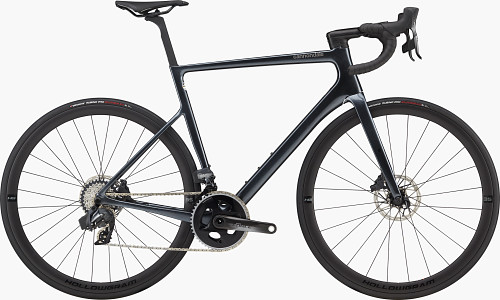
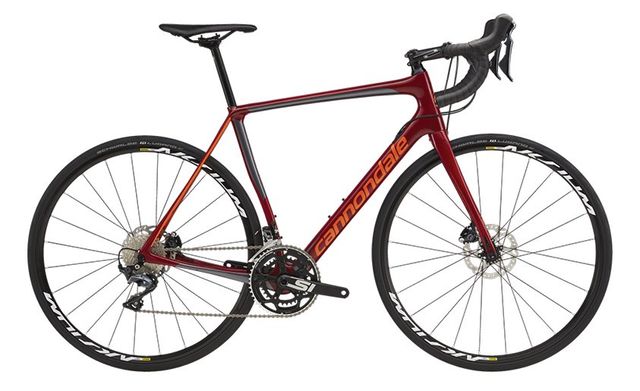
Endurance riding demands bikes that prioritize comfort without compromising performance, and Cannondale’s Synapse series delivers just that. The 2025 Synapse marks the sixth generation, redefining the category with updated geometry, improved aerodynamics, and lighter weights.
Key updates include a threaded bottom bracket for easier maintenance, no proprietary offsets, and massive tire clearances—up to 42mm front and 48mm rear in some claims, making it gravel-capable. The frame draws inspiration from the SuperSix EVO for aero gains and the SuperX for flex compliance, increasing stiffness in the head tube and bottom bracket while boosting overall compliance by 20%. SmartSense technology returns on select models, integrating radar, lights, and a battery system for safer rides.
Models span from the premium Lab71 (under 1,000g frame, SRAM Red AXS XPLR 1×13 groupset, priced at $16,000) to the Carbon 4 ($4,600) with Shimano 105 Di2 and aluminum wheels. The standard carbon frame weighs under 1,150g, ensuring accessibility across price points. Riders praise its balanced handling, vibration damping, and versatility for everything from paved roads to light gravel.
The Synapse Neo Allroad adds e-assist with a Bosch motor and 400Wh battery, extending range for longer adventures while maintaining 45mm tire clearance.
Gravel and All-Road Bikes: Adventure-Ready Versatility
Cannondale road bikes extend into gravel territory with the Topstone series, perfect for mixed surfaces. The Topstone Carbon features the innovative KingPin suspension—a rear pivot providing 30mm of seat travel and 10mm at the rear wheel for plush compliance without complexity.
2025 updates include new colorways and refined specs. Tire clearances reach 40-45mm (or more with 650b wheels), with options for Lefty forks adding suspension. Materials blend carbon frames with carbon forks, and mounting points abound for bikepacking. Prices range from $2,500 for alloy versions to $8,000+ for top carbon builds with SRAM Force.
The Topstone Alloy offers similar features without KingPin, focusing on value with high tire clearance and stable geometry. For gravel racing, the SuperSix EVO SE combines aero tubing with 45mm clearance and race geometry.
The Topstone Neo e-gravel bike uses a Mahle hub motor for assisted adventures, ideal for hilly terrains.
Specialty Models: Time Trial, Cyclocross, and More
Cannondale doesn’t stop at standard road categories. The SuperSlice is a time trial beast based on SystemSix aero tech, though availability is limited. For cyclocross, the SuperSix EVO CX offers mud-shedding 33mm clearance with 45mm potential, paired with 1x groupsets.
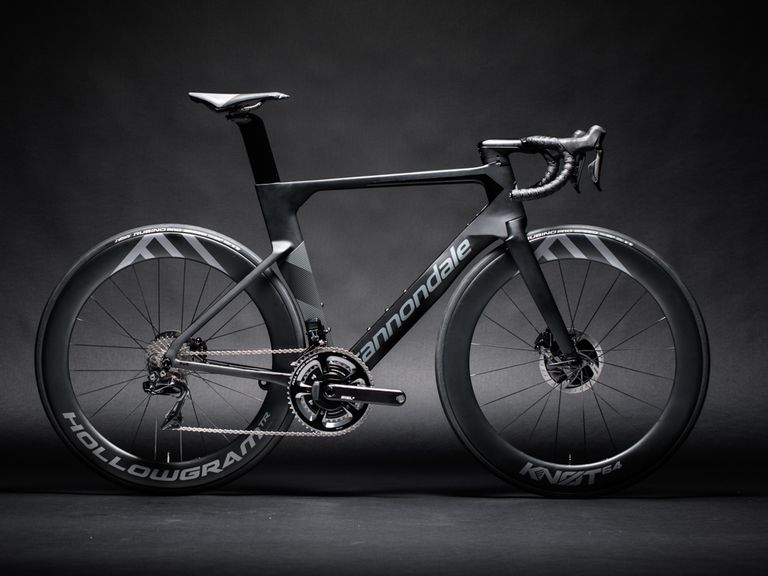
The SystemSix EVO, while somewhat superseded by the SuperSix, remains an aero-focused option with deep profiles and integrated cockpits.
Key Technologies and Features in Cannondale Road Bikes
What sets Cannondale road bikes apart? Their proprietary tech stack enhances every ride.
- Frame Materials: High-modulus carbon for elite models reduces weight while maintaining stiffness; aluminum for durable, affordable options.
- Aerodynamics: Narrow profiles, integrated bars, and aero bottles minimize drag—SuperSix EVO matches pro-level efficiency.
- Compliance and Suspension: KingPin and dropped stays absorb vibrations; Lefty forks add front-end plushness on gravel models.
- SmartSense: Integrated lights and radar on select bikes improve visibility and safety.
- Tire Clearance and Mounts: Up to 48mm on some, with fender, rack, and bottle bosses for touring.
- Groupsets and Components: Partnerships with Shimano, SRAM, and in-house HollowGram parts ensure top performance.
These features make Cannondale road bikes adaptable, whether for daily commutes or epic tours.
Buying Guide: How to Choose the Right Cannondale Road Bike
Selecting from Cannondale road bikes involves considering your riding style, budget, and fit. Start with category—race for speed, endurance for comfort, gravel for adventure. Test ride if possible; Cannondale offers broad sizes (44-61cm).
Budget-wise, entry models like CAAD Optimo start under $1,500, while premium Lab71s exceed $10,000. Look for disc brakes for all-weather stopping and electronic shifting for precision.
Fit is crucial: Use Cannondale’s online tools or visit a dealer. Accessories like pedals, helmets, and tools from Cannondale complement your setup.
Maintenance tips: Regularly clean the chain, check tire pressure, and service suspension elements like KingPin. Aluminum frames are low-maintenance; carbon requires careful handling.
Pros and Cons of Cannondale Road Bikes
Pros:
- Innovative designs for superior performance.
- Versatile options across categories.
- Strong pro racing pedigree.
- Excellent build quality and warranties.
Cons:
- Higher price points for top models.
- Limited women-specific geometries (though sizes accommodate many).
- Some tech like SmartSense divides opinions.
Real-World Reviews and Rider Experiences
Cyclists rave about Cannondale road bikes for their responsiveness. The 2025 Synapse earns praise for its “sublimely balanced ride” and gravel capabilities, per BikeRadar. SuperSix EVO users note its climbing prowess and aero edge in group rides. On forums like Reddit, riders compare favorably to Trek or Giant, highlighting Cannondale’s unique tech as a differentiator.
Conclusion: Why Cannondale Road Bikes Deserve Your Attention
In 2025, Cannondale road bikes continue to lead with innovation, offering models that blend speed, comfort, and adventure. From the race-ready SuperSix EVO to the versatile Synapse and rugged Topstone, there’s a bike for every aspiration. If you’re seeking a reliable, high-performing companion for the road ahead, explore Cannondale road bikes—they might just transform your cycling journey. Ready to ride? Head to your local dealer or Cannondale’s site to find your perfect match.