
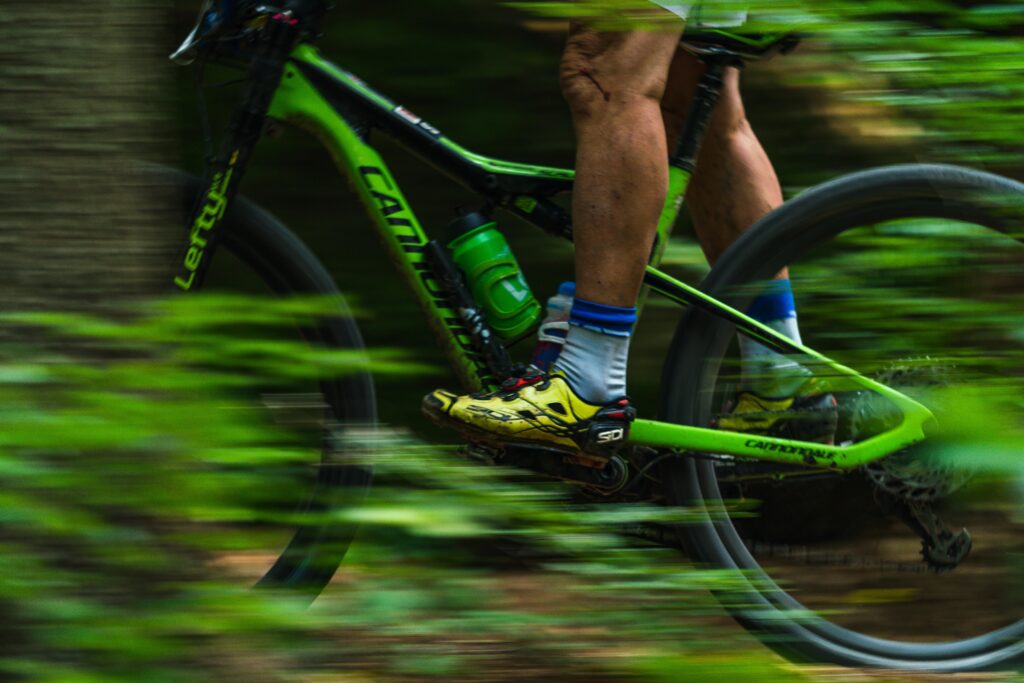
Ultimate Guide to MTB Bikes Cannondale: Exploring Top Models, Features, and Rider Essentials
If you’re passionate about off-road adventures, few brands capture the thrill quite like Cannondale. Known for innovative designs and high-performance engineering, MTB bikes Cannondale have been a staple for riders seeking durability, speed, and versatility on rugged trails. Whether you’re a beginner tackling your first singletrack or a seasoned pro eyeing enduro races, this comprehensive guide dives deep into the world of MTB bikes Cannondale. We’ll cover the brand’s rich history, breakdown popular models across categories, share expert buying tips, and even include maintenance advice to keep your ride in top shape. By the end, you’ll have all the insights needed to choose the perfect Cannondale mountain bike for your next epic journey.
The Legacy of Cannondale: From Humble Beginnings to MTB Innovation
Cannondale’s story started in 1971, not with bikes, but with cycling accessories like trailers and apparel. Founded in Wilton, Connecticut, the company quickly pivoted to bicycle manufacturing, making waves in the industry by the early 1980s. In 1983, they introduced their first aluminum frame, a game-changer that emphasized lightweight strength and stiffness—qualities that would define MTB bikes Cannondale for decades. By 1984, Cannondale entered the mountain bike market with oversized aluminum frames that stood out for their unique aesthetics and performance, setting them apart from steel-dominated competitors.
The brand’s breakthrough came in the road cycling world first, sponsoring a European pro team and winning the Giro d’Italia in their debut year. This success translated to MTB, where innovations like the iconic Lefty suspension fork—a single-sided design that reduces weight and improves handling—became synonymous with Cannondale. Over the years, they’ve expanded into carbon fiber frames, electric assists, and high-pivot suspension systems, always pushing boundaries. Today, as a subsidiary of Pon Holdings, Cannondale continues to manufacture high-quality bikes, though production shifted overseas after 2010 for efficiency. Their passion for “bikes that just work better” fuels ongoing advancements, making MTB bikes Cannondale a top choice for riders worldwide.
What sets Cannondale apart? Their commitment to proprietary technologies like OutFront geometry for stable steering, Proportional Response suspension tuned to rider size, and SmartForm alloy for optimized strength-to-weight ratios. These features ensure that every MTB bikes Cannondale delivers a ride that’s responsive, comfortable, and built to last, whether you’re climbing steep ascents or bombing down technical descents.
Breaking Down Cannondale MTB Categories: Find Your Perfect Ride
Cannondale offers a diverse lineup of mountain bikes tailored to different riding styles. From efficient hardtails to burly full-suspension beasts, their categories cover everything from casual trail days to competitive racing. Let’s explore the main types of MTB bikes Cannondale and what makes each one shine.
Trail Bikes: Versatile All-Rounders for Everyday Adventures
Trail bikes are the sweet spot for most riders, blending uphill efficiency with downhill confidence. Cannondale’s trail lineup, like the Habit series, features 130-140mm of suspension travel, making them ideal for varied terrain. The Habit Carbon LT 1, for instance, boasts a refined design with 140mm front and 130mm rear travel, perfect for all-mountain fun. Frames are often aluminum or carbon, with 27.5″ or 29″ wheels for balanced handling.
One standout is the Trail series hardtails, such as the Trail 1. Priced affordably around $1,000-$1,500, it uses SmartForm C3 alloy for a zippy, durable ride. Reviewers praise its toughness for off-road use without breaking the bank, with hydraulic disc brakes and a modern geometry that feels playful on singletracks. If you’re new to MTB bikes Cannondale, the Trail 2 offers similar perks with a sporty feel and reliable components.
For electric options, the Moterra Neo amps up the adventure with Bosch motors, allowing longer rides on challenging trails. It’s a mid-range alloy model that handles lively features well, earning high marks in reviews for its power and control.


Cross-Country (XC) Bikes: Speed Demons for Racing and Endurance
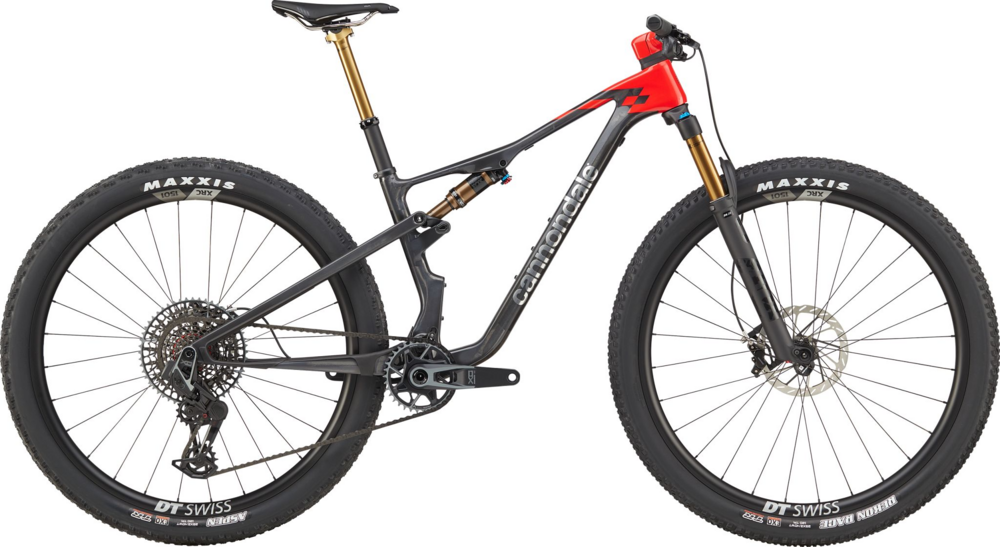
For those prioritizing speed and efficiency, Cannondale’s XC bikes like the Scalpel series are engineered for podium finishes. These full-suspension or hardtail models feature 100-120mm travel, large 29″ wheels, and lightweight carbon frames. The Scalpel Carbon 2, with SRAM GX Eagle 12-speed drivetrain, excels in cross-country racing thanks to its responsive handling and bump-absorbing flex.
The Scalpel HT hardtail variant offers even lighter weight for pure pedaling power, ideal for long-distance endurance rides. Users love its efficiency on climbs and stability on descents, with prices starting around $3,000 for higher-end builds. In 2025 reviews, the Scalpel lineup continues to impress with updates like improved Lefty forks for precise steering.
If you’re into MTB bikes Cannondale for competitive events, these XC machines provide the edge with technologies like Ai offset drivetrain for better traction and shorter chainstays.

All-Mountain/Enduro Bikes: Aggressive Rides for Technical Terrain
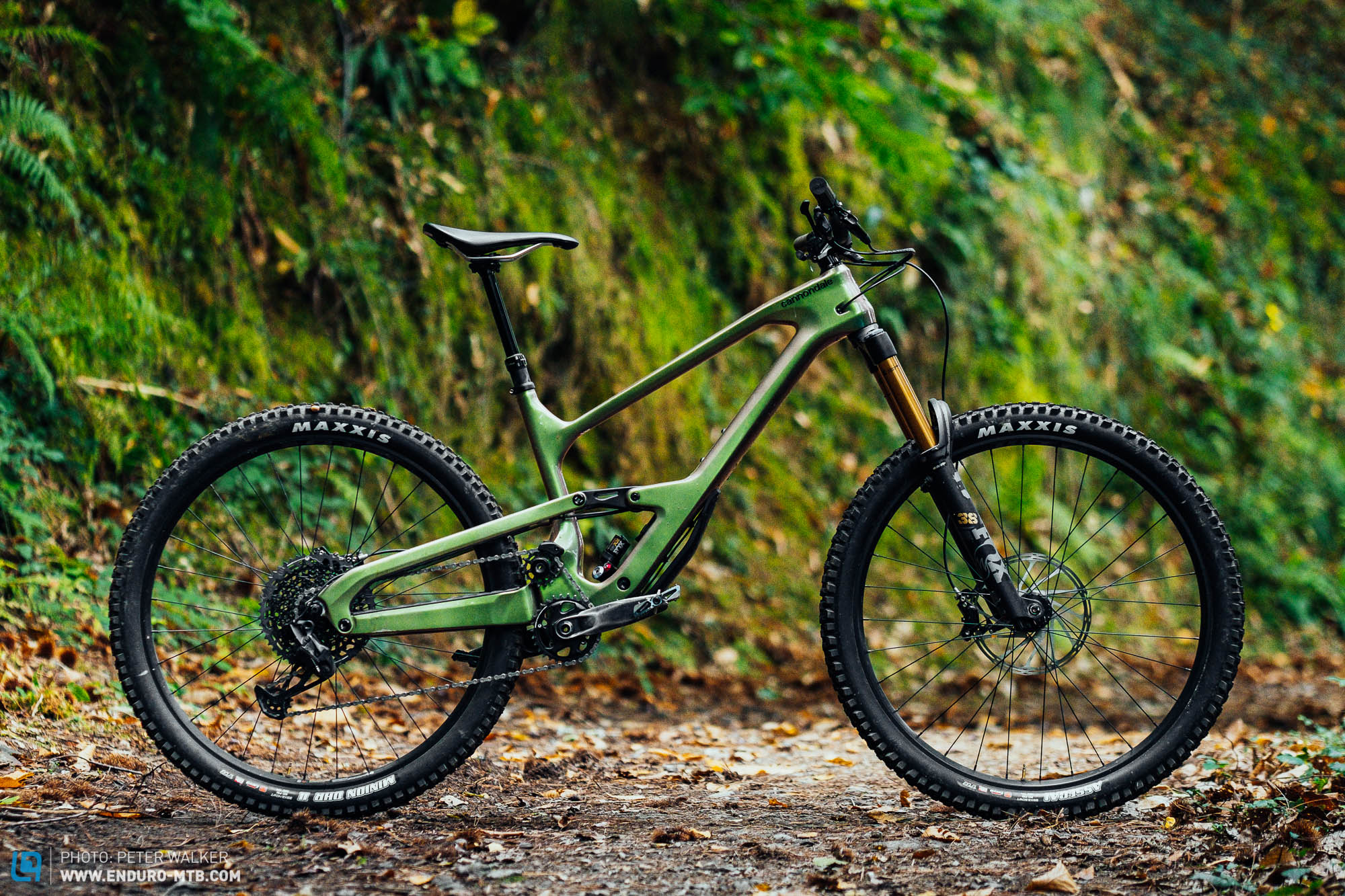
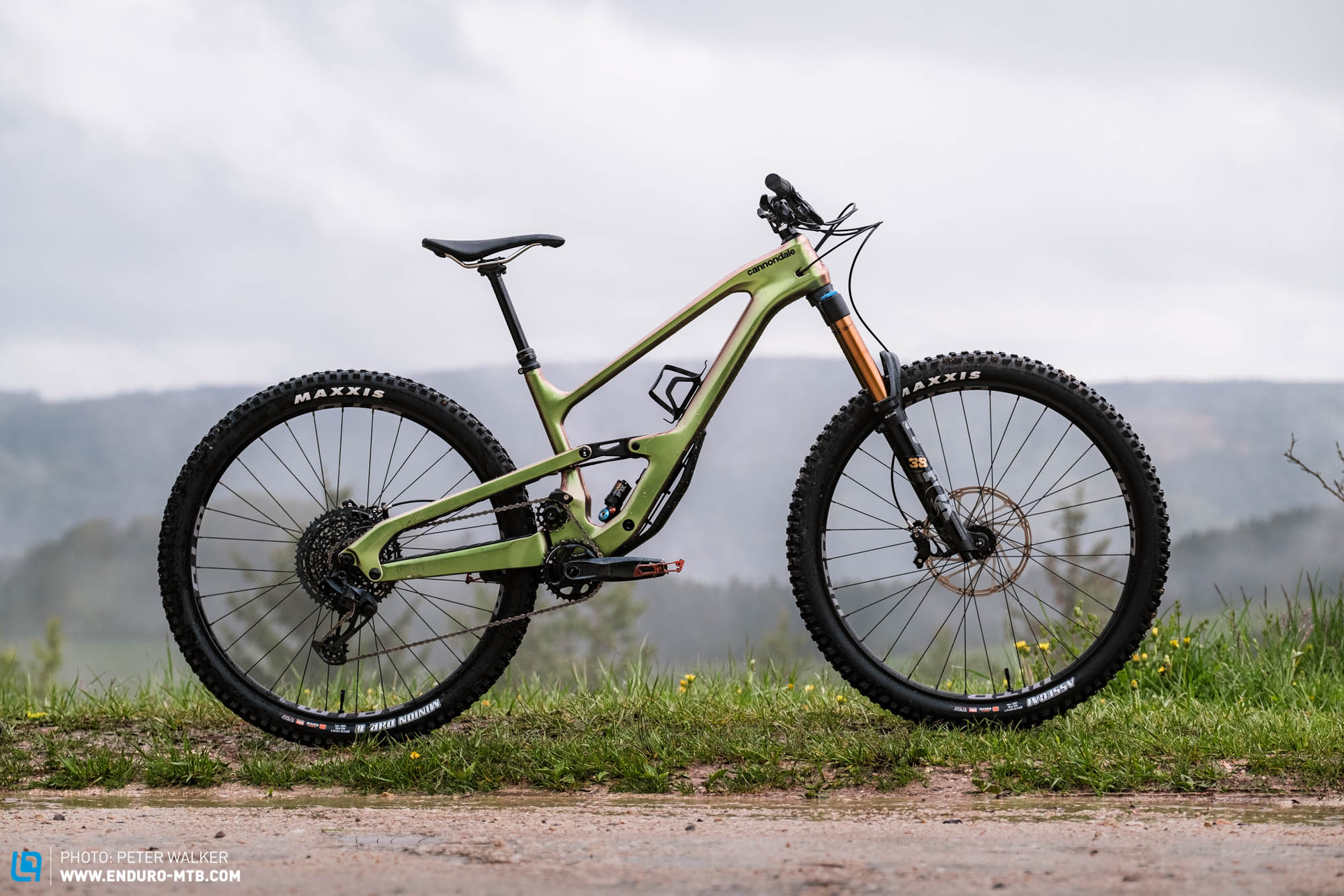
When the trails get rowdy, turn to Cannondale’s enduro bikes like the Jekyll. With 140-180mm travel and high-pivot suspension, the Jekyll 1 is a downhill-focused beast that still pedals efficiently uphill. Its unique four-bar linkage and idler pulley reduce pedal bob, making it a favorite in enduro comparisons for its composure on steep drops and high-speed corners.
Reviewers highlight the Jekyll’s ability to handle bike park laps or multi-day adventures, with carbon or alloy frames and mullet wheel setups (29″ front, 27.5″ rear) for optimal traction. Priced from $4,000+, it’s worth it for serious riders seeking MTB bikes Cannondale that conquer aggressive descents.
The Habit 3, another trail-to-enduro crossover, earns rave reviews for its value, with users calling it “the best bike for the money” on trails. It’s versatile, beautiful, and built for fun without excessive complexity.
Downhill and Park Bikes: Built for Gravity-Fueled Thrills
For pure gravity junkies, Cannondale’s downhill bikes offer 180-200mm travel, robust frames, and smaller wheels for nimble control at speed. While specific models aren’t always highlighted, their park-oriented designs shine in maintained trails with jumps and berms. These MTB bikes Cannondale prioritize durability with hydraulic disc brakes and heavy-duty components to withstand repeated abuse.
Electric versions extend the fun, letting you shuttle laps without fatigue. If bike parks are your playground, look for models with adjustable geometry for personalized setup.

Buying Guide: How to Choose the Right MTB Bikes Cannondale
Selecting from MTB bikes Cannondale starts with your riding style, budget, and terrain. Here’s a step-by-step guide:
- Determine Your Riding Style: XC for speed? Trail for versatility? Enduro for aggression? Cannondale categorizes clearly—check their site for matches.
- Suspension Type: Hardtails (e.g., Scalpel HT) are lighter and cheaper for smooth trails; full-suspension (e.g., Jekyll) absorbs big hits but costs more.
- Frame Material and Size: Aluminum for affordability, carbon for lightness. Use Cannondale’s sizing charts and Proportional Response for a tailored fit.
- Wheel Size and Components: 29″ for stability, 27.5″ for maneuverability. Prioritize hydraulic brakes and quality drivetrains like SRAM or Shimano.
- Budget Considerations: Entry-level at $1,000-$1,500; premium models $3,000+. Factor in e-bikes for extra power, starting higher.
- Test Ride and Research: Visit dealers or read 2025 reviews—Cannondale bikes often top lists for value and innovation.
Pro tip: Download Cannondale’s app for service intervals and bike linking to stay on top of ownership.
Maintenance Tips: Keeping Your Cannondale MTB in Peak Condition
Proper care extends the life of your MTB bikes Cannondale. Follow this checklist:
- Clean Regularly: Use mild soap and water; avoid high-pressure washers on bearings.
- Lube the Chain: Apply after cleaning; check drivetrain for wear.
- Inspect Suspension: Tune forks and shocks per manual; Cannondale provides owner resources.
- Brake and Tire Check: Ensure pads aren’t worn; maintain tire pressure for grip.
- Professional Tune-Ups: Annual services for complex components like the Lefty fork.
For vintage models, focus on rust prevention if steel-framed. Always refer to Cannondale’s bike archive for specific manuals.
.jpg "Mtb bikes cannondale")
Why MTB Bikes Cannondale Stand Out in 2025
In a crowded market, MTB bikes Cannondale excel with their blend of heritage, tech, and rider-focused design. From the efficient Scalpel to the beastly Jekyll, there’s a model for every trail enthusiast. With ongoing updates and strong community praise, investing in one means years of reliable adventures. Ready to hit the dirt? Head to a local dealer or Cannondale’s site to find your match. Ride safe, and may your trails be endless!