
Discover the Cannondale Catalyst: Your Gateway to Mountain Biking Adventures
If you’re new to mountain biking or looking for an affordable way to hit the trails without breaking the bank, the Cannondale Catalyst might just be the perfect starting point. This entry-level hardtail mountain bike from Cannondale has earned a reputation for being reliable, beginner-friendly, and highly customizable. In this comprehensive guide, we’ll dive deep into everything you need to know about the Cannondale Catalyst, from its key specifications and features to real-world performance, pros and cons, and tips for getting the most out of your ride. Whether you’re tackling light cross-country trails, commuting on gravel paths, or simply exploring local parks, this bike offers a solid foundation for adventure seekers on a budget.
Mountain biking has exploded in popularity over the last decade, with more people seeking outdoor activities that combine fitness, excitement, and nature. Brands like Cannondale have been at the forefront, innovating bikes that cater to all skill levels. The Cannondale Catalyst series, in particular, stands out as an accessible option for beginners and casual riders. Introduced as part of Cannondale’s trail bike lineup, it emphasizes durability, comfort, and value, making it ideal for those dipping their toes into the world of off-road cycling.

A Brief History of Cannondale and the Catalyst Series
Cannondale, founded in 1971, started as a maker of bicycle trailers and accessories before pivoting to high-quality bikes in the 1980s. Known for their innovative aluminum frames and cutting-edge designs, Cannondale quickly became a favorite among professional cyclists and enthusiasts. The company’s commitment to performance and durability is evident in their use of SmartForm alloy technology, which optimizes frame strength while keeping weight low.
The Cannondale Catalyst series emerged in the mid-2010s as an entry-level mountain bike aimed at budget-conscious riders. Models like the Catalyst 1, 2, 3, and 4 were designed to bridge the gap between recreational cycling and true trail riding. By 2019, the lineup featured 27.5-inch wheels for better maneuverability, hydraulic disc brakes for reliable stopping power, and coil-sprung forks for basic suspension. Although newer models haven’t been released in recent years (with the last major updates around 2019), the Cannondale Catalyst remains popular in the used market and through retailers stocking older inventory. Its timeless design continues to appeal to riders seeking a no-frills bike that can handle light to moderate trails.
For context, the Catalyst was part of Cannondale’s push to make mountain biking more inclusive. Compared to their higher-end lines like the Trail or Habit series, the Catalyst focuses on affordability without sacrificing essential features. If you’re searching for a bike that grows with you—through upgrades and skill development—this series is a smart choice.
Key Specifications of the Cannondale Catalyst
Understanding the specs is crucial when evaluating any mountain bike, and the Cannondale Catalyst doesn’t disappoint in offering a balanced setup for its price point. Let’s break down the details based on the popular 2019 models, which are still widely available.
Frame and Design
The heart of the Cannondale Catalyst is its SmartForm C3 Alloy frame, crafted from lightweight aluminum. This material provides excellent durability and resistance to corrosion, making it suitable for various weather conditions. The frame includes rack and fender mounts, adding versatility for commuting or bikepacking. With a BSA 73mm threaded bottom bracket, it’s easy to maintain and upgrade.
Geometry-wise, the bike features a relaxed head angle for stability on descents and a comfortable upright riding position. Sizes range from XS to XL, accommodating riders from about 5’1″ to 6’5″. The 27.5-inch wheel size strikes a balance between the agility of 26-inch wheels and the rollover capability of 29ers, ideal for beginners navigating tight turns and obstacles.
Suspension and Fork
As a hardtail bike, the Cannondale Catalyst has front suspension only, with no rear shock. The SR Suntour XCT fork offers 100mm of travel (or 75mm on lower models like the Catalyst 4), using a coil spring system with hydraulic lockout. This allows you to firm up the suspension for smoother climbs or pavement riding. While not as plush as air-sprung forks on premium bikes, it’s sufficient for entry-level trails and absorbs minor bumps effectively.
Wheels and Tires
The wheels are built around WTB SX19 rims with 32 spokes for strength, paired with Formula QR hubs for quick wheel removal. Tires like the Freedom Transition Sport (27.5 x 2.25″) provide decent grip on dirt, gravel, and light mud. They’re durable but on the narrower side; many riders upgrade to wider tires (2.4″ or more) for better traction on rougher terrain.
Drivetrain and Gearing
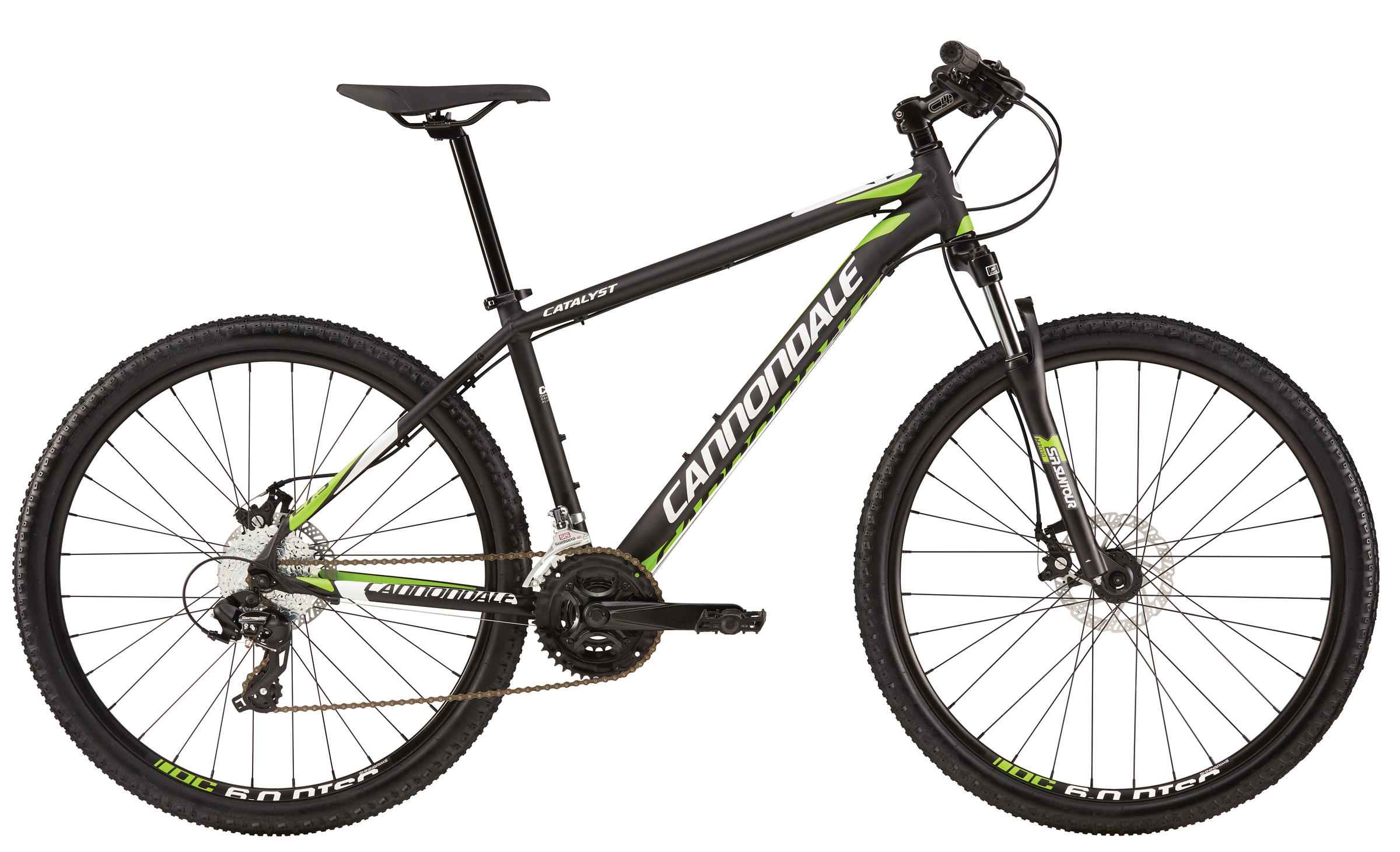
Depending on the model, the Cannondale Catalyst comes with a 3×7 or 3×8-speed setup. For instance, the Catalyst 1 uses Shimano Acera rear derailleur, Shimano Tourney front derailleur, and a Prowheel crankset (42/34/24 teeth). The Sunrace cassette (11-34T) offers a wide range for climbing steep hills and cruising flats. Shifters are Shimano Easy Fire EF505, which are intuitive for new riders but can feel clunky compared to higher-end options.
Lower models like the Catalyst 4 feature Shimano Tourney components with 21 gears, providing smooth shifts but limited range for extreme inclines. Overall, the drivetrain is reliable for casual use, though enthusiasts often upgrade to 1x systems for simplicity and reduced weight.
Brakes and Components
Braking is handled by Shimano MT200 hydraulic disc brakes with 160mm rotors on most models, delivering consistent stopping power in wet or dry conditions. This is a step up from mechanical discs on cheaper bikes. The cockpit includes a Cannondale C4 riser handlebar (720mm wide with 25mm rise) for control, paired with a Cannondale alloy stem and dual-density grips for comfort.
The saddle is the Cannondale Stage 2, which is padded for longer rides, and the seatpost is a rigid 27.2mm alloy. Pedals are basic platform style, but they’re grippy enough for starters.
| Component | Catalyst 1 (2019) | Catalyst 4 |
|---|---|---|
| Frame | SmartForm C3 Alloy | SmartForm C3 Alloy |
| Fork | SR Suntour XCT, 100mm | SR Suntour M3030, 75mm |
| Wheels | 27.5″ WTB SX19 | 27.5″ Alex DC 6.0 |
| Drivetrain | 3×7 Shimano Acera/Tourney | 3×7 Shimano Tourney |
| Brakes | Shimano MT200 Hydraulic Disc | Shimano Tourney Disc |
| Price (MSRP) | $630 | Around $400-500 |
These specs make the Cannondale Catalyst a versatile choice for light trail riding, with room for personalization.
Features and Benefits for Riders
What sets the Cannondale Catalyst apart is its blend of affordability and functionality. The lightweight frame (around 30-32 lbs depending on size) makes it easy to maneuver, while the hydraulic lockout fork enhances efficiency on varied terrain. Beginners appreciate the stable geometry, which inspires confidence on descents without feeling twitchy.
For trail enthusiasts, the bike’s upgrade potential is a major plus. Many owners swap the fork for something like a RockShox Recon, upgrade to tubeless tires, or convert to a 1x drivetrain. This extendability means your investment grows with your skills. Colors like midnight black, jet black, or lime green add aesthetic appeal, and the bike’s sleek design turns heads on the trail.
In terms of benefits, the Cannondale Catalyst promotes fitness through fun rides, helps build riding technique, and serves as a gateway to more advanced biking. It’s also eco-friendly, encouraging outdoor exploration over motorized transport.
Performance on the Trails: Real-World Testing
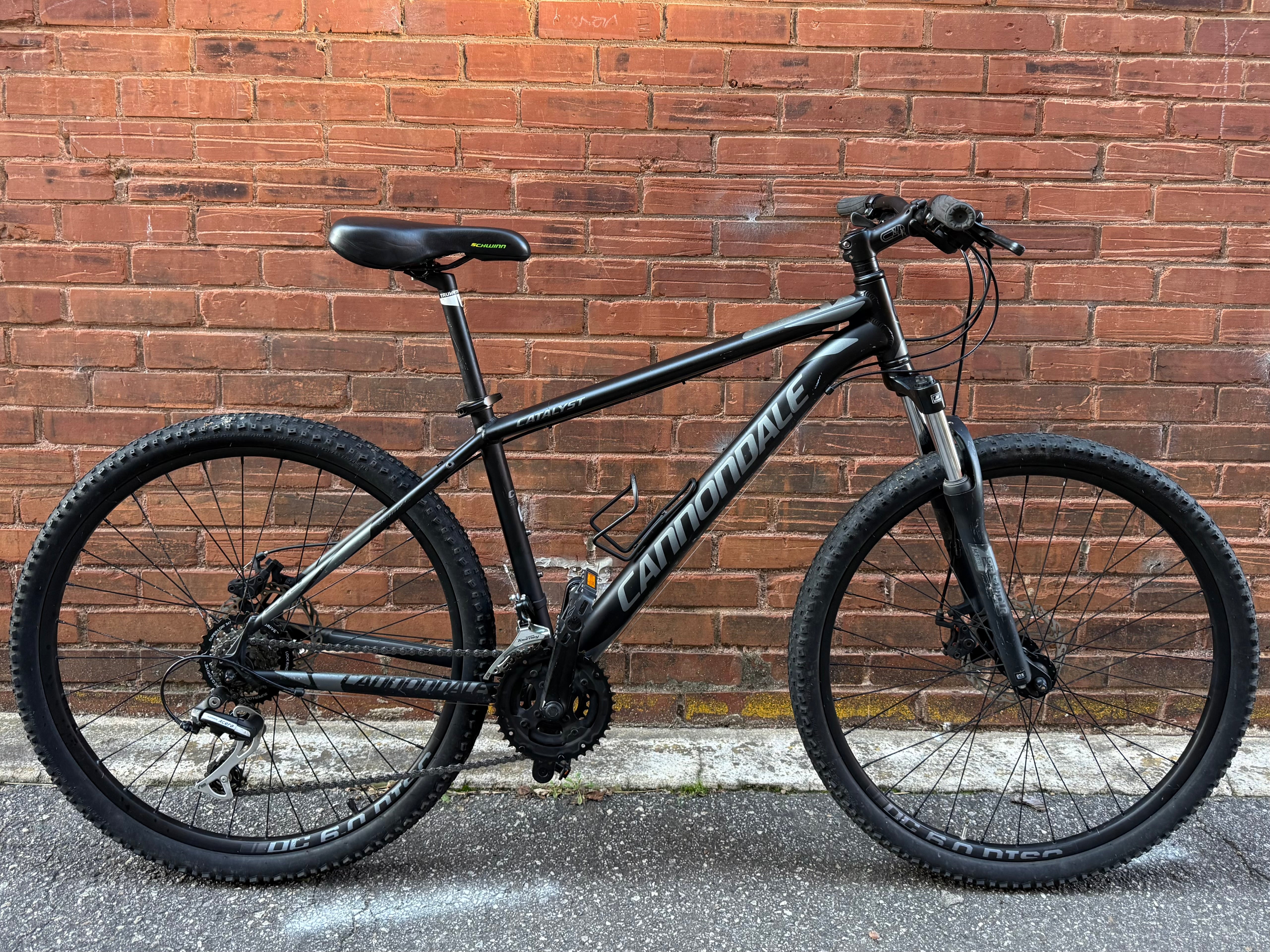
From user reviews and expert tests, the Cannondale Catalyst performs admirably on entry-level trails. On smooth singletrack or gravel paths, it feels responsive and quick, with the 27.5″ wheels rolling over roots and rocks decently. Climbs are manageable thanks to the low gears, though heavier riders (over 200 lbs) might find the coil fork bouncy on rough sections.
In wet conditions, the disc brakes shine, providing modulation that’s forgiving for novices. However, on steeper descents or technical terrain, the limited fork travel and narrower tires can limit confidence—upgrades are often recommended here. Riders report comfortable all-day sessions, with the upright posture reducing fatigue. For commuting, the fender mounts allow easy addition of accessories.
One Reddit user noted a 2017 model for $350 as a “decent beginner bike,” praising its value but suggesting updates to the drivetrain. On forums like MTBR, owners share stories of upgrading components to transform it into a capable trail machine.
Pros and Cons of the Cannondale Catalyst
Like any bike, the Cannondale Catalyst has strengths and weaknesses.
Pros:
- Affordable entry point into mountain biking
- Durable aluminum frame with upgrade potential
- Reliable hydraulic brakes for safety
- Comfortable geometry for beginners
- Versatile for trails, gravel, and commuting
- Lightweight and easy to handle
Cons:
- Basic components may require early upgrades
- Limited suspension travel for rough terrain
- Narrower tires reduce grip in mud
- Older models lack modern features like 1x drivetrains
- Not ideal for aggressive downhill riding
Overall, the pros outweigh the cons for casual riders.
Comparisons with Similar Bikes
How does the Cannondale Catalyst stack up against competitors? Let’s compare it to popular entry-level options.
- Trek Marlin 4/5: Similar price ($500-600), but Trek offers air forks on higher models for better adjustability. The Marlin has a more modern geometry, making it slightly more aggressive than the Catalyst.
- Giant ATX 2: At around $500, it features a similar alloy frame and 27.5″ wheels. Giant’s version has mechanical disc brakes, which are less powerful than the Catalyst’s hydraulics, but it includes a wider gear range.
- Specialized Rockhopper: A bit pricier ($600+), with better components like Shimano Altus. It’s more trail-oriented, but the Catalyst edges out in upgradeability due to Cannondale’s frame quality.
If you prioritize value and customization, the Cannondale Catalyst wins. For out-of-the-box performance, consider the Trek or Specialized.
Buying Guide: Where to Get Your Cannondale Catalyst
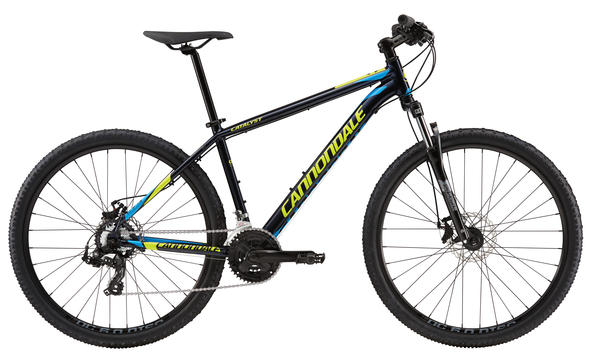
Pricing for a new or lightly used Cannondale Catalyst ranges from $400 to $700, depending on the model and condition. Check official Cannondale dealers, online retailers like REI or Bike Attack, or marketplaces like eBay and Facebook for deals. Look for 2019 or older models, as they offer the best bang for your buck.
Before buying, test ride to ensure fit—pay attention to standover height and reach. Consider your terrain: if it’s mostly flat, the stock setup is fine; for hillier areas, budget for upgrades. Warranty covers the frame for life against defects, adding peace of mind.
Maintenance Tips for Longevity
Keeping your Cannondale Catalyst in top shape is straightforward. Clean the chain and drivetrain after muddy rides using a degreaser and lubricant. Check tire pressure weekly (around 30-40 PSI). Inspect brakes for pad wear and bleed hydraulics annually. For the fork, service every 50-100 hours of riding to maintain performance.
Store the bike indoors to prevent rust, and tighten bolts periodically. If upgrading, start with tires and fork for immediate improvements. With proper care, this bike can last years.
User Reviews and Community Feedback
The cycling community loves the Cannondale Catalyst for its accessibility. On Singletracks and MTBR, ratings hover around 4/5 stars, with praise for value and criticism for basic specs. One reviewer called it “a great frame to build up your dream bike,” while another noted its comfort for tall riders (6’3″+).
In 2024 reviews, it’s still recommended for beginners, though some suggest looking at Cannondale’s Trail series for updates. Overall, it’s seen as a reliable starter bike that encourages progression in the sport.
Conclusion: Is the Cannondale Catalyst Right for You?
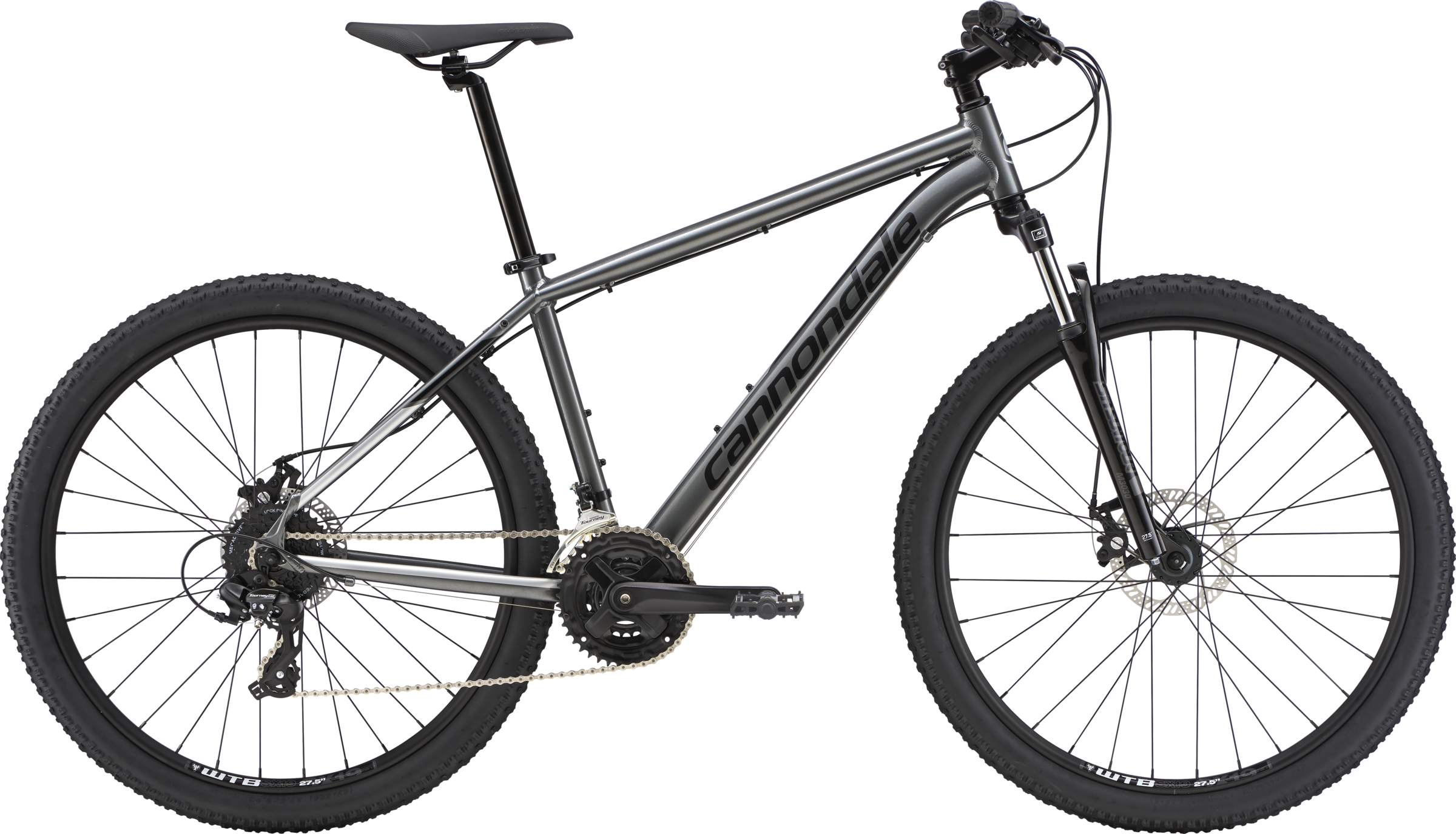
In summary, the Cannondale Catalyst is an excellent choice for anyone starting their mountain biking journey. Its blend of affordability, durability, and upgrade potential makes it a versatile option for trails, commutes, and casual rides. While it may not have the latest tech, its solid foundation allows you to customize as you grow. If you’re ready to embrace the outdoors with a bike that’s fun and forgiving, give the Cannondale Catalyst a try—you won’t regret it.